Blog
SFM Compile: A Complete Beginner-to-Advanced Guide


Source Filmmaker, commonly known as SFM, is a powerful animation tool used by creators to produce cinematic videos using the Source engine. While animating scenes and characters is the creative heart of SFM, the final and most critical step is the SFM compile process. Without compiling, your project remains unfinished and can’t be shared with the world.
This guide explains what SFM compile is, how it works, why it can be slow or problematic, and how to get the best results from your renders.
What Is SFM Compile?
SFM compile refers to the process of rendering your Source Filmmaker project into a final output such as a video file or an image sequence. During this stage, SFM processes every frame of your animation, applying lighting, shadows, motion blur, depth of field, particles, and camera movements.
Once compiled, your animation becomes a standard media file that can be uploaded to YouTube, shared online, or edited further in video-editing software.
How the SFM Compile Process Works
When you start compiling in SFM, the software goes through several steps:
- Scene Preparation – SFM checks all models, textures, lights, and animations.
- Frame-by-Frame Rendering – Each frame is rendered individually based on your settings.
- Encoding – The frames are converted into a video file or saved as images.
- Final Output – The compiled file is stored in your chosen directory.
The quality and duration of an SFM compile depend heavily on your render settings and system performance.
Understanding SFM Compile Settings
Choosing the right compile settings is essential for balancing quality and render time.
Resolution
Most creators use:
- 1920×1080 (1080p) for high-quality videos
- 1280×720 (720p) for faster compiles and testing
Higher resolutions significantly increase render times.
Frame Rate
- 24 FPS – Cinematic look
- 30 FPS – Standard smooth playback
- 60 FPS – Very smooth but demanding
Higher frame rates mean more frames to render, which increases compile duration.
Video vs Image Sequence
Many experienced users prefer compiling as an image sequence (PNG or TGA) rather than a direct video file. This method:
- Prevents losing all progress if SFM crashes
- Provides higher image quality
- Allows better color correction in editing software
Afterward, the image sequence can be converted into a video using external tools.
Why SFM Compile Takes So Long
SFM compiles can be extremely time-consuming, especially for complex scenes. Common reasons include:
- Heavy lighting and shadow calculations
- High-polygon character models
- Motion blur and depth of field effects
- Long animations at high frame rates
Since SFM relies more on the CPU than the GPU, even systems with strong graphics cards may experience slow compile times.
Common SFM Compile Problems
Crashes During Compile
This is one of the most frequent issues. It’s usually caused by memory limits, unstable assets, or very high render settings. Lowering resolution, disabling motion blur, or switching to image sequences often helps.
Missing or Black Frames
Broken models, corrupted particles, or camera issues can cause frames to render incorrectly. Reloading assets or checking the animation set editor can fix the issue.
Audio Sync Issues
Sometimes audio becomes desynced after compiling. Many creators render video without audio and add sound later in a video editor.
Best Practices for a Successful SFM Compile
- Always save before compiling
- Test compile short sections first
- Use image sequences for long projects
- Close unnecessary background programs
- Keep lighting optimized and efficient
- Let long compiles run overnight if needed
These habits reduce crashes and improve final quality.
FAQs About SFM Compile
What does SFM compile mean?
SFM compile means rendering a Source Filmmaker project into a final video or image sequence that can be shared or edited.
What is the best format for SFM compile?
Image sequences (PNG or TGA) are best for quality and stability. AVI is commonly used for direct video exports.
Why does SFM compile crash so often?
Crashes usually occur due to high render settings, memory limitations, complex scenes, or unstable workshop models.
How long does an SFM compile take?
Compile time varies based on resolution, frame rate, effects, and system performance. Even short animations can take hours.
Can I pause or resume an SFM compile?
No, SFM does not support pausing or resuming. Image sequences help minimize progress loss if a crash occurs.
Does GPU matter for SFM compile?
SFM mainly uses the CPU. A faster processor generally improves compile times more than a powerful GPU.
Final Thoughts
The SFM compile process may feel technical and frustrating at first, but it’s the key to turning your creative work into a polished final product. By understanding settings, avoiding common mistakes, and following best practices, you can dramatically improve both quality and stability.


The influence of parents on a child’s life begins long before the child fully understands the world. From the first smile to the first words, children are constantly observing, learning, and absorbing behaviors from both their mother and father. The characteristics of each parent—whether emotional, behavioral, or psychological—play a major role in shaping a child’s personality, habits, and future relationships.
While every family dynamic is different, the combined influence of both parents creates the foundation upon which a child builds their identity. Understanding how these characteristics affect development can help parents become more mindful and intentional in their roles.
The Role of Parental Characteristics
Children are like mirrors. They often reflect what they see at home. If parents display kindness, patience, and respect, children are more likely to adopt those same qualities. On the other hand, if they are exposed to anger, neglect, or inconsistency, those patterns can also be internalized.
Both mothers and fathers bring unique strengths and qualities into parenting. These differences are not about superiority but about balance. Together, they contribute to the emotional and social growth of a child.
Characteristics of Mothers and Their Influence
Mothers are often seen as the emotional backbone of the family. While this is not always the case, many mothers naturally provide nurturing care that helps children feel safe and understood.
One of the most important traits is emotional warmth. A mother who shows love, affection, and empathy helps a child develop a strong sense of security. This emotional safety allows children to express themselves freely without fear of judgment.
Communication is another key characteristic. Mothers who listen actively and encourage open conversation help their children build trust and confidence. These children grow up feeling heard and valued, which positively impacts their relationships later in life.
Patience also plays a major role. Children make mistakes as part of their learning process. A patient mother teaches resilience by allowing room for growth instead of reacting with harsh criticism. This encourages problem-solving skills and independence.
However, balance is important. Overprotectiveness, even when rooted in love, can sometimes limit a child’s ability to explore and make decisions. Children benefit most when mothers provide guidance while still allowing independence.
Characteristics of Fathers and Their Influence
Fathers often contribute in ways that complement maternal traits. Traditionally associated with discipline and structure, fathers help children understand boundaries and responsibility.
Consistency in discipline is one of the most impactful characteristics. When fathers set clear rules and follow through, children learn accountability and respect. This structure provides a sense of stability and helps children understand consequences.
Fathers also tend to encourage independence and risk-taking. Whether it’s trying a new activity or solving a problem alone, this encouragement helps children develop confidence and adaptability. It teaches them that failure is part of growth rather than something to fear.
Another important aspect is role modeling. Children often look to their fathers as examples of behavior. Traits such as honesty, hard work, and emotional control can leave a lasting impression.
In modern parenting, emotional availability from fathers has become increasingly important. Fathers who express affection and engage emotionally help children develop balanced emotional intelligence. This breaks the outdated stereotype that fathers should be distant or overly strict.
The Power of Combined Parenting
While individual characteristics matter, the relationship between both parents has an equally strong influence. Children observe how their parents treat each other—how they communicate, resolve disagreements, and show respect.
A healthy partnership teaches children valuable life skills, such as cooperation, empathy, and conflict resolution. When parents support each other and present a united front, children feel more secure and less confused about expectations.
Balance is key. For example, one parent may be more strict while the other is more lenient. When managed well, this creates a well-rounded environment where children learn both discipline and emotional understanding.
Nature and Nurture Working Together
It is important to remember that children are influenced not only by parenting but also by genetics. Some traits, such as temperament or energy levels, may be inherited. However, how these traits develop largely depends on the environment parents create.
For instance, a naturally shy child can become more confident with encouragement and support. Similarly, a highly energetic child can learn focus and discipline with proper guidance.
This combination of nature and nurture highlights the importance of conscious parenting. Small daily actions—like listening, encouraging, and guiding—have long-term effects.
Changing Roles in Modern Families
Today, parenting roles are more flexible than ever. Mothers and fathers often share responsibilities equally, and traditional labels are becoming less relevant.
What matters most is not who does what, but how both parents contribute to the child’s well-being. Emotional support, discipline, and guidance are responsibilities that can be shared.
Children benefit from having both parents actively involved in their lives. Even in single-parent households, strong support systems—such as relatives, teachers, or mentors—can provide additional positive influence.
Conclusion
The characteristics of mother and father shape a child in powerful and lasting ways. From emotional development to social behavior, every interaction contributes to who the child becomes.
Parents do not need to be perfect. What truly matters is awareness, consistency, and genuine care. By understanding their influence, parents can create a nurturing and balanced environment where children feel safe, confident, and prepared to face the world.
FAQs
1. Do children behave more like their mother or father?
Children can resemble both parents in different ways. Behavior is shaped by both inherited traits and learned experiences.
2. Can one parent make up for the absence of the other?
Yes, a single parent can raise a healthy and successful child, especially with strong emotional support and guidance.
3. What if parents have opposite parenting styles?
Different styles can be beneficial if managed respectfully. Consistency in core values is important.
4. How can parents improve their influence on children?
By being patient, communicative, supportive, and consistent in their actions.
5. Do children copy negative behaviors from parents?
Yes, children can adopt both positive and negative behaviors. This is why mindful parenting is essential.
6. Is emotional support more important than discipline?
Both are equally important. A balance of love and structure helps children develop into well-rounded individuals.

Snow is usually associated with purity, calmness, and bright white landscapes. But in some parts of the world, people have witnessed something deeply unsettling—black snow falling from the sky. Known as “black snowing,” this unusual event is not just visually shocking; it is also a strong indicator of environmental problems that should not be ignored.
What Does Black Snowing Mean?
Black snowing refers to snowfall that appears dark gray or black instead of white. This happens when snowflakes form around polluted particles in the atmosphere. Normally, snow develops from clean water vapor that freezes into ice crystals. However, when the air is heavily polluted with soot, ash, or industrial dust, these particles become part of the snow, changing its color.
The darker the particles in the air, the darker the snow appears when it reaches the ground.
Why Does Black Snow Occur?
Black snow is not a random or mysterious occurrence—it has clear causes, most of which are linked to pollution or natural environmental events.
Industrial Emissions
One of the biggest causes of black snow is industrial pollution. Factories, power plants, and heavy manufacturing units release large amounts of carbon particles into the air. In regions where coal is widely used, these emissions can become extremely dense. When it snows, these particles mix with snowflakes, giving them a dark, dirty look.
Coal Mining and Dust
Areas near coal mines often experience black snow due to airborne coal dust. During mining and transportation, fine particles of coal spread into the atmosphere. When snowfall occurs, these particles are trapped within the snow, turning it black or dark gray.
Wildfires and Smoke
Wildfires release massive clouds of smoke and ash that can travel hundreds of kilometers. These particles remain suspended in the air for days or even weeks. If snow forms during this time, it can carry ash down to the ground, resulting in dark-colored snow.
Volcanic Ash
Although less common, volcanic eruptions can also lead to black snow. Volcanoes release ash high into the atmosphere, and when it mixes with clouds, it can fall as black or gray snow in nearby regions.
Urban Air Pollution
Even in cities without heavy industry, black snow can occur due to traffic pollution, burning waste, and construction dust. While it may not always be completely black, the snow can appear dirty, slushy, or gray due to contaminants.
Environmental Effects of Black Snow
Black snow is more than just a strange sight—it has serious environmental consequences.
One of the biggest concerns is that black snow absorbs more sunlight than clean white snow. White snow reflects sunlight, helping to keep temperatures lower. In contrast, dark snow absorbs heat, causing it to melt faster. This can disrupt local ecosystems, reduce water availability, and contribute to climate change.
Additionally, when black snow melts, it releases pollutants into the soil and water. This can harm plants, animals, and even drinking water sources. Over time, this contamination can build up and affect entire ecosystems.
Health Risks for Humans
Black snow can also pose health risks, especially in areas with severe pollution. The particles that darken the snow often include harmful substances such as soot, heavy metals, and fine dust. When these particles become airborne again or come into contact with humans, they can cause respiratory problems.
Children, the elderly, and people with existing lung conditions are particularly vulnerable. Direct contact with black snow is also not advisable, as it may carry toxic materials.
Real-Life Incidents
There have been several reports of black snow around the world, particularly in industrial and coal-mining regions. In some cases, residents woke up to find their neighborhoods covered in dark snow, raising concerns about air quality and public health.
These incidents often lead to investigations and increased awareness about pollution levels in the affected areas. They also highlight the need for stricter environmental regulations and cleaner industrial practices.
Can Black Snow Be Prevented?
In many cases, yes. While natural causes like wildfires and volcanic eruptions cannot be fully prevented, human-related causes can be controlled.
Reducing industrial emissions is one of the most effective steps. Switching to cleaner energy sources, such as solar or wind power, can significantly lower the amount of soot released into the air. Proper regulation of mining activities and better waste management can also help reduce airborne particles.
Improving air quality standards in cities and encouraging sustainable practices are equally important. Small changes, such as reducing vehicle emissions and avoiding open burning, can make a big difference over time.
Why This Phenomenon Matters
Black snowing is not just a rare curiosity—it is a warning sign. It shows how deeply pollution can affect even the most natural processes, like snowfall. When snow turns black, it reflects the state of the air we breathe and the environment we live in.
Understanding black snow helps us recognize the impact of human activities on the planet. It also reminds us that environmental problems are interconnected. Air pollution does not stay in one place—it eventually returns to the ground, affecting everything from soil to water to human health.
Frequently Asked Questions (FAQs)
1. Is black snow harmful to humans?
Yes, black snow can be harmful because it often contains pollutants like soot and fine particles that can affect breathing and overall health.
2. What causes snow to turn black?
Snow turns black when it mixes with pollutants such as industrial emissions, coal dust, ash from wildfires, or volcanic particles.
3. Can black snow happen anywhere?
It is more common in polluted areas, industrial regions, or places affected by wildfires or volcanic activity, but it can happen anywhere under the right conditions.
4. Is black snow safe to touch?
It is best to avoid touching black snow, as it may contain toxic substances that can irritate the skin or pose health risks.
5. Does black snow affect climate change?
Yes, black snow absorbs more heat than white snow, which can speed up melting and contribute to warming effects.
6. How can we reduce black snowing?
Reducing air pollution, controlling industrial emissions, using clean energy, and improving environmental regulations can help prevent black snow.
Black snowing may be rare, but it carries an important message. It reminds us that environmental protection is not optional—it is essential for a healthier future.
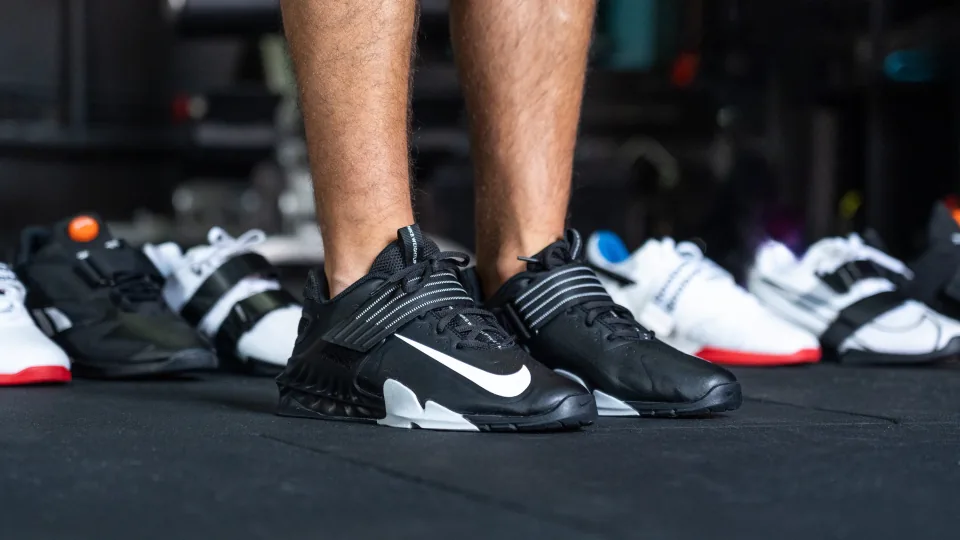
If you’re serious about strength training, your footwear plays a bigger role than you might expect. The best gym shoes for lifting aren’t about style or brand hype—they’re about stability, support, and helping you lift safely and effectively. Whether you’re doing squats, deadlifts, or full-body workouts, the right shoes can improve your form and performance almost instantly.
Many beginners make the mistake of wearing running shoes to the gym. While they’re great for cardio, they can actually work against you when lifting weights. That’s because running shoes are designed for cushioning and forward movement, not for stability under heavy loads. For lifting, you need something firm, grounded, and secure.
Why the Right Shoes Matter
When you lift weights, especially heavy ones, your body relies on a stable base. If your shoes compress or wobble, your balance and form can suffer. This not only reduces your lifting efficiency but also increases your risk of injury.
Good lifting shoes help you:
- Maintain proper posture
- Improve balance and control
- Generate more power from the ground
- Reduce strain on joints and muscles
Think of your shoes as your foundation. A weak foundation leads to weak lifts.
Key Features to Look For
Choosing the best gym shoes for lifting comes down to a few essential features:
1. Firm, Non-Compressible Sole
A hard sole ensures that your foot stays stable during lifts. Unlike soft foam, it doesn’t sink under pressure, allowing better force transfer.
2. Minimal Cushioning
Too much cushioning can make you unstable. Lifting shoes typically have very little padding compared to running shoes.
3. Secure Fit
Your shoes should feel snug. Many lifting shoes include straps or strong lacing systems to keep your foot locked in place.
4. Good Grip
Slipping during a lift can be dangerous. Look for shoes with a strong rubber outsole that grips the floor well.
5. Heel Height (Optional)
Some lifting shoes come with a raised heel. This is especially helpful for squats, as it improves ankle mobility and allows deeper movement.
Types of Gym Shoes for Lifting
Not all lifting shoes are the same. The best choice depends on your workout style and goals.
Weightlifting Shoes
These are designed specifically for heavy lifting and Olympic movements. They feature a raised heel and a very rigid sole. If you struggle with squat depth or ankle flexibility, these can be a game-changer.
Flat Sole Shoes
Flat shoes have no heel elevation and keep you close to the ground. They’re ideal for exercises like deadlifts, where stability and balance are critical.
Cross-Training Shoes
These are versatile and suitable for mixed workouts. If your routine includes both lifting and cardio, cross-training shoes can be a practical option, though they may not be as specialized.
Choosing Based on Your Training
The best gym shoes for lifting depend on what you do most in the gym.
- For squats: Go for shoes with a slight heel to improve depth and posture
- For deadlifts: Choose flat, thin soles for maximum ground contact
- For general workouts: A stable cross-training shoe works well
- For beginners: Start with a balanced option that offers both comfort and support
It’s not uncommon for experienced lifters to own more than one pair of shoes for different exercises.
Common Mistakes to Avoid
Even with so many options available, people often make simple mistakes when choosing lifting shoes.
Using running shoes:
This is the most common error. Their soft cushioning reduces stability and can affect your form.
Ignoring fit:
Shoes that are too loose or too tight can lead to discomfort and poor performance.
Focusing only on looks:
A stylish shoe won’t help if it doesn’t support your lifts properly.
Trying one shoe for everything:
While convenient, one pair may not suit all types of workouts.
Tips Before You Buy
Before you invest in a pair of lifting shoes, keep these tips in mind:
- Try them on and walk around to test comfort
- Simulate a squat or stance to check stability
- Wear your usual gym socks when testing
- Don’t rush—prioritize function over brand
If possible, test different types to see what feels best for your lifting style.
FAQs: Best Gym Shoes for Lifting
1. Can I lift weights barefoot instead of wearing shoes?
Some people prefer lifting barefoot, especially for deadlifts, because it increases ground contact. However, in most gyms, shoes are required for safety and hygiene reasons.
2. Are expensive lifting shoes necessary?
Not necessarily. While high-end shoes offer durability and premium materials, many affordable options provide excellent support and stability for most lifters.
3. How long do lifting shoes last?
With proper use, lifting shoes can last several years. Since they’re not exposed to as much wear as running shoes, they tend to be more durable.
4. Do lifting shoes improve performance?
Yes, they can. By providing better stability and positioning, lifting shoes can help you maintain proper form and lift more efficiently.
5. What type of shoe is best for beginners?
Beginners should look for a stable, comfortable shoe with a firm sole. Cross-training shoes or basic flat lifting shoes are a great starting point.
6. Can I use lifting shoes for running?
No, lifting shoes are not designed for running. Their rigid soles and structure can make running uncomfortable and even unsafe.
7. Should lifting shoes feel tight?
They should feel snug but not painful. Your foot should be secure without any slipping during movement.
8. Do I need different shoes for different exercises?
It depends on your goals. Casual gym-goers can manage with one good pair, but serious lifters often use different shoes for squats, deadlifts, and other movements.
Final Thoughts
Finding the best gym shoes for lifting isn’t about following trends—it’s about understanding your needs. The right pair will give you a solid base, improve your technique, and help you lift with confidence.
Provascin: Uses, Benefits, Ingredients, Side Effects, and Everything

SEO in 2026: Complete Guide to Ranking Websites, Pricing & Real Strategies


