
Travel
City Center Location Map: A Complete Guide to Finding Your Way in

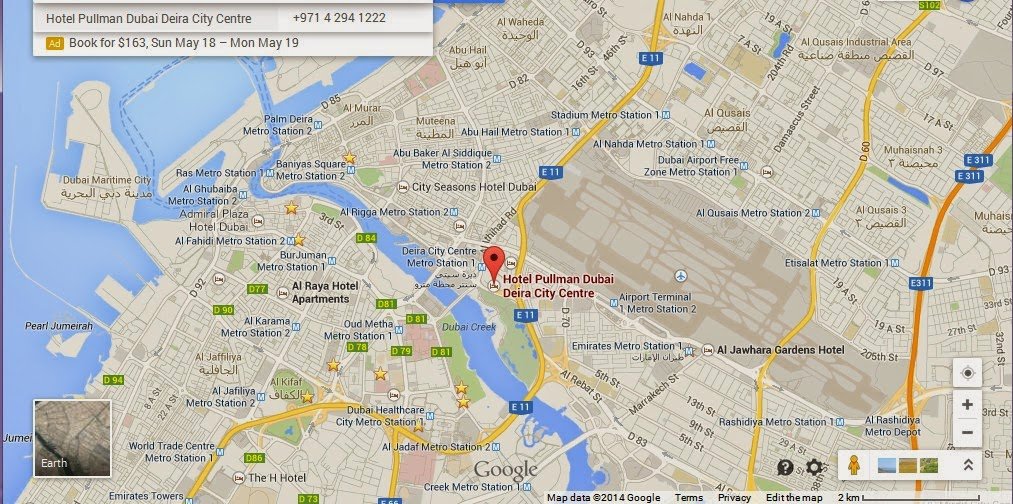
Navigating a city can be exciting, but it can also be confusing—especially when you’re trying to find your way around the busiest part of town. This is where a city center location map becomes an essential tool. Whether you are a tourist, a business professional, a student, or a local resident, having a clear map of the city center helps you move confidently and efficiently.
The city center is often the most active and important area of a city. It usually includes major landmarks, government offices, shopping districts, business hubs, restaurants, hotels, and transportation points. A well-designed city center location map gives you a clear overview of all these elements in one place.
What Is a City Center Location Map?
A city center location map is a visual representation of the central area of a city. It highlights key streets, intersections, landmarks, and services that people commonly need access to. Unlike a full city map, which may cover wide suburban areas, this map focuses specifically on the core zone where most daily activity takes place.
These maps can be found in digital formats, such as mobile apps and websites, or as printed versions in tourist centers, hotels, offices, and public spaces. Both formats serve the same purpose: helping people understand where things are located and how to reach them easily.
Why a City Center Location Map Is Important
The city center can be crowded and fast-paced. Without proper guidance, it’s easy to waste time, miss appointments, or feel overwhelmed. A city center location map offers several practical benefits:
First, it improves navigation. With clear street names and landmarks, you can quickly identify your location and choose the best route to your destination.
Second, it saves time. Instead of guessing directions or repeatedly asking for help, a map allows you to plan ahead and move with confidence.
Third, it enhances accessibility. Many city center maps show public transportation routes, metro stations, bus stops, and parking areas, making it easier to choose the most convenient travel option.
Finally, it supports better decision-making. Whether you’re selecting a hotel, planning a meeting location, or choosing a place to eat, a city center location map helps you see what’s nearby.
Who Uses City Center Location Maps?
City center location maps are useful for a wide range of people. Tourists rely on them to explore attractions, museums, shopping streets, and cultural sites. Business travelers use them to locate offices, conference venues, and hotels close to meeting points.
Real estate buyers and renters often study city center maps to evaluate how close properties are to workspaces, schools, and essential services. Event organizers include location maps to guide attendees smoothly to venues. Even local residents use these maps to discover new places or find faster routes during busy hours.
Key Features of a Good City Center Location Map
A high-quality city center location map should be easy to read and visually clear. Important features include labeled streets, recognizable landmarks, and clear symbols for transportation and services.
Good maps also show nearby facilities such as hospitals, banks, restaurants, shopping areas, and parking zones. Walking distances or estimated travel times are another helpful feature, especially for people exploring the area on foot.
In digital versions, interactive elements like zooming, live navigation, and traffic updates make the map even more effective. However, simplicity is still key—too much information can make a map confusing rather than helpful.
Digital vs Printed City Center Location Maps
Digital maps have become extremely popular due to smartphones and easy internet access. They offer real-time updates, step-by-step navigation, and location sharing. For visitors unfamiliar with the city, digital city center location maps are especially useful.
Printed maps, on the other hand, still have value. They don’t rely on battery life or internet connectivity and are often easier to scan quickly. Hotels, tourism offices, and event venues frequently provide printed city center maps for convenience.
Many people prefer using both—planning routes digitally and keeping a printed map as a backup.
How to Use a City Center Location Map Effectively
To get the most out of a city center location map, start by identifying your current position. Mark your key destinations and check the distance between them. Look for nearby transport options and note any major landmarks along the way.
If you’re visiting multiple places, planning your route in advance can help reduce travel time and avoid unnecessary backtracking. This approach makes your time in the city center more organized and enjoyable.
FAQs About City Center Location Maps
What is a city center location map used for?
It is used to help people navigate the central area of a city by showing important locations, roads, and services.
Are city center location maps helpful for tourists?
Yes, they are especially useful for tourists looking to explore attractions, hotels, shopping areas, and public transport options.
Can businesses use city center location maps?
Yes, businesses often use them to show their accessibility and proximity to major landmarks or transport hubs.
Where can I find a city center location map?
They are available online through map services, city websites, and travel platforms, as well as in printed form at hotels and tourist centers.
Do city center location maps show public transport?
Most good maps include metro lines, bus routes, stations, and nearby parking areas.
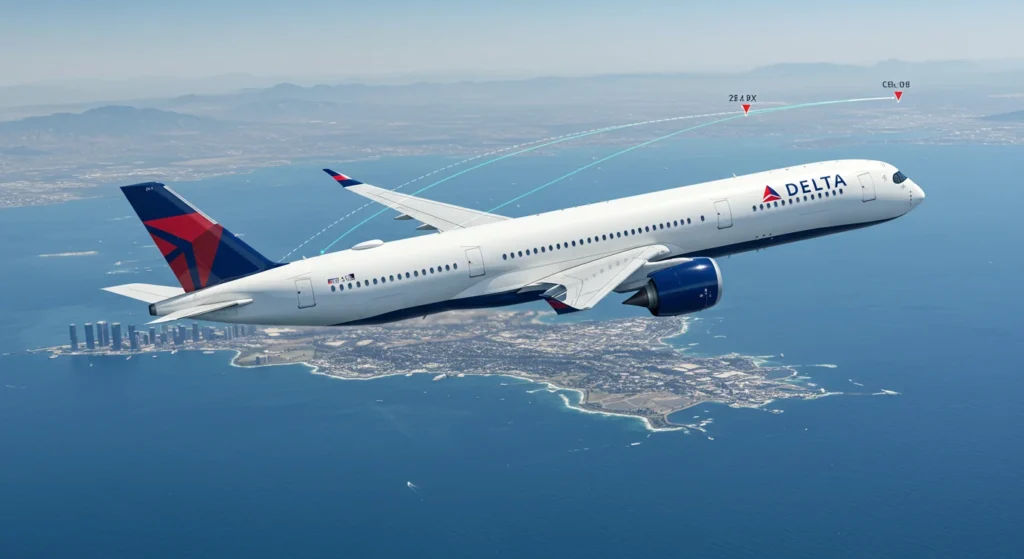
When news spreads about Delta Flight DL275 diverted LAX, it often leads to confusion among travelers and those tracking flights in real time. A diversion can sound alarming, especially when a long-haul or important route is involved. However, in aviation, diversions are a carefully planned safety response rather than a sign of danger.
This article explains what a diversion means, explores possible reasons behind the Delta DL275 diversion to Los Angeles International Airport (LAX), and outlines what typically happens to passengers afterward. It also answers common questions in simple, practical language.
What Does It Mean When a Flight Is Diverted?
A flight diversion happens when an aircraft does not land at its scheduled destination and instead is redirected to another airport during the journey. In the case of Delta Flight DL275 diverted LAX, the aircraft made an unscheduled landing at Los Angeles International Airport instead of continuing to its original destination.
Diversions are not rare in commercial aviation. They are part of standard safety procedures and are carried out only when necessary. Pilots, along with airline operations teams and air traffic control, decide on diversions based on real-time conditions.
Why Was Delta Flight DL275 Diverted to LAX?
While airlines do not always immediately release detailed explanations for every diversion, there are several common reasons why a flight like DL275 may be rerouted to LAX.
1. Medical Emergency on Board
One of the most common reasons for diversion is a medical issue involving a passenger or crew member. If someone becomes seriously ill, the flight crew may choose to land at the nearest major airport. LAX is a logical choice due to its advanced medical facilities and emergency response capabilities.
2. Technical or Mechanical Concerns
Modern aircraft are built with multiple safety systems, and even minor irregularities can trigger precautionary action. If pilots detect a potential mechanical issue, they may decide to divert the aircraft to ensure safety checks can be performed on the ground.
3. Weather Conditions
Weather plays a major role in aviation safety. Storms, strong winds, turbulence, or low visibility at the destination airport can force a diversion. Sometimes, even weather conditions along the flight path can influence the decision.
4. Air Traffic and Operational Constraints
Busy airspace or airport congestion can also lead to diversions. LAX, being one of the largest airports in the United States, often serves as a safe alternative when rerouting is necessary.
5. Security or Unusual Situations
Although rare, any onboard security concern can result in an immediate diversion. These situations are handled with strict protocols and coordination with authorities.
Why LAX Was Likely Chosen
Los Angeles International Airport (LAX) is one of the busiest and most well-equipped airports in the world. It is often used as a diversion airport because:
- It has multiple long runways suitable for large aircraft
- It is staffed for emergency handling
- It offers extensive maintenance facilities
- It has strong airline support infrastructure
For a flight like Delta Flight DL275 diverted LAX, choosing LAX ensures quick response time and efficient handling of passengers and aircraft needs.
What Happens After a Flight Is Diverted?
Once the aircraft lands at the diversion airport, several processes begin immediately.
Passenger Handling
Passengers are informed about the situation and guided by airline staff. Depending on the reason for the diversion, they may need to wait onboard or disembark at the terminal.
Rebooking and Travel Arrangements
If the diversion affects the journey significantly, Delta typically arranges alternative flights to help passengers reach their final destination. This may involve rebooking on the next available flight or rerouting through another city.
Assistance Services
In cases of long delays, airlines often provide meal vouchers, hotel accommodations, and transportation support.
Aircraft Inspection
If the diversion was due to a technical issue, maintenance teams will inspect the aircraft before it is cleared for further flights.
Is a Flight Diversion Dangerous?
Despite how it may feel to passengers, a diversion like Delta Flight DL275 diverted LAX is not usually dangerous. In fact, it is a strong indicator that safety systems are working correctly.
Pilots are trained to make precautionary decisions well before a situation becomes critical. Aviation is built on the principle of risk prevention, and diversions are one of the tools used to maintain that safety.
Passenger Experience During a Diversion
For travelers, a diversion can be inconvenient and stressful. Common experiences include:
- Sudden announcements from the cockpit or cabin crew
- Unplanned landing at a different airport
- Waiting periods while decisions are made
- Delays in reaching the final destination
However, airline crews are trained to manage these situations calmly and keep passengers informed. Communication is a key part of reducing uncertainty during events like the DL275 diversion.
How Often Do Diversions Like This Happen?
Flight diversions occur more frequently than most passengers realize. With thousands of flights operating daily worldwide, a small percentage are diverted due to operational needs.
Major airports like LAX often handle multiple diversions per week because of their size and capacity. This makes them reliable fallback options for airlines operating across long distances.
FAQs: Delta Flight DL275 Diverted LAX
1. Why did Delta Flight DL275 divert to LAX?
The diversion could be due to medical, technical, weather, or operational reasons. The exact cause is usually confirmed later by the airline.
2. Is it normal for flights like DL275 to divert?
Yes. Diversions are a standard part of aviation safety procedures and are not considered unusual.
3. Should passengers be worried about safety during a diversion?
No. A diversion is a precautionary measure and generally indicates that the airline is prioritizing safety.
4. What happens to passengers after landing at LAX?
Passengers are assisted by Delta staff, rebooked on alternate flights, and may receive accommodations if delays are long.
5. Do passengers get compensation for a diversion?
It depends on the cause of the diversion and airline policy. In many cases, passengers receive rebooking and care services rather than direct compensation.
6. Why is LAX commonly used for diversions?
LAX is a major international hub with strong infrastructure, making it ideal for handling unexpected landings.
Final Thoughts
The incident involving Delta Flight DL275 diverted LAX is a reminder of how complex and safety-focused modern aviation is. While diversions may disrupt travel plans, they are rarely signs of danger. Instead, they reflect quick decision-making designed to protect passengers, crew, and aircraft.
Understanding how and why diversions happen can help travelers feel more informed and less anxious when unexpected changes occur during a flight.

Air travel is generally smooth and predictable, but there are moments when plans change unexpectedly. One such case that recently drew attention is the United Flight UA967 diverted incident. For passengers, families, and frequent travelers, situations like this naturally raise questions: What caused the diversion? Was anyone in danger? And how do airlines handle such events?
This article breaks down the situation in a clear, human way—focusing not just on what likely happened, but also on what it means for travelers.
Understanding the UA967 Diversion
United Flight UA967 was operating on its scheduled route when it had to divert to an alternate airport before reaching its final destination. While official details may differ depending on reports and timing, it’s important to understand that diversions are not unusual in aviation.
In fact, pilots are trained to make these decisions quickly and cautiously. A diversion doesn’t mean something catastrophic has occurred—it usually means the crew identified a situation where continuing to the original destination was not the safest or most practical option.
Passengers onboard may have experienced confusion or concern, especially if the announcement came mid-flight. However, from an aviation standpoint, a diversion is often a sign that safety systems and decision-making processes are working exactly as they should.
Common Reasons Behind Flight Diversions
There isn’t just one reason a flight like UA967 would be diverted. Several factors could lead to such a decision, and often it’s a combination of circumstances.
One of the most common causes is a medical emergency. If a passenger becomes seriously ill or a crew member requires urgent care, the aircraft may land at the nearest suitable airport. Time is critical in such situations, and diverting can save lives.
Another possibility is a technical issue. Modern aircraft are equipped with advanced monitoring systems. Even a minor irregularity—something passengers might not notice—can prompt a diversion. Airlines prefer to err on the side of caution rather than risk continuing a long journey with a potential issue.
Weather conditions also play a major role. Sudden storms, heavy fog, or strong crosswinds at the destination airport can make landing unsafe. Instead of circling endlessly or taking unnecessary risks, pilots may choose a safer alternate airport.
Less commonly, security concerns or operational issues—such as runway closures or airport congestion—can also lead to diversions.
What Passengers Experience During a Diversion
For those onboard, a diversion can feel unsettling, especially if details are limited at first. Typically, the cabin crew will make an announcement explaining that the flight is being rerouted and provide basic information.
Passengers might notice changes such as the plane descending earlier than expected or landing at an unfamiliar airport. Once on the ground, the situation becomes clearer.
Depending on the reason for the diversion, passengers may remain seated for a period while authorities or ground staff handle the issue. In other cases, they may be allowed to disembark and wait inside the terminal.
Airlines then work to resolve the situation. This could involve refueling the aircraft, conducting technical inspections, arranging medical care, or preparing a new flight plan.
How Airlines Handle the Aftermath
After a diversion, airlines like United focus on getting passengers to their final destination as smoothly as possible. If the issue is resolved quickly, the same aircraft may continue the journey.
However, if delays are longer or the aircraft is grounded, passengers are typically rebooked on alternative flights. In some cases, especially when overnight stays are required, airlines provide hotel accommodations and meals.
Customer service teams are usually deployed to assist travelers with connections, baggage concerns, and updated itineraries. While the experience can be frustrating, airlines aim to minimize disruption.
Passenger Rights and Expectations
One of the biggest concerns travelers have is whether they are entitled to compensation. The answer depends largely on the cause of the diversion.
If the diversion was due to factors outside the airline’s control—such as weather or medical emergencies—compensation may not be offered. However, airlines generally still provide care, such as food, accommodation, and rebooking.
If the issue was within the airline’s control, policies may allow for additional compensation, though this varies by region and airline rules.
Regardless of compensation, passengers always have the right to clear communication and reasonable assistance during disruptions.
Staying Calm and Prepared
Flight diversions are unpredictable, but there are ways to handle them better as a traveler. Keeping essentials like medications, chargers, and documents in your carry-on can make a big difference.
It’s also helpful to stay updated through airline apps or notifications. These often provide real-time information faster than airport announcements.
Most importantly, staying calm helps. Diversions can be stressful, but they are handled by trained professionals whose priority is safety.
Final Thoughts
The United Flight UA967 diverted situation is a reminder that while air travel is highly reliable, flexibility is sometimes necessary. Behind every diversion is a decision made with passenger safety in mind.
Although such events can disrupt plans and cause inconvenience, they are part of a system designed to prevent larger risks. For travelers, understanding this can turn a moment of uncertainty into one of reassurance.
FAQs
1. What does it mean when a flight is diverted?
A diversion occurs when a flight lands at an airport different from its original destination due to safety or operational reasons.
2. Why was United Flight UA967 diverted?
The exact reason may vary, but common causes include medical emergencies, technical issues, or weather conditions.
3. Are flight diversions common?
They are relatively rare but not unusual. Airlines and pilots are well-prepared to handle them.
4. Is a diverted flight unsafe?
No. Diversions are made to improve safety, not because of immediate danger.
5. Do passengers get compensation after a diversion?
It depends on the reason. Airlines usually provide assistance, but compensation policies vary.
6. How long do diversions delay travel?
Delays can range from a short stop to several hours or even overnight, depending on the situation.
7. What should I do if my flight is diverted?
Follow crew instructions, stay informed, and contact airline staff for assistance with rebooking or accommodations.

Taking the train San Sebastian to Barcelona is one of the most comfortable and scenic ways to travel across northern Spain. Instead of dealing with airport queues and baggage restrictions, the train offers a relaxed journey with beautiful landscapes and direct access to the heart of both cities.
Whether you’re planning a summer holiday, a cultural trip, or a business visit, here’s everything you need to know before booking your ticket.
Why Travel by Train from San Sebastian to Barcelona?
The journey connects San Sebastián, a charming coastal city in Spain’s Basque Country, with Barcelona, the vibrant Mediterranean capital of Catalonia.
Traveling by train offers several advantages:
- No long airport check-in times
- Generous luggage allowance
- Comfortable seats with legroom
- City-center to city-center convenience
- Scenic countryside views
For many travelers, the train feels less stressful and more enjoyable than flying.
Train Duration and Distance
The distance between San Sebastian and Barcelona is approximately 570 kilometers. The average train journey takes between 5.5 and 7 hours, depending on the type of service and whether it’s direct or includes a transfer.
Some trains run directly, while others require a change in cities like Zaragoza or Madrid. Even with one transfer, the journey is usually smooth and well-coordinated.
Train Operators and Services
The main railway company operating this route is Renfe, Spain’s national rail provider.
You’ll typically travel on one of the following services:
Alvia Trains
Alvia trains combine high-speed and conventional tracks. They are modern, air-conditioned, and designed for medium to long distances. Most direct connections between San Sebastian and Barcelona are Alvia services.
Intercity Trains
These can be slightly slower but are often more affordable. They still provide comfortable seating and onboard facilities.
While Spain is known for its AVE high-speed trains, there is currently no fully dedicated AVE-only direct route between these two cities. However, parts of the journey use high-speed lines.
Ticket Prices and Booking Tips
Ticket prices for the train San Sebastian to Barcelona vary depending on demand and how early you book.
Typical price ranges:
- €25–€45 if booked in advance
- €50–€90 for last-minute tickets
- First-class tickets cost more but include extra comfort
To get the best fares:
- Book at least 2–4 weeks in advance.
- Travel mid-week if possible.
- Avoid peak summer dates if you’re flexible.
- Check for promotional fares on Renfe’s website.
Early booking can save you a significant amount.
Departure and Arrival Stations
In San Sebastian, trains depart from Donostia-San Sebastián station, located close to the city center.
In Barcelona, trains arrive at Barcelona Sants Station, the city’s main railway hub. From there, you can easily connect to:
- Metro lines
- Local buses
- Taxis
- Regional trains
Barcelona Sants is well connected to major attractions such as La Rambla, Sagrada Família, and the Gothic Quarter.
What to Expect Onboard
The train experience is designed for comfort, especially on long routes.
On most services, you’ll find:
- Reclining seats
- Air conditioning
- Power outlets
- Overhead luggage storage
- Onboard café or food service
There are no strict baggage weight limits like airlines impose. You simply bring what you can comfortably carry.
Many travelers appreciate the ability to move around during the journey, stretch their legs, or visit the café car.
Scenic Highlights Along the Route
One of the biggest advantages of taking the train San Sebastian to Barcelona is the scenery.
The journey takes you through:
- The lush green landscapes of the Basque Country
- Vineyards and rolling hills near La Rioja
- Open plains of Aragón
- Mediterranean terrain as you approach Barcelona
Instead of clouds and airplane wings, you’ll enjoy ever-changing Spanish countryside views.
Train vs Plane: Which Is Better?
A flight between San Sebastian and Barcelona takes around one hour in the air. However, when you factor in:
- Travel to the airport
- Check-in time
- Security screening
- Boarding procedures
- Waiting for luggage
The total travel time can easily match or exceed that of the train.
The train offers a direct city-center arrival, fewer formalities, and a more relaxed travel experience. For many passengers, especially those who value comfort, the train is the preferred option.
Best Time to Travel
Trains run throughout the year, but demand varies.
- Summer (June–September): High demand, book early
- Spring and Autumn: Ideal weather and moderate crowds
- Winter: Often cheaper tickets and fewer tourists
Morning departures are popular if you want to reach Barcelona by early afternoon.
Frequently Asked Questions (FAQs)
Is there a direct train from San Sebastian to Barcelona?
Yes, direct trains are available daily, though the number may vary depending on the season.
How long does the train take?
The journey usually takes between 5.5 and 7 hours, depending on the service selected.
How much does a ticket cost?
Prices typically range from €25 for advance bookings to €90 for flexible or last-minute fares.
Which station does the train arrive at in Barcelona?
Trains arrive at Barcelona Sants, the city’s main railway station.
Is the train comfortable for long-distance travel?
Yes, seats are spacious, and most trains provide air conditioning and power outlets.
Can I bring large luggage?
Yes, trains offer generous luggage allowances without strict weight restrictions.
Should I book in advance?
Absolutely. Booking early gives you access to the lowest fares and better seat selection.
Final Thoughts
Choosing the train San Sebastian to Barcelona is a smart, comfortable, and scenic way to travel across Spain. With competitive pricing, generous luggage policies, and relaxing countryside views, the train offers an enjoyable alternative to flying.
Provascin: Uses, Benefits, Ingredients, Side Effects, and Everything

SEO in 2026: Complete Guide to Ranking Websites, Pricing & Real Strategies


