
Health
Healthy Life with WellHealthOrganic: Your Complete Guide

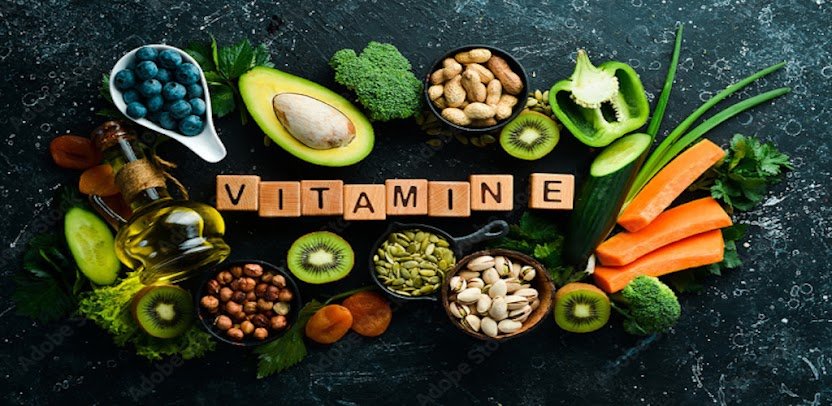
Maintaining a healthy life in today’s fast-paced world can feel like an uphill battle. Between demanding work schedules, processed foods, and constant stress, taking care of your body and mind often falls to the bottom of the priority list. Fortunately, there’s a way to simplify wellness while staying natural and sustainable: WellHealthOrganic.
WellHealthOrganic is a wellness brand dedicated to supporting a holistic lifestyle. Their focus on organic, natural products helps people embrace health in a way that is safe, effective, and environmentally conscious. From organic supplements to plant-based nutrition, WellHealthOrganic empowers individuals to prioritize their well-being without relying on harmful chemicals or artificial additives.
What Makes WellHealthOrganic Different?
The key difference lies in the approach. Unlike conventional health products that may include synthetic ingredients, WellHealthOrganic products are:
- 100% Organic – Made from naturally grown plants and herbs.
- Chemical-Free – Free from pesticides, preservatives, and artificial additives.
- Scientifically Backed – Formulated based on research and wellness principles.
- Sustainable – Produced with eco-friendly practices that minimize environmental impact.
This combination ensures that users can enhance their health while also supporting a sustainable lifestyle—a win-win for both personal wellness and the planet.
Benefits of a Healthy Life with WellHealthOrganic
Adopting a wellness routine supported by WellHealthOrganic offers numerous advantages:
- Enhanced Immunity – Organic vitamins, minerals, and herbal supplements help strengthen your body’s defenses naturally.
- Improved Digestion – Plant-based nutrition and probiotics support gut health and help your body absorb essential nutrients efficiently.
- Sustained Energy – Organic ingredients provide steady energy throughout the day, avoiding the crashes often caused by synthetic stimulants.
- Mental Clarity and Emotional Balance – Adaptogenic herbs and natural nootropics help reduce stress, enhance focus, and support emotional well-being.
- Detoxification – Organic detox blends help eliminate harmful toxins, supporting clearer skin, better metabolism, and overall vitality.
- Eco-Friendly Living – Choosing organic products contributes to environmentally responsible practices.
How to Integrate WellHealthOrganic into Your Daily Routine
Making WellHealthOrganic part of your life doesn’t require drastic changes. Simple habits can go a long way in promoting health:
- Start Your Day Right – Begin with a nutrient-rich breakfast incorporating organic supplements or powders.
- Choose Healthy Snacks – Replace processed snacks with organic nuts, seeds, or fruits.
- Stay Hydrated – Drinking water consistently supports metabolism, detoxification, and energy levels.
- Exercise Regularly – Physical activity, from walking to yoga or strength training, enhances overall wellness.
- Practice Mindfulness – Meditation, deep breathing, or journaling can reduce stress and improve mental clarity.
- Consistency is Key – Small, daily efforts compound over time, yielding significant long-term health benefits.
Why Organic Matters for a Healthy Life
Opting for organic products is not just a trend—it’s a health-conscious choice. Organic ingredients are grown without harmful chemicals, ensuring a cleaner, more nutrient-rich product. They often contain higher levels of antioxidants, vitamins, and minerals, which help fight inflammation and support immunity. Additionally, organic farming practices reduce environmental pollution and promote biodiversity. When you choose WellHealthOrganic, you’re investing in both your health and the planet’s well-being.
Tips for Maintaining a Healthy Lifestyle
Even with high-quality products, lifestyle habits play a crucial role in overall wellness:
- Eat Whole Foods – Prioritize vegetables, fruits, whole grains, and healthy fats.
- Limit Processed Foods – Reduce consumption of refined sugars, artificial additives, and fried foods.
- Get Enough Sleep – Aim for 7–9 hours of quality sleep each night to allow the body to repair and rejuvenate.
- Manage Stress – Incorporate activities that relax your mind, such as yoga, meditation, or hobbies.
- Listen to Your Body – Pay attention to hunger, energy levels, and mental clarity to guide your choices.
Frequently Asked Questions (FAQs)
1. Are WellHealthOrganic products safe for everyone?
Yes, they are generally safe for adults. However, if you are pregnant, nursing, or have chronic health conditions, consult a healthcare professional before starting any new supplement.
2. How soon can I expect results?
Results vary depending on individual lifestyle, diet, and health conditions. Some users notice improvements in energy and digestion within weeks, while long-term benefits like enhanced immunity and detoxification may take a few months.
3. Can I combine WellHealthOrganic products with prescription medications?
Most supplements can be safely combined, but it’s always best to check with your doctor to avoid potential interactions.
4. Are these products eco-friendly?
Yes, WellHealthOrganic prioritizes sustainable farming, cruelty-free practices, and environmentally responsible packaging.
5. Can these products replace a healthy diet?
No. WellHealthOrganic products are meant to supplement a healthy diet, not replace it. Whole foods, physical activity, and sleep are essential for optimal health.
6. Where can I buy WellHealthOrganic products?
Products are available online through the official WellHealthOrganic website and select authorized retailers. Buying directly ensures authenticity and access to the latest products.
Conclusion
Living a healthy life isn’t just about avoiding illness—it’s about thriving physically, mentally, and emotionally. With WellHealthOrganic, achieving holistic wellness becomes accessible and sustainable. By combining organic nutrition, mindful habits, and consistent self-care, you can create a lifestyle that supports your body, mind, and the environment.
Investing in your health today is the best way to enjoy a vibrant tomorrow. WellHealthOrganic provides the tools, knowledge, and support to make that journey enjoyable, natural, and effective. Embrace a healthier life, feel more energized, and take pride in living in harmony with your body and the planet.
In today’s fast-paced world, many people look for supplements that support healthy blood circulation and overall cardiovascular wellness. One product that has gained attention is Provascin. While it is often marketed as a circulation-support supplement, many people still have questions about what it does, how it works, and whether it is safe.
This guide explains everything you need to know about Provascin in simple language. Whether you’re researching it for yourself or someone else, this article will help you make an informed decision.
What Is Provascin?
Provascin is a dietary supplement designed to support healthy blood circulation and cardiovascular function. It is commonly promoted as a formula containing natural ingredients that may help improve blood flow, maintain healthy blood vessels, and support heart health.
Unlike prescription medications, Provascin is generally sold as a nutritional supplement. This means it is intended to complement a healthy lifestyle rather than replace medical treatment.
How Does Provascin Work?
Healthy blood circulation is essential because it delivers oxygen and nutrients throughout the body. Poor circulation may lead to fatigue, cold hands and feet, muscle discomfort, and reduced physical performance.
Provascin works by providing ingredients that may:
- Support healthy blood vessel function
- Encourage proper blood flow
- Help maintain normal circulation
- Support cardiovascular wellness
- Promote overall energy levels
The exact results vary depending on a person’s health, lifestyle, and consistency of use.
Potential Benefits of Provascin
Many users choose Provascin because of its potential health benefits.
1. Supports Healthy Blood Circulation
One of the main purposes of Provascin is to encourage proper blood flow throughout the body.
2. Promotes Heart Health
Some ingredients commonly found in circulation supplements are known for supporting overall cardiovascular wellness.
3. May Increase Energy
Better circulation can help transport oxygen more efficiently, which may contribute to improved daily energy.
4. Supports Healthy Blood Vessels
Healthy arteries and veins are essential for maintaining proper circulation.
5. Encourages Overall Wellness
Many circulation supplements include antioxidants that help protect cells from oxidative stress.
Common Ingredients Found in Provascin
Although formulations may vary depending on the manufacturer, Provascin may contain ingredients commonly used in cardiovascular supplements, such as:
- L-Arginine
- Beetroot extract
- Hawthorn extract
- Garlic extract
- Vitamins and minerals
- Natural antioxidants
Always check the product label because ingredient lists can change over time.
Who May Consider Using Provascin?
Provascin may be suitable for adults who want additional support for:
- Healthy circulation
- Cardiovascular wellness
- Daily energy
- Active lifestyles
- General heart health
However, it should not be viewed as a replacement for professional medical advice or prescribed medication.
How to Take Provascin
For the best results:
- Follow the dosage instructions on the product label.
- Take it consistently.
- Drink plenty of water.
- Eat a balanced diet.
- Stay physically active.
Never exceed the recommended daily dose unless advised by a healthcare professional.
Possible Side Effects
Most healthy adults tolerate dietary supplements well when used correctly. However, some individuals may experience mild side effects such as:
- Upset stomach
- Headache
- Mild digestive discomfort
- Allergic reactions to certain ingredients
If you experience severe reactions, stop using the supplement and contact a healthcare provider immediately.
Who Should Avoid Provascin?
Consult your healthcare provider before using Provascin if you:
- Are pregnant or breastfeeding
- Have heart disease
- Take blood-thinning medication
- Have low blood pressure
- Have serious medical conditions
- Are scheduled for surgery
Medical advice is always recommended before starting any supplement.
Tips for Better Circulation
Provascin may work best when combined with healthy habits.
Exercise Regularly
Walking, cycling, and swimming help improve circulation naturally.
Eat Heart-Healthy Foods
Include fruits, vegetables, whole grains, nuts, and healthy fats in your diet.
Stay Hydrated
Water supports healthy blood flow throughout the body.
Avoid Smoking
Smoking damages blood vessels and reduces circulation.
Maintain a Healthy Weight
Excess weight places additional strain on the heart and circulatory system.
Is Provascin Safe?
For most healthy adults, Provascin is generally considered safe when taken according to the manufacturer’s instructions. However, dietary supplements affect individuals differently.
Always read the ingredient list carefully and consult your healthcare provider if you have any medical conditions or take prescription medications.
Does Provascin Really Work?
The effectiveness of Provascin depends on several factors, including:
- Individual health condition
- Lifestyle habits
- Diet
- Exercise
- Consistency of use
While some users report positive experiences, results are not guaranteed. Supplements should be viewed as part of a broader healthy lifestyle rather than a quick solution.
Conclusion
Provascin is a dietary supplement marketed to support healthy blood circulation and cardiovascular wellness. It may provide benefits such as improved circulation, better energy, and support for blood vessel health when combined with a healthy diet and regular exercise.
However, it is important to remember that supplements are not a substitute for professional medical care. If you have existing health conditions or take medications, speak with your healthcare provider before using Provascin.
Making informed decisions and maintaining healthy daily habits remain the best ways to support long-term heart and circulatory health.
Frequently Asked Questions (FAQs)
1. What is Provascin used for?
Provascin is commonly used to support healthy blood circulation and cardiovascular wellness.
2. Is Provascin a medicine?
No. Provascin is generally marketed as a dietary supplement rather than a prescription medication.
3. Can Provascin improve blood circulation?
It is designed to support healthy circulation, but individual results may vary.
4. Are there any side effects?
Some people may experience mild digestive discomfort, headaches, or allergic reactions depending on the ingredients.
5. Who should not take Provascin?
Pregnant women, breastfeeding mothers, people taking blood thinners, and individuals with serious medical conditions should consult a healthcare provider before use.
6. How long does it take for Provascin to work?
Results vary from person to person. Some users notice changes within a few weeks, while others may take longer.
7. Can Provascin replace heart medication?
No. It should never replace prescribed medications unless advised by a qualified healthcare professional.
8. Is Provascin suitable for daily use?
If used according to the manufacturer’s instructions and approved by your healthcare provider, it is generally intended for daily use.
If you’d like, I can also create a 2,000-word SEO version with a table of contents, schema-style FAQs, and stronger keyword optimization.

Pravi celer, often translated as “real celery,” refers to fresh, natural celery in its purest form. Known for its crisp texture and refreshing taste, celery has been used for centuries in both cooking and natural medicine. Today, it is widely recognized as a nutrient-rich vegetable that supports overall health and wellness.
In this article, we’ll explore everything you need to know about pravi celer, including its nutritional value, health benefits, uses, and frequently asked questions.
What Is Pravi Celer?
Pravi celer is simply unprocessed celery that includes its stalks, leaves, and sometimes even the root. Unlike canned or artificially flavored celery products, pravi celer is consumed fresh and retains all its natural nutrients.
Celery is a member of the Apiaceae family, which also includes parsley, carrots, and fennel. It is widely used in cuisines around the world due to its mild flavor and versatility.
Nutritional Profile of Pravi Celer
One of the reasons pravi celer is so popular in healthy diets is its impressive nutritional composition despite being very low in calories.
A typical serving of celery contains:
- Calories: Very low (around 14 per 100g)
- Water content: Approximately 95%
- Fiber: Supports digestion
- Vitamin K: Essential for bone health
- Vitamin C: Boosts immunity
- Vitamin A: Good for vision and skin
- Potassium: Supports heart health
- Folate: Important for cell function
In addition, celery is rich in antioxidants such as flavonoids and polyphenols, which help protect the body from oxidative stress.
Health Benefits of Pravi Celer
1. Improves Digestive Health
Pravi celer is a good source of dietary fiber, which promotes healthy digestion and prevents constipation. It also contains natural compounds that may support the gut lining and reduce inflammation in the digestive tract.
2. Keeps the Body Hydrated
Due to its high water content, celery helps maintain hydration levels in the body. This is especially beneficial in warm climates or after physical activity.
3. Supports Heart Health
Celery contains compounds like phthalides that may help relax blood vessels, improving blood flow and lowering blood pressure. Its potassium content also contributes to maintaining a healthy cardiovascular system.
4. Rich in Antioxidants
The antioxidants found in pravi celer help combat free radicals, reducing the risk of chronic diseases such as heart disease and certain types of cancer.
5. Aids in Weight Loss
Low in calories and high in fiber, celery is an excellent snack for those trying to lose weight. It helps you feel full longer without adding excessive calories to your diet.
6. May Help Reduce Inflammation
Chronic inflammation is linked to many health conditions. Celery contains anti-inflammatory compounds that may help reduce inflammation naturally.
7. Supports Detoxification
Celery is often used in detox diets because it may help flush toxins from the body and support liver function. While the body naturally detoxifies itself, celery can support this process.
How to Use Pravi Celer
Pravi celer is incredibly versatile and can be incorporated into your diet in many ways:
Raw Consumption
Celery can be eaten raw as a crunchy snack. Pair it with hummus, peanut butter, or yogurt dips for added flavor.
Juicing
Celery juice has become very popular as a morning health drink. Drinking it on an empty stomach is believed to support digestion and hydration.
Cooking
Celery is commonly used as a base ingredient in soups, stews, and sauces. It adds depth of flavor and nutrition.
Smoothies
You can blend celery with fruits like apples, bananas, or oranges for a refreshing and nutritious smoothie.
Salads
Chopped celery adds a crisp texture to salads and pairs well with other vegetables.
Using Celery Leaves
Don’t discard the leaves—they are rich in nutrients and can be used as herbs in cooking or garnishing.
Tips for Buying and Storing Celery
To get the most benefits from pravi celer, it’s important to choose and store it properly:
- Select firm, tightly packed stalks with a bright green color
- Avoid celery that looks wilted or has brown spots
- Store in the refrigerator to keep it fresh
- Wrap it in aluminum foil or plastic to retain moisture
- Wash thoroughly before use
Proper storage can keep celery fresh for up to two weeks.
FAQs About Pravi Celer
1. What does “pravi celer” mean?
It means “real celery” and refers to fresh, natural celery that hasn’t been processed.
2. Is celery juice really healthy?
Celery juice is hydrating and contains beneficial nutrients. While it’s healthy, it should be part of a balanced diet rather than a miracle solution.
3. Can I eat celery every day?
Yes, celery is safe for daily consumption for most people. However, moderation is important, as excessive intake may cause digestive discomfort in some individuals.
4. Is celery good for skin health?
Yes, the antioxidants and vitamins in celery may support healthy, glowing skin.
5. Does celery help with bloating?
Celery may help reduce bloating due to its water content and digestive benefits.
6. Are there any side effects of celery?
Celery is generally safe, but some people may experience allergic reactions. Also, excessive consumption may lead to digestive issues.
7. Which is better: celery stalks or juice?
Both are beneficial. Eating whole celery provides fiber, while juice offers quick hydration and nutrient absorption.
8. Can celery help lower blood pressure?
Yes, celery contains natural compounds that may support lower blood pressure levels when combined with a healthy lifestyle.
Conclusion
Pravi celer is a simple yet powerful vegetable that deserves a place in your daily diet. Packed with essential nutrients, antioxidants, and hydration benefits, it supports digestion, heart health, and overall well-being. Its versatility makes it easy to include in meals, whether raw, cooked, or juiced.
By incorporating pravi celer into your routine, you can take a natural step toward a healthier and more balanced lifestyle.

When people ask what is trump’s life expectancy, they are usually trying to understand how long a public figure like Donald Trump might live based on age, lifestyle, and health factors. While no one can predict an exact lifespan, we can analyze key elements like genetics, medical history, and general life expectancy trends to get a realistic idea.
In this article, we’ll break down everything in simple terms—without speculation or misinformation—so you can clearly understand how life expectancy works and how it may apply to Trump.
What Is Trump’s Life Expectancy?
The question what is trump’s life expectancy does not have a fixed answer. Life expectancy is not a guaranteed number—it is an estimate based on statistics and personal health factors.
As of now:
- Donald Trump was born in 1946
- He is in his late 70s
- The average life expectancy for men in the U.S. is around 73–76 years, but this varies widely
However, many people live well beyond average life expectancy, especially with access to quality healthcare.
Key Factors That Influence Life Expectancy
To better understand what is trump’s life expectancy, we need to look at the main factors that affect how long someone may live.
1. Age and Current Health
Trump is already past the average life expectancy range. This is actually a positive indicator, because:
- The longer someone lives, the higher their chances of living even longer
- Many individuals in their late 70s can live into their 80s or 90s
2. Access to Healthcare
As a former U.S. president, Trump has access to top-level healthcare. This includes:
- Regular medical checkups
- Early detection of diseases
- Advanced treatments
This significantly increases the chances of a longer life.
3. Lifestyle Habits
Lifestyle plays a huge role in determining life expectancy.
Reported habits include:
- Non-smoker
- Limited alcohol use
- Preference for fast food (less healthy factor)
- Low physical exercise compared to recommended levels
These mixed factors create a balanced but not perfect health profile.
4. Family History (Genetics)
Genetics are extremely important when estimating what is trump’s life expectancy.
- Trump’s father lived to 93 years
- His mother lived to 88 years
This suggests strong genetic potential for longevity.
Medical Reports and Public Health Information
Over the years, official medical reports have described Trump’s health as generally good for his age.
Some highlights include:
- Normal cognitive function
- Stable cardiovascular condition (with monitoring)
- Weight considered slightly above ideal range
While these reports are not deeply detailed, they suggest no immediate major health risks.
How Life Expectancy Works (Simple Explanation)
Life expectancy is based on probability—not certainty.
Here’s how it works:
- It uses data from millions of people
- It considers age, gender, and health
- It adjusts as a person gets older
For example:
- A man at birth may have a life expectancy of 75
- But if he reaches 78, his new expected lifespan may extend to 85+
So when asking what is trump’s life expectancy, the estimate increases because he has already reached an older age.
Estimated Life Expectancy Range
Based on all available factors, experts would typically estimate:
Possible range:
- Early 80s (lower estimate)
- Mid to late 80s (realistic average)
- 90+ (possible with strong health and genetics)
This is not a prediction—just a statistical range.
Why People Are Curious About Trump’s Life Expectancy
The question what is trump’s life expectancy is often searched because:
- He is a major political figure
- His age is relevant to leadership discussions
- People are curious about longevity in high-stress roles
Public figures naturally attract more attention regarding health and aging.
Benefits of Understanding Life Expectancy
Learning about life expectancy—even for someone like Trump—can help you:
- Understand how aging works
- Make better health decisions
- Focus on lifestyle improvements
- Realize the importance of genetics and prevention
It’s not just about one person—it’s about applying the knowledge to your own life.
Common Misconceptions
Life expectancy is a fixed number
It changes over time based on health and age.
Wealth guarantees a longer life
It helps, but lifestyle and genetics still matter.
Older age means less time left
Not always—many people live decades beyond expectations.
FAQs About What Is Trump’s Life Expectancy
1. What is Trump’s life expectancy right now?
There is no exact number, but estimates suggest he could live into his mid-to-late 80s based on current data.
2. Does Trump’s lifestyle affect his life expectancy?
Yes. Diet, exercise, and daily habits all influence longevity, even with good healthcare.
3. Is Trump considered healthy for his age?
Public medical reports have described him as generally healthy, though not without minor concerns.
4. Can genetics really impact life expectancy?
Absolutely. Trump’s parents lived long lives, which increases his chances of longevity.
Final Thoughts
So, what is trump’s life expectancy? The honest answer is that no one can predict it exactly. However, based on age, genetics, healthcare access, and current health, it is reasonable to expect that Donald Trump could live well into his 80s or beyond.
The bigger takeaway is this: life expectancy is not just about numbers—it’s about choices. Healthy habits, regular checkups, and awareness can make a huge difference in how long and how well we live.
Provascin: Uses, Benefits, Ingredients, Side Effects, and Everything

SEO in 2026: Complete Guide to Ranking Websites, Pricing & Real Strategies


