
Sports
India vs Netherlands: A Detailed Comparison


The comparison of India vs Netherlands often comes up in sports discussions, especially cricket, but the differences and similarities between these two countries go far beyond the field. From geography and economy to culture, education, and international relations, both nations stand out in their own distinctive ways. One is a vast and diverse South Asian giant, while the other is a compact yet highly developed European country known for innovation and quality of life.
Let’s take a closer look at how India and the Netherlands compare across different areas.
Country Overview
India is the world’s most populous country, with over 1.4 billion people. Located in South Asia, it is known for its rich history, cultural diversity, and rapidly growing economy. Its capital is New Delhi, and it operates as a federal parliamentary democratic republic. India’s sheer size makes it one of the most geographically and culturally diverse nations in the world.
Netherlands, on the other hand, is a small but highly developed country in Western Europe. With a population of around 18 million, it is known for its strong infrastructure, progressive policies, and high standard of living. Amsterdam is the capital, and the country functions as a constitutional monarchy.
The contrast in size is dramatic. India spans over 3 million square kilometers, while the Netherlands covers just over 41,000 square kilometers. Yet both nations play significant roles on the global stage.
Economic Strength and Development
India has one of the largest economies in the world in terms of total GDP. Its economy is driven by sectors such as information technology, pharmaceuticals, agriculture, manufacturing, and services. Major cities like Mumbai, Bengaluru, and Hyderabad are global hubs for finance and technology. India’s growth rate has consistently positioned it as one of the fastest-growing major economies.
The Netherlands, although smaller in total GDP compared to India, has one of the highest GDPs per capita in the world. Its economy is highly developed and export-oriented. The country is known for advanced agriculture, water management, logistics, and high-tech industries. The Port of Rotterdam, one of the busiest ports in Europe, plays a crucial role in international trade.
In simple terms, India represents economic scale and rapid expansion, while the Netherlands represents efficiency, innovation, and wealth per individual.
India vs Netherlands in Cricket
When people search for “India vs Netherlands,” cricket is often the main reason. India is one of the strongest cricketing nations in the world, with a massive fan base and a rich history in the sport. The Netherlands, though not traditionally a cricket powerhouse, has steadily developed its presence in international competitions.
The two teams have faced each other in major ICC tournaments such as the ICC Cricket World Cup and the ICC T20 World Cup. In these encounters, India has consistently emerged victorious.
Matches between India and the Netherlands are often seen as contests between an established cricket giant and a rising European team. While the results have largely favored India, the Netherlands continues to improve and gain valuable experience on the world stage.
Culture and Lifestyle
India is known for its incredible cultural diversity. With hundreds of languages spoken and multiple religions practiced, the country celebrates a wide range of festivals such as Diwali, Holi, Eid, and Christmas. Indian cuisine varies greatly by region, and Bollywood films have a global audience.
The Netherlands offers a different cultural experience. It is known for its liberal values, cycling culture, and strong emphasis on work-life balance. Dutch cities are well-planned, clean, and environmentally friendly. Art and history play a significant role in Dutch culture, with world-famous painters like Rembrandt and Van Gogh originating from the country.
While India is vibrant, crowded, and deeply traditional in many areas, the Netherlands is structured, modern, and socially progressive. Both lifestyles have their own appeal depending on personal preferences.
Education and Innovation
India is home to prestigious institutions such as the Indian Institutes of Technology (IITs) and Indian Institutes of Management (IIMs). These institutions produce highly skilled professionals who contribute significantly to global industries, especially in technology and business.
The Netherlands is recognized for its strong higher education system, with many universities offering programs in English. It attracts international students due to its research facilities, innovative teaching methods, and opportunities within the European job market.
In terms of innovation, both countries excel in different ways. India leads in IT services and digital solutions, while the Netherlands is a leader in sustainable agriculture, water management, and green technology.
Diplomatic and Trade Relations
India and the Netherlands maintain strong diplomatic and trade relations. The Netherlands is one of the largest European investors in India. Cooperation between the two countries includes areas such as renewable energy, climate action, agriculture, and water management.
This partnership benefits both nations: India gains technological expertise and investment, while the Netherlands strengthens its ties with one of the world’s fastest-growing economies.
Key Differences at a Glance
- Population: India’s population is massive compared to the Netherlands.
- Economic Model: India focuses on large-scale growth; the Netherlands emphasizes high productivity and exports.
- Cricket Status: India is a global cricket powerhouse; the Netherlands is an emerging competitor.
- Lifestyle: India is diverse and fast-paced; the Netherlands is organized and balanced.
Frequently Asked Questions (FAQs)
1. Who has won more matches in India vs Netherlands cricket?
India has won all major international matches played against the Netherlands in ICC tournaments so far.
2. Is the Netherlands more developed than India?
In terms of infrastructure, healthcare, and GDP per capita, the Netherlands ranks higher. However, India has a much larger economy overall and is rapidly developing.
3. Why is cricket less popular in the Netherlands?
Football is the dominant sport in the Netherlands. Cricket exists but does not have the same cultural importance as it does in India.
4. Which country offers better job opportunities?
It depends on the industry. India offers vast opportunities in IT and services due to scale, while the Netherlands provides high-paying roles in technology, engineering, and logistics.
5. Are India and the Netherlands strong trade partners?
Yes, the Netherlands is among the key European trade and investment partners for India.
Conclusion
The comparison of India vs Netherlands highlights two very different yet equally important nations. India represents scale, diversity, and rapid economic growth. The Netherlands represents efficiency, innovation, and high living standards. Whether viewed through the lens of cricket, economy, education, or culture, both countries have unique strengths that make them stand out globally.
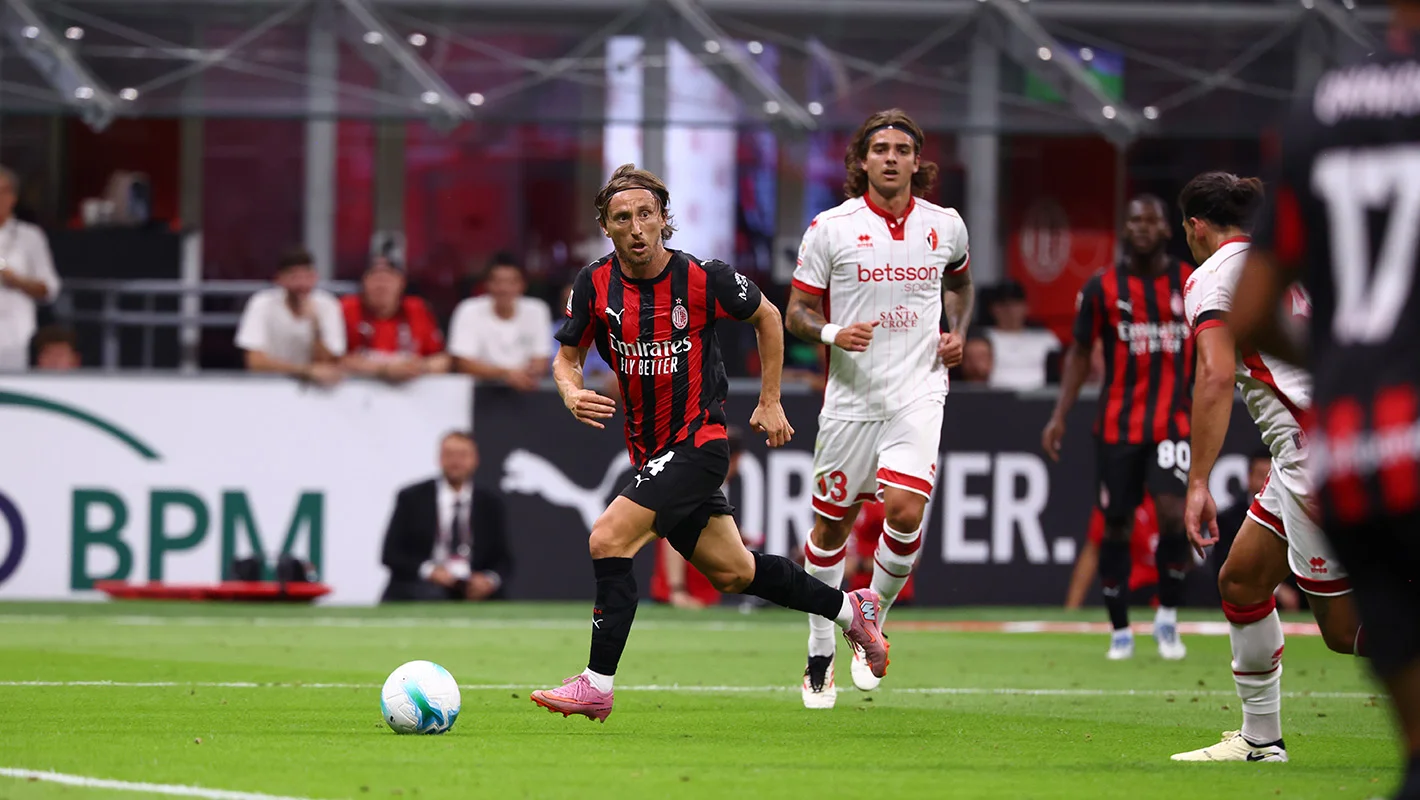
The football encounters between AC Milan and SSC Bari are not among the most frequently played rivalries in Italian football, but they still carry historical significance. Every meeting between these two clubs reflects a contrast in football culture, resources, and legacy. AC Milan stands as one of the most successful clubs in European football history, while Bari represents the spirit of southern Italian football with its passionate fanbase and resilient journey through the leagues.
Understanding the timeline of their matches helps paint a picture of how Italian football has evolved across decades.
Early Years: 1930s to 1950s – The Beginning of Encounters
The earliest official meetings between AC Milan and Bari took place in the early decades of Serie A. During this era, Italian football was still developing in structure and professionalism.
AC Milan was already establishing itself as a strong northern club with growing ambition, while Bari was working hard to secure its place in top-flight football. Matches during this period were generally tactical, physical, and low-scoring.
- AC Milan often controlled possession and created more chances.
- Bari relied heavily on defensive organization and counterattacks.
- Results mostly favored Milan, though Bari occasionally managed to earn draws at home.
These early matches laid the foundation for what would become a long-standing but uneven football history between the two sides.
Post-War Era: 1960s to 1970s – Rising Gap in Quality
After World War II, Italian football became more competitive and structured. Clubs began investing in better tactics and player development.
During this period, AC Milan started to rise as a major force in both domestic and European competitions. Bari, however, experienced inconsistency, moving between Serie A and lower divisions.
- Milan began to dominate possession-based football.
- Bari struggled with squad depth and consistency.
- Matches often ended with Milan victories, sometimes by multiple goals.
Even though Bari occasionally challenged strong opponents at home, AC Milan’s overall strength made them the dominant side in this era.
1980s – Period of Occasional Balance
The 1980s brought some balance to Italian football, as several mid-table teams became more competitive. Bari managed to return to Serie A for certain seasons, leading to renewed encounters with Milan.
This decade showed slightly closer contests:
- Bari improved its defensive structure and discipline.
- AC Milan still had superior attacking quality.
- Some matches ended in draws or narrow victories.
Although Milan remained the stronger team overall, Bari’s performances during this period earned respect, especially when playing at home in front of passionate supporters.
1990s – AC Milan’s Golden Era
The 1990s are widely considered the golden era of AC Milan. The club dominated Italian and European football with world-class squads and tactical brilliance.
During this time, matches between AC Milan and Bari were heavily one-sided.
- Milan consistently controlled games with technical superiority.
- Bari struggled to maintain stability in Serie A.
- Many matches ended in comfortable wins for Milan.
This era highlighted the growing gap between elite European clubs and smaller regional teams. AC Milan’s dominance made it extremely difficult for Bari to compete on equal footing.
2000s – Limited but Competitive Meetings
In the 2000s, the two clubs met less frequently because Bari spent several seasons in Serie B. However, when Bari earned promotion to Serie A, encounters with AC Milan resumed briefly.
During these rare meetings:
- AC Milan usually secured victories with strong attacking displays.
- Bari showed moments of resilience, especially in defense.
- Upsets were rare but not impossible, especially in cup competitions.
Even though the quality gap remained visible, Bari often treated these matches as opportunities to prove themselves against one of Italy’s biggest clubs.
2010–2011 Season – The Last Serie A Chapter
One of the most recent and notable periods in the AC Milan vs SSC Bari timeline came during the 2010–11 Serie A season.
At this time:
- AC Milan was competing at the top of Italian football, eventually winning the Serie A title that season.
- Bari was struggling in the lower half of the table and fighting relegation.
In their meetings:
- Milan dominated possession and created more scoring opportunities.
- Bari struggled to break through Milan’s defense.
- AC Milan secured comfortable wins, reinforcing their dominance.
This season marked the last time the two teams met in Serie A before Bari’s relegation and financial difficulties pushed them into lower divisions.
Modern Era: 2012 to Present – No Regular Encounters
After 2011, the paths of AC Milan and Bari diverged significantly.
- AC Milan remained in Serie A and continued competing in European competitions.
- Bari faced financial restructuring and spent several years rebuilding in lower divisions like Serie B and Serie C.
Because of this separation, official matches between the two clubs became extremely rare. Any future meeting would likely depend on Bari achieving promotion or a draw in cup competitions such as the Coppa Italia.
Key Trends in the Timeline
Looking at the entire history of AC Milan vs Bari encounters, several clear patterns emerge:
- AC Milan has historically dominated most matches.
- Bari has occasionally challenged strongly at home but struggled overall.
- The quality gap widened significantly from the 1990s onward.
- Matches often reflect broader differences in financial strength and squad depth.
Despite these differences, every match has contributed to the broader narrative of Italian football development.
Why This Fixture Still Matters
Even though the fixture is not a modern rivalry, it still holds historical importance.
For AC Milan fans, these matches represent routine but necessary league games during title campaigns. For Bari supporters, however, matches against Milan are special occasions where their team faces one of the giants of world football.
The emotional contrast makes the fixture meaningful:
- Big club dominance vs. underdog spirit
- Historical legacy vs. regional pride
- Consistency vs. struggle and rebuilding
This is what makes Italian football rich and unpredictable across generations.
FAQs on AC Milan vs SSC Bari Timeline
1. How many times have AC Milan and Bari played each other?
They have faced each other several times in Serie A and domestic competitions, mostly when Bari was in the top division.
2. Which team has won more matches?
AC Milan has won the majority of encounters throughout history.
3. When was their most recent match?
Their last Serie A meetings took place during the 2010–11 season.
4. Has Bari ever beaten AC Milan?
Yes, but such victories are rare and considered major upsets in Italian football history.
5. Why don’t they play regularly now?
Because AC Milan is consistently in Serie A while Bari has spent years in lower divisions.
6. Are both clubs still active?
Yes. AC Milan competes at the top level, while Bari continues rebuilding in Italian football’s lower tiers.
7. Could they meet again in the future?
Yes, if Bari earns promotion to Serie A or they are drawn together in cup competitions.
Conclusion
The AC Milan vs SSC Bari timeline reflects more than just match results—it tells the story of two clubs with very different journeys. AC Milan represents global success and footballing excellence, while Bari symbolizes persistence, regional pride, and rebuilding spirit.
Although their encounters have become rare in modern football, each match between them has added a unique chapter to Italian football history, showcasing how the game connects both giants and underdogs across generations.
A football club menu is more than just a list of food and drinks. It reflects the culture of the club, the match-day experience, and the social atmosphere that surrounds football. Whether it is a professional stadium, a local football club house, or a sports bar themed around football, the menu plays a key role in shaping how fans enjoy the game.
In modern football culture, food and beverages are part of the entertainment. Fans don’t just come to watch a match—they come to enjoy a full experience that includes comfort food, quick snacks, refreshing drinks, and sometimes even gourmet dining options. A well-designed football club menu helps enhance this experience.
What Is a Football Club Menu?
A football club menu refers to the selection of food and beverages offered at a football stadium, club lounge, or associated hospitality area. It is designed to serve large crowds quickly while still maintaining taste and quality.
Unlike regular restaurant menus, football club menus focus on fast service, easy-to-eat items, and affordability. However, premium clubs and stadiums also include VIP menus with high-end dining options.
Common Items Found in a Football Club Menu
A typical football club menu is divided into several categories:
1. Snacks and Fast Food
These are the most popular items during match days because they are quick to serve and easy to eat while watching the game. Examples include:
- Burgers
- Hot dogs
- Fries
- Chicken nuggets
- Sandwiches
- Pizza slices
2. Local and Cultural Foods
Many clubs include regional dishes to reflect local tastes. For example, in some countries, you may find spicy grilled items, rice dishes, or traditional wraps.
3. Beverages
Drinks are an essential part of the menu. These usually include:
- Soft drinks
- Water
- Energy drinks
- Coffee and tea
- Fresh juices
In some premium areas, specialty mocktails or cocktails may also be available depending on regulations.
4. Healthy Options
Modern football clubs are increasingly adding healthier choices such as:
- Salads
- Fruit bowls
- Grilled chicken wraps
- Low-calorie snacks
5. Desserts
To satisfy sweet cravings, menus may include:
- Ice cream
- Brownies
- Cakes
- Pastries
Importance of a Football Club Menu
The football club menu is not just about food—it contributes to the overall fan experience. Here’s why it matters:
Enhances Match-Day Experience
Fans spend several hours at a stadium. A good menu keeps them satisfied and engaged throughout the event.
Quick Service for Large Crowds
Football matches attract thousands of people. The menu is designed for speed and efficiency so fans don’t miss the action.
Revenue Generation
Food and beverage sales are a major source of income for football clubs and stadiums.
Brand Identity
Some clubs design their menus to reflect their identity, colors, or regional culture, making the experience more memorable.
Stadium vs Club House Menu
There is a difference between a stadium menu and a football club house menu.
- Stadium Menu: Focuses on fast food, quick service, and large-scale distribution.
- Club House Menu: Often more relaxed, offering sit-down meals, premium dishes, and a quieter dining experience for players, staff, and members.
Trends in Modern Football Club Menus
Football club menus have evolved significantly over the years. Some modern trends include:
Digital Ordering Systems
Many stadiums now offer mobile ordering apps so fans can order food from their seats.
Healthy Eating Focus
Clubs are adding more nutritious options due to rising health awareness among fans.
International Cuisine
Menus now often include global dishes to cater to diverse audiences.
Sustainability
Eco-friendly packaging and reduced food waste are becoming common priorities.
Tips for Enjoying a Football Club Menu Experience
If you’re attending a match, here are a few tips to make the most of the food experience:
- Order early to avoid long queues during halftime.
- Try local or signature items of the stadium.
- Carry cashless payment options if available.
- Choose lighter snacks if you don’t want to miss gameplay.
FAQs about Football Club Menu
1. What is included in a football club menu?
A football club menu usually includes fast food items like burgers, hot dogs, fries, snacks, beverages, and sometimes healthy or premium meal options depending on the venue.
2. Why is food at football stadiums expensive?
Food prices are often higher due to operational costs, convenience, licensing fees, and the demand during live events.
3. Do all football clubs have the same menu?
No, menus vary by club, country, and stadium size. Some focus on local cuisine while others offer international food options.
4. Can I find healthy food in a football club menu?
Yes, many modern stadiums now offer salads, grilled items, fruit bowls, and low-calorie snacks.
5. Is outside food allowed in football stadiums?
In most cases, outside food is not allowed for security and commercial reasons, but policies may vary by stadium.
6. How can I order food inside a stadium?
Many stadiums offer kiosks, mobile apps, or QR code ordering systems that allow fans to order food directly to their seats.
Conclusion
A football club menu is an essential part of the modern football experience. It goes beyond simple food service and plays a major role in fan satisfaction, stadium revenue, and overall match-day enjoyment. From quick snacks to premium dining options, these menus are carefully designed to meet the needs of thousands of fans while maintaining speed and quality.
As football continues to grow globally, the food experience inside stadiums is also evolving, making match days more enjoyable, convenient, and memorable for everyone involved.
Football is one of the most loved sports in the world, followed by millions of passionate fans across every continent. With the rise of digital platforms, the way people watch matches has changed significantly. One term that has become increasingly popular among fans is “Fútbol Libre.” If you’ve come across this phrase and are curious about what it really means, this guide will explain everything in a clear and simple way.
What Is Fútbol Libre?
Fútbol Libre is commonly used to describe websites or online platforms that offer free streaming of football matches. These platforms usually provide access to live games from major leagues and tournaments around the world, including domestic leagues and international competitions.
Instead of paying for cable TV or official streaming services, users visit these websites and watch matches without any subscription fee. This is what makes Fútbol Libre highly attractive, especially for fans who want quick and free access to games.
Why Is Fútbol Libre So Popular?
The popularity of Fútbol Libre has grown rapidly over the years, and there are several reasons behind it.
First, the cost factor plays a major role. Official sports channels and streaming platforms often require monthly or yearly subscriptions, which may not be affordable for everyone. Fútbol Libre removes this barrier by offering free access.
Second, it provides convenience. Fans don’t need special devices or installations. A simple internet connection and a browser are enough to start watching matches instantly.
Another reason is the wide variety of content. These platforms often stream matches from multiple leagues, including those that may not be easily available on local TV channels.
Finally, mobile accessibility has contributed to its growth. Many users prefer watching matches on their smartphones, and Fútbol Libre platforms are usually designed to work well on mobile devices.
How Does Fútbol Libre Work?
Fútbol Libre platforms generally do not host the matches themselves. Instead, they collect streaming links from different sources and make them available in one place. When a user clicks on a match, they are redirected to another page where the live stream is hosted.
This method allows these platforms to offer a large number of matches without maintaining their own broadcasting systems. However, it also means that the quality and reliability of streams can vary.
Is Fútbol Libre Legal?
One of the most important questions people ask is whether Fútbol Libre is legal. The answer depends on your location, but in most cases, these platforms operate without official broadcasting rights.
This means they may be violating copyright laws by sharing content that belongs to licensed broadcasters. Watching such streams could also be considered illegal in some countries.
In addition to legal concerns, there are also safety risks. Many of these websites rely on advertisements to generate revenue, which can lead to:
- Pop-up ads that interrupt viewing
- Redirects to suspicious websites
- Potential exposure to malware or viruses
Because of these risks, users should be careful when accessing such platforms.
Advantages of Fútbol Libre
Despite the concerns, Fútbol Libre continues to attract a large number of users. Some of its main advantages include:
- Free access to football matches
- Availability of multiple leagues and competitions
- No need for subscriptions or long-term commitments
- Easy access through mobile devices and browsers
For many fans, especially those with limited resources, these benefits make it an appealing option.
Disadvantages of Fútbol Libre
However, there are also several downsides that cannot be ignored.
The biggest issue is legality. Using unofficial streaming platforms can lead to legal consequences depending on local laws.
Another problem is the quality of streams. Unlike official services, which offer high-definition and stable broadcasts, Fútbol Libre streams may be blurry, delayed, or frequently interrupted.
Security is also a concern. Users may encounter harmful ads or be exposed to phishing attempts. Additionally, links may stop working suddenly, especially during important matches.
Safer Alternatives
If you want a better and more secure viewing experience, it is worth considering official streaming platforms. While they require payment, they offer several advantages such as:
- High-quality video and audio
- Reliable and uninterrupted streaming
- Legal access to content
- Better user experience overall
Many platforms also offer affordable packages or free trials, making them more accessible than before.
Tips for a Better Experience
If you still decide to use Fútbol Libre platforms, it is important to take some precautions to reduce risks:
- Use a trusted ad blocker to avoid pop-ups
- Do not click on suspicious links or ads
- Avoid entering personal or financial information
- Install antivirus software on your device
- Close any unwanted tabs immediately
These steps can help you stay safer while browsing, although they do not eliminate all risks.
The Future of Free Football Streaming
The demand for free football streaming is unlikely to disappear anytime soon. However, the industry is evolving. More official platforms are now offering flexible pricing and online access, making legal streaming easier than before.
At the same time, authorities are becoming stricter about copyright enforcement. Many unofficial streaming websites are being taken down or blocked in different regions.
This suggests that the future may shift toward more affordable and legal options, reducing the need for platforms like Fútbol Libre.
FAQs About Fútbol Libre
1. What is Fútbol Libre?
It refers to online platforms that allow users to watch football matches for free, usually without official broadcasting rights.
2. Is Fútbol Libre safe?
It can be risky due to ads, pop-ups, and potential malware. Users should be cautious while browsing.
3. Do I need to create an account?
Most platforms do not require registration, but it’s best to avoid sharing personal details if asked.
4. Can I watch matches in HD?
Sometimes, but the quality is often inconsistent and depends on the source of the stream.
5. Is it legal to use Fútbol Libre?
In many countries, it is not legal because it streams copyrighted content without permission.
6. Why do streams buffer or stop?
This happens because the streams come from unstable sources and may not handle high traffic well.
7. Can I use it on my phone?
Yes, most Fútbol Libre websites are mobile-friendly and work on smartphones.
8. Are there better options available?
Yes, official streaming services provide better quality, safety, and a more reliable viewing experience.
Conclusion
Fútbol Libre has become a popular choice for football fans looking for free and convenient access to matches. While it offers clear benefits, it also comes with important risks related to legality, security, and quality.
Understanding both the advantages and disadvantages can help you make a smarter decision. Whether you choose free platforms or official services, the goal is the same—to enjoy the excitement and passion of football without unnecessary trouble.
Provascin: Uses, Benefits, Ingredients, Side Effects, and Everything

SEO in 2026: Complete Guide to Ranking Websites, Pricing & Real Strategies


