
Health
Abdomna: Meaning, Anatomy, Functions, and Common Health

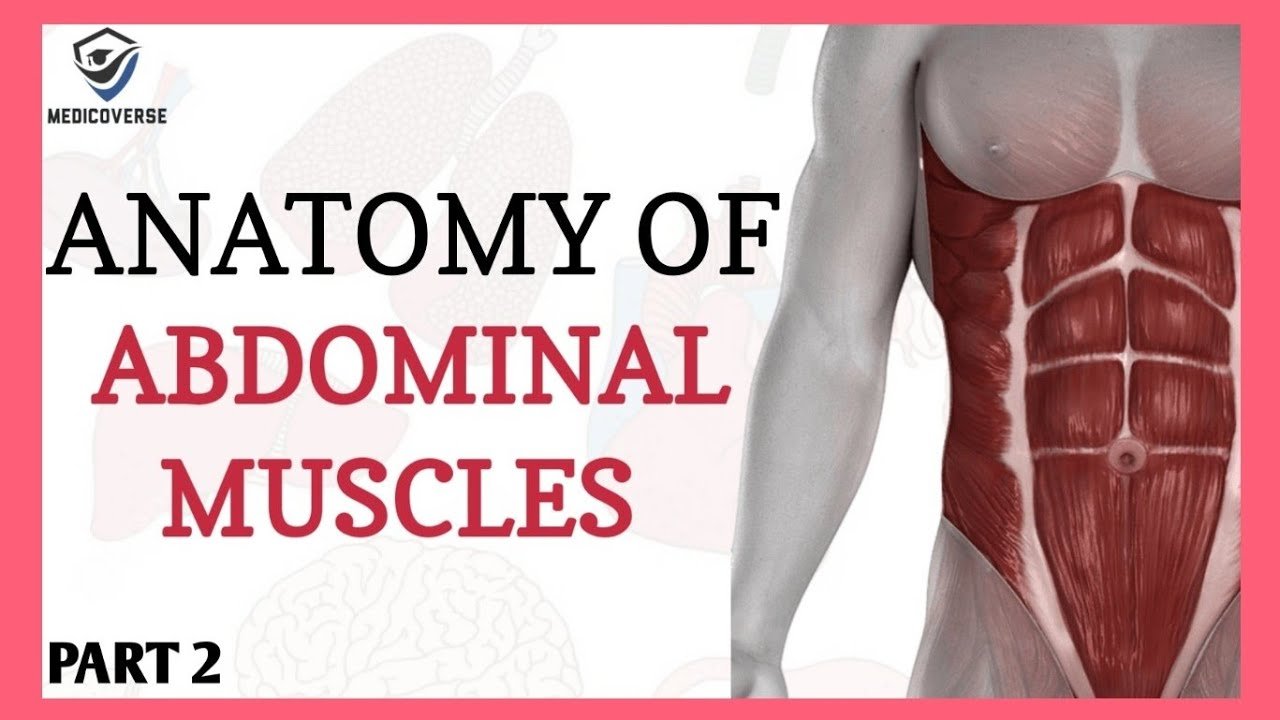
The abdomna (commonly referred to as the abdomen) is one of the most important regions of the human body. It contains several vital organs responsible for digestion, metabolism, and other essential bodily functions. Understanding the abdomna is important because many health conditions originate in this area. In this article, we will explore the structure, functions, and common problems related to the abdomna, along with frequently asked questions.
What Is the Abdomna?
The abdomna is the part of the body located between the chest (thorax) and the pelvis. It is commonly called the belly or stomach area in everyday language. This region is protected by muscles and houses several major organs that help the body process food, remove waste, and maintain internal balance.
The abdomna is surrounded by the abdominal muscles in the front and sides, the spine in the back, and the diaphragm at the top. These structures help protect the organs and assist with breathing, posture, and movement.
Anatomy of the Abdomna
The abdomna contains many important organs that work together to support digestion and other vital processes. Some of the major organs found in the abdomna include:
1. Stomach
The stomach is responsible for breaking down food using digestive acids and enzymes. It prepares food for further digestion in the intestines.
2. Liver
The liver is the largest internal organ in the body. It helps detoxify harmful substances, produce bile for digestion, and store nutrients.
3. Small Intestine
This long, coiled organ is where most of the digestion and nutrient absorption occurs.
4. Large Intestine (Colon)
The large intestine absorbs water from food waste and forms stool before it leaves the body.
5. Pancreas
The pancreas produces enzymes that help digest proteins, fats, and carbohydrates. It also produces insulin, which regulates blood sugar levels.
6. Gallbladder
The gallbladder stores bile produced by the liver and releases it during digestion to help break down fats.
7. Kidneys (Posterior Abdomen)
Although partially located toward the back, the kidneys are associated with the abdominal region and filter waste from the blood.
Functions of the Abdomna
The abdomna plays a vital role in maintaining overall health. Its main functions include:
Digestion
The digestive organs in the abdomna break down food into nutrients that the body can absorb and use for energy.
Waste Removal
The intestines help remove waste materials and toxins from the body.
Organ Protection
Strong abdominal muscles protect internal organs from injury.
Breathing Support
The diaphragm and abdominal muscles assist with breathing by helping the lungs expand and contract.
Body Movement and Posture
The muscles in the abdomna support the spine and help with bending, twisting, and maintaining balance.
Common Health Problems of the Abdomna
Several medical conditions can affect the abdomna. Some of the most common include:
Abdominal Pain
Abdominal pain can occur for many reasons, including indigestion, infection, or inflammation.
Appendicitis
This is inflammation of the appendix and often requires emergency surgery.
Hernia
A hernia occurs when an organ pushes through a weak spot in the abdominal wall.
Gastritis
This condition involves inflammation of the stomach lining, often caused by infection, stress, or certain medications.
Irritable Bowel Syndrome (IBS)
IBS affects the intestines and causes symptoms such as cramps, bloating, and changes in bowel habits.
Liver Disease
Conditions such as fatty liver disease or hepatitis can affect the liver and cause abdominal discomfort.
Tips for Maintaining a Healthy Abdomna
Keeping the abdomna healthy is essential for overall well-being. Here are some helpful tips:
- Eat a balanced diet rich in fruits, vegetables, whole grains, and lean proteins.
- Stay hydrated to support digestion and organ function.
- Exercise regularly to strengthen abdominal muscles.
- Avoid excessive alcohol consumption, which can damage the liver.
- Practice good hygiene to prevent infections affecting the digestive system.
- Seek medical advice if you experience persistent abdominal pain or unusual symptoms.
Frequently Asked Questions (FAQs)
1. What does the abdomna do in the human body?
The abdomna contains organs that help digest food, absorb nutrients, remove waste, and support important metabolic processes.
2. Where is the abdomna located?
The abdomna is located between the chest and the pelvis. It includes the stomach area and houses several important organs.
3. What organs are found in the abdomna?
Major organs in the abdomna include the stomach, liver, small intestine, large intestine, pancreas, gallbladder, and kidneys.
4. What causes pain in the abdomna?
Abdominal pain can be caused by many conditions such as indigestion, infections, inflammation, appendicitis, or digestive disorders.
5. How can I keep my abdomna healthy?
You can keep your abdomna healthy by eating nutritious foods, exercising regularly, drinking enough water, and avoiding unhealthy habits like excessive alcohol consumption.
6. When should I see a doctor for abdominal pain?
You should seek medical attention if the pain is severe, persistent, accompanied by fever, vomiting, or if it suddenly worsens.
Conclusion
The abdomna is a crucial part of the human body that supports digestion, metabolism, and overall health. It contains several vital organs that work together to process food, absorb nutrients, and eliminate waste. Understanding the structure and functions of the abdomna can help people recognize potential health issues early and take steps to maintain a healthy lifestyle. Taking care of your digestive system through proper nutrition, exercise, and medical checkups can greatly improve your long-term well-being.

When people ask what is trump’s life expectancy, they are usually trying to understand how long a public figure like Donald Trump might live based on age, lifestyle, and health factors. While no one can predict an exact lifespan, we can analyze key elements like genetics, medical history, and general life expectancy trends to get a realistic idea.
In this article, we’ll break down everything in simple terms—without speculation or misinformation—so you can clearly understand how life expectancy works and how it may apply to Trump.
What Is Trump’s Life Expectancy?
The question what is trump’s life expectancy does not have a fixed answer. Life expectancy is not a guaranteed number—it is an estimate based on statistics and personal health factors.
As of now:
- Donald Trump was born in 1946
- He is in his late 70s
- The average life expectancy for men in the U.S. is around 73–76 years, but this varies widely
However, many people live well beyond average life expectancy, especially with access to quality healthcare.
Key Factors That Influence Life Expectancy
To better understand what is trump’s life expectancy, we need to look at the main factors that affect how long someone may live.
1. Age and Current Health
Trump is already past the average life expectancy range. This is actually a positive indicator, because:
- The longer someone lives, the higher their chances of living even longer
- Many individuals in their late 70s can live into their 80s or 90s
2. Access to Healthcare
As a former U.S. president, Trump has access to top-level healthcare. This includes:
- Regular medical checkups
- Early detection of diseases
- Advanced treatments
This significantly increases the chances of a longer life.
3. Lifestyle Habits
Lifestyle plays a huge role in determining life expectancy.
Reported habits include:
- Non-smoker
- Limited alcohol use
- Preference for fast food (less healthy factor)
- Low physical exercise compared to recommended levels
These mixed factors create a balanced but not perfect health profile.
4. Family History (Genetics)
Genetics are extremely important when estimating what is trump’s life expectancy.
- Trump’s father lived to 93 years
- His mother lived to 88 years
This suggests strong genetic potential for longevity.
Medical Reports and Public Health Information
Over the years, official medical reports have described Trump’s health as generally good for his age.
Some highlights include:
- Normal cognitive function
- Stable cardiovascular condition (with monitoring)
- Weight considered slightly above ideal range
While these reports are not deeply detailed, they suggest no immediate major health risks.
How Life Expectancy Works (Simple Explanation)
Life expectancy is based on probability—not certainty.
Here’s how it works:
- It uses data from millions of people
- It considers age, gender, and health
- It adjusts as a person gets older
For example:
- A man at birth may have a life expectancy of 75
- But if he reaches 78, his new expected lifespan may extend to 85+
So when asking what is trump’s life expectancy, the estimate increases because he has already reached an older age.
Estimated Life Expectancy Range
Based on all available factors, experts would typically estimate:
Possible range:
- Early 80s (lower estimate)
- Mid to late 80s (realistic average)
- 90+ (possible with strong health and genetics)
This is not a prediction—just a statistical range.
Why People Are Curious About Trump’s Life Expectancy
The question what is trump’s life expectancy is often searched because:
- He is a major political figure
- His age is relevant to leadership discussions
- People are curious about longevity in high-stress roles
Public figures naturally attract more attention regarding health and aging.
Benefits of Understanding Life Expectancy
Learning about life expectancy—even for someone like Trump—can help you:
- Understand how aging works
- Make better health decisions
- Focus on lifestyle improvements
- Realize the importance of genetics and prevention
It’s not just about one person—it’s about applying the knowledge to your own life.
Common Misconceptions
Life expectancy is a fixed number
It changes over time based on health and age.
Wealth guarantees a longer life
It helps, but lifestyle and genetics still matter.
Older age means less time left
Not always—many people live decades beyond expectations.
FAQs About What Is Trump’s Life Expectancy
1. What is Trump’s life expectancy right now?
There is no exact number, but estimates suggest he could live into his mid-to-late 80s based on current data.
2. Does Trump’s lifestyle affect his life expectancy?
Yes. Diet, exercise, and daily habits all influence longevity, even with good healthcare.
3. Is Trump considered healthy for his age?
Public medical reports have described him as generally healthy, though not without minor concerns.
4. Can genetics really impact life expectancy?
Absolutely. Trump’s parents lived long lives, which increases his chances of longevity.
Final Thoughts
So, what is trump’s life expectancy? The honest answer is that no one can predict it exactly. However, based on age, genetics, healthcare access, and current health, it is reasonable to expect that Donald Trump could live well into his 80s or beyond.
The bigger takeaway is this: life expectancy is not just about numbers—it’s about choices. Healthy habits, regular checkups, and awareness can make a huge difference in how long and how well we live.
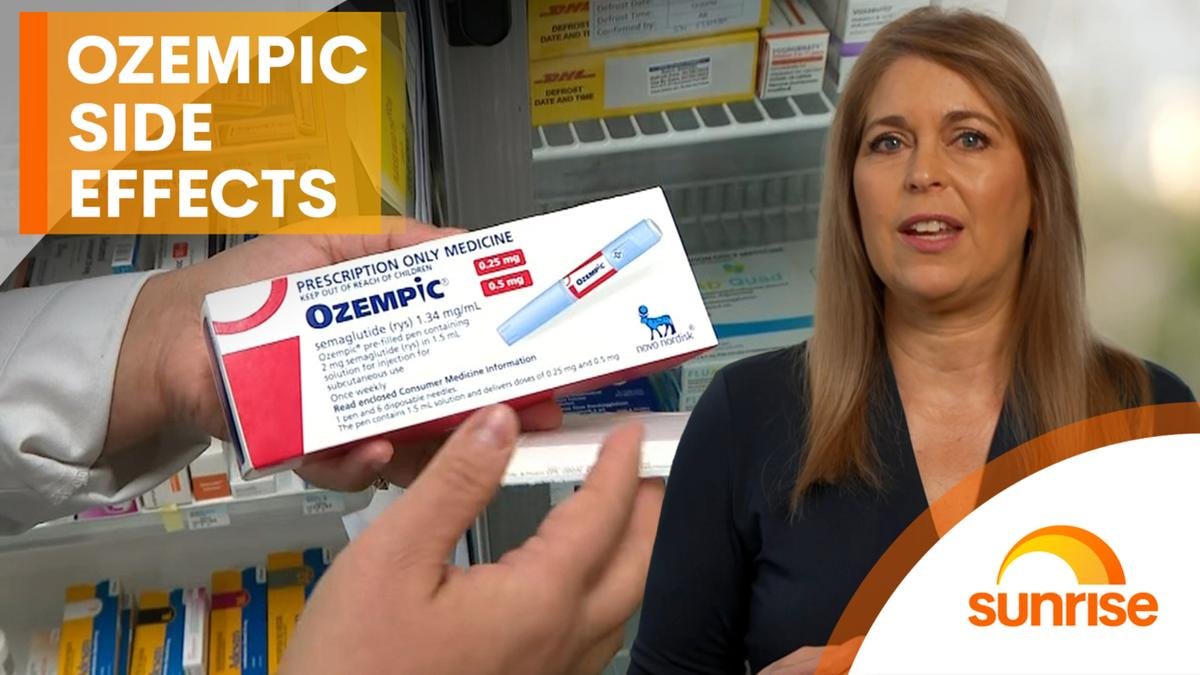
Weight loss medications are becoming more popular than ever, and one name you’ve probably heard is Ozempic. While it was originally designed to treat type 2 diabetes, many people now use it for shedding extra weight.
But here’s the truth: ozempic for weight loss side effects is something you must understand before considering it.
In this guide, we’ll break everything down in simple terms—what Ozempic is, how it works, its benefits, and most importantly, its side effects.
What Is Ozempic?
Ozempic is a prescription medication that contains semaglutide, a compound that mimics a hormone in your body called GLP-1.
How It Works:
- Slows down digestion
- Reduces appetite
- Helps you feel full longer
- Controls blood sugar levels
Because of these effects, many people experience significant weight loss, even if they don’t have diabetes.
Why People Use Ozempic for Weight Loss
Although Ozempic is FDA-approved for diabetes, doctors sometimes prescribe it “off-label” for weight loss.
Key Benefits:
- Reduces hunger cravings
- Helps control portion sizes
- Supports steady, gradual weight loss
- Improves blood sugar balance
However, these benefits come with potential downsides. Understanding ozempic for weight loss side effects is essential before starting.
Common Ozempic for Weight Loss Side Effects
Let’s start with the most common side effects. These usually appear in the first few weeks.
1. Nausea (Most Common)
- Happens when your body adjusts
- Usually mild to moderate
- Often improves over time
2. Vomiting
- Can occur if dosage is increased too quickly
- More likely in sensitive individuals
3. Diarrhea or Constipation
- Digestive system slows down
- May cause irregular bowel movements
4. Loss of Appetite
- While helpful for weight loss, it can:
- Lead to under-eating
- Cause weakness or fatigue
5. Stomach Pain
- Mild discomfort or bloating
- Usually temporary
These are the most reported ozempic for weight loss side effects, and many people tolerate them well.
Serious Ozempic for Weight Loss Side Effects
Although rare, some side effects can be serious and require medical attention.
1. Pancreatitis
- Severe abdominal pain
- Nausea and vomiting
- Needs immediate treatment
2. Gallbladder Problems
- Gallstones may develop
- Symptoms include:
- Sharp pain
- Fever
- Yellowing of skin
3. Kidney Issues
- Dehydration from vomiting or diarrhea
- Can worsen existing kidney problems
4. Thyroid Tumor Risk
- Seen in animal studies
- Symptoms may include:
- Neck swelling
- Trouble swallowing
Because of these risks, doctors carefully monitor patients using Ozempic.
Who Should Avoid Ozempic?
Not everyone is a good candidate.
Avoid Ozempic if you:
- Have a history of thyroid cancer
- Have pancreatitis
- Are pregnant or breastfeeding
- Have severe gastrointestinal issues
Always consult a doctor before starting, especially when concerned about ozempic for weight loss side effects.
Tips to Reduce Ozempic Side Effects
The good news? You can manage many side effects with simple habits.
✔ Start with a Low Dose
- Helps your body adjust slowly
✔ Eat Smaller Meals
- Prevents nausea and discomfort
✔ Avoid Fatty Foods
- Reduces digestive issues
✔ Stay Hydrated
- Prevents dehydration
✔ Follow Doctor’s Instructions
- Never self-adjust dosage
These steps can significantly reduce ozempic for weight loss side effects and improve your experience.
Ozempic vs Other Weight Loss Medications
Ozempic is often compared with similar drugs.
Compared to Others:
- More effective for appetite control
- Longer-lasting results
- Weekly injection (more convenient)
However:
- Side effects can be stronger in some people
- Cost can be higher
Understanding how it compares helps you make an informed decision.
Latest Updates on Ozempic for Weight Loss
In recent years, semaglutide-based treatments have gained massive popularity.
Recent Trends:
- Increased demand worldwide
- More off-label prescriptions
- Development of similar drugs (like Wegovy)
Researchers continue studying long-term safety and ozempic for weight loss side effects.
FAQs About Ozempic for Weight Loss Side Effects
1. How long do Ozempic side effects last?
Most side effects last a few days to weeks. Your body usually adjusts over time.
2. Is Ozempic safe for long-term use?
It can be safe under medical supervision, but long-term effects are still being studied.
3. Can Ozempic cause permanent damage?
Rarely, but serious issues like pancreatitis or kidney problems can occur if not monitored.
4. Do all users experience side effects?
No. Some people experience mild or no side effects at all.
Final Thoughts: Is Ozempic Worth It?
Ozempic can be a powerful tool for weight loss, especially for people struggling with obesity or appetite control.
But here’s the reality:
ozempic for weight loss side effects should never be ignored.
Key Takeaways:
- Effective for weight loss
- Common side effects are manageable
- Serious risks are rare but possible
- Medical guidance is essential
Call-to-Action:
If you’re considering Ozempic, talk to a qualified healthcare provider first. A personalized plan will help you lose weight safely while minimizing risks.

Let’s understand How to Stop Hair Pulling Disorder ? Hair pulling can feel like a private battle, but you can learn specific, evidence-based tools to lessen urges and regain control. You’ll find practical strategies—behavioral techniques, habit-reversal steps, and self-management tips—that actually reduce pulling and help you break the cycle.
This post explains what drives hair pulling, how the urges work, and which approaches research and clinicians recommend so you can pick the methods that fit your life. Expect clear steps you can try today, signs to watch for, and guidance on when to seek professional support.
Understanding Hair Pulling Disorder
You will learn what hair pulling disorder looks like, what commonly contributes to it, and how it can change your daily routines, relationships, and self-image.
Definition and Symptoms
Hair pulling disorder (trichotillomania) is a compulsive behavior where you repeatedly pull out hair, causing noticeable hair loss. You may pull from the scalp, eyebrows, eyelashes, or other body sites. The behavior can be automatic — happening without full awareness — or focused, triggered by specific urges, thoughts, or sensory sensations.
Common signs include thinning patches or uneven hair, frequent attempts to stop or reduce pulling, and distress about appearance. You might spend minutes to hours pulling during the day or pull at night while half-asleep. Physical results can include broken hair shafts, skin damage, scabbing, or infection at the pulling site.
Possible Causes and Risk Factors
No single cause explains trichotillomania; multiple factors interact to increase risk. Genetic studies show higher rates in relatives of people with the disorder, suggesting heritable vulnerability. Brain differences in habit formation, impulse control, and reward processing also play a role.
Stress, anxiety, boredom, or sensory triggers often precipitate pulling episodes. Co-occurring conditions like OCD, depression, ADHD, or generalized anxiety disorder raise the likelihood of developing or maintaining hair pulling. Developmental factors (onset often in childhood or adolescence), female sex, and certain environmental patterns (family responses, learned behaviors) are additional risk factors.
How Hair Pulling Affects Daily Life
Hair pulling can disrupt many parts of your life. You may avoid social situations, wear hats or scarves, or use strategies to hide hair loss, which can limit work, school, or dating opportunities. Repeatedly hiding the behavior can increase isolation and reduce support from friends or family.
Practical impacts include time lost to pulling or concealment, medical issues like skin infections, and financial costs for treatments or cosmetic fixes. Emotionally, you may feel shame, lowered self-esteem, or persistent worry about relapse. These consequences can maintain the cycle of pulling, as stress and negative feelings often trigger more episodes.
Effective Strategies to Stop Hair Pulling
You will find treatments that target the behavior directly, practical techniques you can use in the moment, and everyday changes that reduce urges and support recovery.
Therapeutic Approaches
Start with evidence-based therapies known to reduce hair-pulling frequency and urges. Habit Reversal Training (HRT) teaches you to notice the urge, record triggers, and perform a competing response (a safe, opposing action) when you feel like pulling. Work with a clinician who can guide skill practice and tailor competing responses to your usual triggers.
Cognitive Behavioral Therapy (CBT) components help you identify thoughts and situations that escalate pulling and replace them with alternative coping strategies. For severe or co-occurring conditions, a psychiatrist may consider medication such as SSRIs or other options; medication is an adjunct, not a standalone cure.
Ask for therapists experienced in body-focused repetitive behaviors (BFRBs). Regular sessions, homework, and progress tracking increase effectiveness.
Self-Help Techniques
Create a daily plan to increase awareness and interrupt pulling episodes. Use a short checklist: identify high-risk situations, put on tactile barriers (gloves, bandages), and set small, measurable goals like 30 pull-free minutes, then reward yourself.
Keep a trigger log to spot patterns: time of day, emotions, activities, and environments. Replace pulling with specific alternative actions—fidget toys, hair-stroking with a soft brush, or clenching and releasing your fist for 30 seconds.
Use public reminders and visual cues (bracelet, sticky note) to prompt competing responses. Practice relaxation tools—deep breathing or a 3-minute grounding exercise—when urges spike.
Lifestyle Changes for Recovery
Adjust daily routines to reduce stressors and physical triggers. Prioritize consistent sleep, moderate caffeine, and balanced meals to stabilize mood and impulse control. Regular aerobic exercise lowers baseline anxiety and can reduce urge intensity.
Modify environments: keep mirrors covered if they trigger pulling, change your usual seating, or rearrange grooming tools out of reach. Build a social support plan—share your goals with one trusted person who can check in and provide encouragement.
Schedule brief daily check-ins with yourself to review progress and adapt strategies. Small, consistent changes compound into fewer pulling episodes over time.

How to Install Freedoor 2.4.6.8 (Step‑by‑Step Guide for Beginners)

Anonib.to: What It Is, How It Works, and What You Should Know

Internet Marketing Mississauga: Proven Strategies to Grow Local Businesses


-

 Blog1 week ago
Best Gym Shoes for Lifting (Complete Guide)
-

 Blog1 week ago
Black Snowing: A Rare but Alarming Environmental Phenomenon
-

 Business4 days ago
Bad Credit Auto Loans: How to Secure Financing Quickly and Wisely
-

 Celebrity4 days ago
How Old Is Dick Van Dyke? A Complete Look at His Age, Life,
-

 Education2 days ago
Solve Delta Math Graphing Problems Instantly: A Simple Guide to Mastering Graphs Without Stress
-

 Celebrities6 days ago
Kev Corbishley: A Complete Guide to His Life, Work, and Growing
-
 Digital marketing1 day ago
Internet Marketing Mississauga: Proven Strategies to Grow Local Businesses
-

 Health1 week ago
How to Stop Hair Pulling Disorder: Practical Strategies and Professional Treatment Options