
Business
Free Zone Company Formation in Dubai: A Clear Guide for Investors and Entrepreneurs

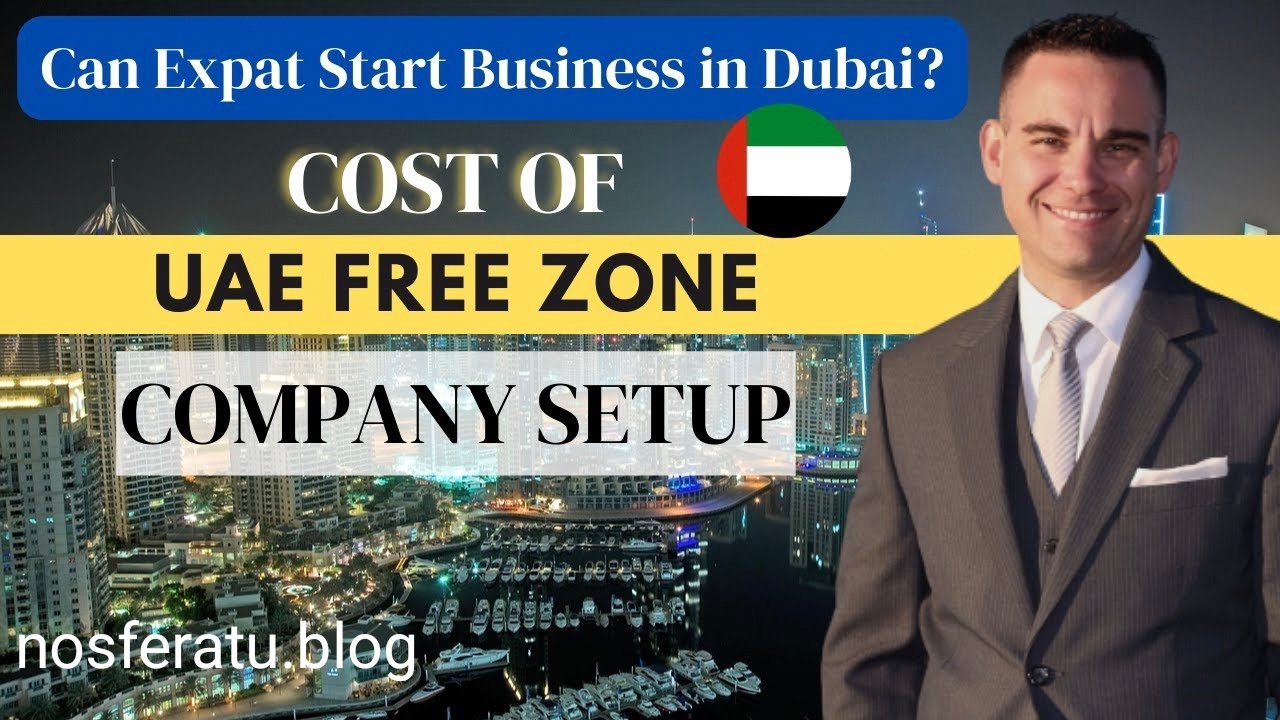
Setting up a free zone company in Dubai gives you 100% foreign ownership, streamlined registration, and strong tax advantages — a practical pathway if you want a clear, business-friendly base in the UAE. You can register quickly, retain full ownership, and access sector-specific infrastructure that matches your business needs.
This article walks you through how free zones work, which zones suit different activities, and the legal and operational steps you must take so you can decide and act with confidence. Expect concise, actionable guidance on licensing, corporate structure, and compliance to move from concept to company without unnecessary delays.
Free Zone Company Formation in Dubai
You can set up a company in Dubai’s free zones to obtain full foreign ownership, simplified licensing, and visa options tied to your business scale. The sections below explain where free zones fit in Dubai, what advantages they offer, the main company structures you can choose, and the practical steps to register and operate.
Overview of Dubai Free Zones
Dubai free zones are designated economic areas that cater to specific industries such as trade, fintech, media, logistics, and commodities. Each free zone operates under its own authority and provides tailored infrastructure, from office spaces to warehousing and specialized regulatory frameworks.
You select a free zone based on your primary business activity, physical space needs, and visa requirements. Popular options include DMCC for commodities and trading, Dubai Internet City for tech, and Jebel Ali Free Zone for logistics. Processing times often range from 3 to 10 working days, depending on the authority and completeness of your documentation.
Free zones allow full repatriation of profits and typically exempt companies from UAE corporate and personal income taxes (subject to UAE tax law). They also offer packages that bundle license issuance, visa allocation, and office solutions to speed your market entry.
Benefits of Free Zone Company Formation
You gain full foreign ownership without needing a local partner, which simplifies governance and profit distribution. Free zones also generally provide zero personal income tax and competitive corporate tax environments, depending on current UAE tax regulations.
Licensing and setup processes are streamlined; many free zones offer online application portals and standardised documents. You will find industry-specific support, such as market access, networking events, and specialized infrastructure (e.g., cold storage, trading hubs).
Visas tie directly to company size and office package—typical packages include investor visas and employee visas based on your chosen desk, flexi-desk, or office unit. Administrative predictability and sector-focused ecosystems make scaling and cross-border transactions easier for international businesses.
Types of Free Zone Companies
You can form several legal entities in free zones; the most common are Free Zone Establishment (FZE/FZ-LLC), Free Zone Company (FZCO), and branch of a foreign/company. FZE/FZ-LLC suits single-shareholder operations, FZCO fits multi-shareholder ventures, and branches extend a mainland or foreign parent.
License types align with activities: commercial/trading licenses, professional/service licenses, industrial/manufacturing licenses, and e-commerce licenses. Your selected license dictates permitted activities, shareholding structure, and any specific approvals required by the free zone authority.
Some free zones also offer special categories like media licenses, tech visa-linked packages, and commodity-specific registrations (e.g., precious metals in DMCC). Choose the company form and license that match your business plan to avoid future restructuring costs.
Step-by-Step Company Formation Process
- Choose free zone and business activity: Match your core activity to a free zone that supports it and check permitted activities.
- Select legal form and trade name: Reserve a trade name and confirm the legal entity type (FZE, FZCO, branch).
- Prepare documents: Provide passport copies, proof of address, business plan, and shareholder/director KYC documents. Free zones may require notarized and attested documents for foreign nationals.
- Submit application and pay fees: Use the free zone authority’s portal or service center to apply for a license and office package; fees cover registration, license, and visa quotas.
- Lease office or flexi-desk: Complete tenancy agreements; some free zones permit flexi-desks for smaller operations to reduce upfront costs.
- Obtain license and register for visas: Receive your trade license, then proceed with immigration formalities to sponsor resident visas and employee work permits if needed.
- Open a corporate bank account and set up operational permits: Provide the license and company documents to banks and obtain any additional approvals (e.g., customs for trading, special clearances for regulated sectors).
- Maintain compliance: Renew licenses annually, file any required statutory reports, and keep visa quotas and office leasing current to retain your free zone status.
Legal and Operational Considerations
You will need to provide identity and company documents, choose the right license type, and maintain annual compliance to operate smoothly within a Dubai free zone. Costs, timelines, and physical office requirements vary by free zone and by the business activity you select.
Requirements for Registration
You must submit notarized copies of passports for all shareholders and managers, a passport-size photo, proof of address, and a completed application form specific to the chosen free zone authority. If shareholders are companies, provide corporate documents (certificate of incorporation, memorandum and articles of association) translated into English and legalized or apostilled.
Most free zones require a local application letter, a proposed company name that follows naming rules, and a lease agreement or flex-desk reservation to satisfy the office-space requirement. Expect background checks and, for certain activities (financial services, education, healthcare), pre-approval from relevant UAE regulators. You may also need a local service agent for specific mainland-linked activities even when based in a free zone.
Licensing Options and Costs
Free zones issue activity-specific licenses: commonly commercial, professional, and industrial. Choose the one that matches your primary revenue-generating activity; adding secondary activities is possible but may increase fees and approval time. License fees typically include an initial registration fee, license issuance fee, and office or flex-desk rent.
Budget ranges: registration and license fees often start from a few thousand AED annually for simple professional licenses, while industrial or highly regulated licenses can cost significantly more. Expect additional costs for visas (per visa), corporate bank account setup, and mandatory insurance where applicable. Ask the free zone authority for an itemized fee schedule and any promotional packages that bundle visas and office space.
Renewal and Compliance Obligations
You must renew your license and lease annually, submitting up-to-date company documents and audited financials if the free zone requires them. Missing renewal deadlines usually triggers fines, suspension, and ultimately cancellation, so calendar reminders and delegated responsibility are critical.
Maintain corporate records: share registers, board minutes, and accounting books as required by the free zone. File statutory reports or audited accounts if your license or activity mandates them. If you sponsor employees, ensure visa renewals, health insurance compliance, and Emirati labor law adherence. Noncompliance with AML, data protection, or sector-specific regulations can lead to penalties and reputational risk.
Bad credit won’t block you from getting a car — lenders, dealerships, and specialized finance companies still approve borrowers with lower scores, though terms will cost more and require smarter planning. You can get an auto loans with bad credit by comparing subprime lenders, preparing proof of steady income, and offering a reasonable down payment to improve approval odds and loan terms.
This article Bad Credit Auto Loans breaks down what lenders look for, how interest and fees change with your score, and practical steps you can take to qualify and protect your finances. Follow the guidance to understand your options, avoid costly mistakes, and start rebuilding credit while getting the vehicle you need.
Understanding Bad Credit Auto Loans
You will learn what counts as bad credit, the typical eligibility rules lenders check, and the trade-offs when you finance a car with poor credit. Expect specifics on scores, documentation, down payments, and costs so you can evaluate offers quickly.
What Defines Bad Credit
Bad credit generally means a FICO-like score below about 620, though some lenders treat anything under 580 as high risk. Your score reflects missed payments, recent bankruptcies or consumer proposals, high credit utilization, and limited credit history.
Lenders also review public records and collections; a recent bankruptcy or a consumer proposal will drastically lower the number of financing options and raise rates.
Look at more than the number. Lenders assess the pattern and recency of derogatory items. A single late payment from five years ago weighs far less than repeated delinquencies over the past year.
Eligibility Requirements
You’ll usually need a steady income, proof of residence, and ID. Lenders often require payroll stubs, bank statements, or tax returns showing consistent monthly income sufficient to cover the proposed payment plus existing debts.
Expect to provide vehicle information if buying from a dealer: VIN, sale price, and proof of insurance.
Common lender conditions include a minimum down payment (often 5–20% for bad credit borrowers), acceptable debt-to-income ratios (typically below 50% total debt service), and sometimes a co-signer or collateral. Specialized subprime lenders and buy-here-pay-here dealers approve more applicants but at higher interest rates and stricter repossession terms.
Pros and Cons of Bad Credit Auto Financing
Pros:
- You can get transportation even with low scores or past bankruptcy.
- Financing can help rebuild your credit if you make on-time payments.
- Options exist: co-signers, larger down payments, or choosing an older vehicle to lower loan size.
Cons:
- Interest rates and total loan costs are substantially higher; small score differences can change rates dramatically.
- Loan terms often include shorter warranties, higher fees, and faster repossession policies.
- Some lenders add mandatory add-ons or inflated insurance requirements; you must read contracts and compare the annual percentage rate (APR), total interest paid, and any fees.
Use a checklist when comparing offers: APR, loan term, monthly payment, down payment, total cost, and repossession conditions. This helps you choose the least costly route to reliable transportation while protecting your credit rebuilding plan.
How to Get a Bad Credit Auto Loan
You can qualify for an auto loan with low credit by preparing documentation, targeting lenders that work with higher-risk borrowers, and using strategies that lower lender risk. Focus on income proof, a realistic budget, and options like co-signers or larger down payments to improve terms.
Steps to Apply
Start by checking your credit report and score for errors and recent updates. Dispute any inaccuracies, because even small fixes can change offers and interest rates.
Gather these documents before you apply: recent pay stubs (30 days), two years of tax returns if self-employed, a government ID, proof of residence, and bank statements showing savings or the down payment. Lenders use these to verify stability and ability to pay.
Decide on a realistic monthly payment using a budget calculator. Get prequalified online with several lenders to compare rate ranges without hard inquiries. When you submit a formal application, expect a hard pull and a firm offer within a few days.
Choosing the Right Lender
Target lenders that specialize in bad-credit or subprime auto loans: certain local credit unions, buy-here-pay-here dealers, online subprime lenders, and specialty finance arms of big banks. Each type has different trade-offs in price and flexibility.
Compare offers on APR, loan term, fees, and repossession policies. Shorter terms raise monthly payments but lower total interest paid. Watch for add-on products like GAP insurance and extended warranties that can inflate the financed amount.
Ask whether the lender reports payments to major credit bureaus. Reporting lets you rebuild credit if you pay on time. Also confirm their repossession and late-payment processes in writing so you understand risk and timelines.
Improving Approval Odds
Use a co-signer with stronger credit to significantly increase approval chances and lower rates. Make sure the co-signer understands they assume full responsibility if you miss payments.
Increase your down payment to at least 10–20% if possible. A larger down payment reduces loan-to-value ratio and shows commitment, which often yields better offers.
Provide proof of steady income and low debt-to-income ratio. If you recently left bankruptcy or a consumer proposal, bring discharge papers and proof of rebuilding efforts, like on-time payments for rent and utilities. Consider getting preapproval from multiple lenders to compare firm terms.
Tips for Lower Interest Rates
Negotiate based on competing preapproval offers; show lower-rate offers to try to secure a match. Lenders often compete for borrowers even in subprime markets.
Choose the shortest loan term you can afford to minimize interest paid. Refinance later once your credit improves—set a target score and timeframe, then monitor rates monthly.
Buy a modest, reliable vehicle with low depreciation and repair costs. Lenders charge less for newer cars with safety features. Finally, maintain perfect payment history and reduce other debts; even a small credit-score improvement can drop your rate significantly.

The growing interest in online finance platforms has led many people to search for the latest news MyGreenBucksNet. As more individuals explore ways to manage their finances and find online earning opportunities, websites that share financial insights are gaining attention. MyGreenBucksNet has recently become one of the topics people are curious about, especially those looking for information related to personal finance, digital income ideas, and money management.
In this article, we will explore the latest developments, what the platform is about, why it is trending online, and what users should know before following any financial advice from such platforms.
What Is MyGreenBucksNet?
MyGreenBucksNet is an online platform that focuses on financial knowledge, online earning ideas, and personal money management strategies. The website publishes articles and guides designed to help readers understand modern financial concepts and explore different ways to improve their financial situation.
Instead of being a financial institution, the platform mainly acts as a content-based resource where users can read about various topics related to finance. These topics often include budgeting, saving money, side hustles, and digital earning methods.
The rise of remote work and digital entrepreneurship has increased the demand for such information, which explains why more people are searching for updates about MyGreenBucksNet.
Latest News MyGreenBucksNet in 2026
In recent months, online discussions around MyGreenBucksNet have grown significantly. Several trends and updates have contributed to the rising interest in the platform.
Increasing Online Visibility
One of the most noticeable developments is the increase in search engine traffic related to MyGreenBucksNet. Many users are actively searching for the latest news, reviews, and explanations about the platform.
This rise in interest suggests that people are becoming more curious about digital finance resources and websites that discuss online earning opportunities.
More Content on Digital Income
Another recent trend is the growing amount of content related to online income strategies. Many articles associated with MyGreenBucksNet discuss different methods that people can explore to earn money online.
These topics may include:
- Freelancing and remote work
- Online business ideas
- Passive income strategies
- Content creation opportunities
- Digital marketing basics
As the digital economy expands, people are looking for flexible ways to generate income, which is why such topics attract significant attention.
Focus on Financial Literacy
Financial literacy has become an important topic worldwide. Many individuals are trying to learn how to manage their money more effectively, especially in uncertain economic times.
Recent content related to MyGreenBucksNet appears to focus more on educational material that explains financial concepts in a simple and practical way. This includes articles about saving money, avoiding unnecessary debt, and building better financial habits.
By providing educational content, platforms like this aim to help readers understand financial decisions more clearly.
Growing Discussions and Reviews
As the platform gains popularity, more internet users are discussing MyGreenBucksNet on blogs, forums, and social media platforms. Some users appreciate the financial tips and ideas shared through the platform, while others recommend conducting personal research before relying on any advice found online.
These discussions are common whenever a website becomes popular, especially in areas related to finance and income opportunities.
Why People Are Searching for Latest News MyGreenBucksNet
The increasing popularity of the keyword latest news MyGreenBucksNet can be explained by several factors.
Interest in Online Earning
One of the main reasons is the global shift toward online work and digital income opportunities. Many individuals want to learn how to earn money from home or through internet-based businesses.
Websites that discuss these opportunities often attract large audiences.
Demand for Financial Knowledge
People today are more interested in understanding how to manage their finances effectively. Rising living costs and economic uncertainty encourage individuals to learn better budgeting and saving techniques.
Platforms that publish financial tips naturally become valuable resources for readers.
Curiosity About New Platforms
Whenever a financial or educational platform becomes popular online, users begin searching for more information about it. They want to understand:
- What the platform offers
- Whether the information is reliable
- How it can help them improve their financial situation
This curiosity drives more search traffic toward related keywords.
Important Things to Remember When Exploring Financial Platforms
While websites that discuss finance can provide useful insights, it is always important to approach them carefully. Here are some key points to keep in mind.
Verify Financial Advice
Not all financial advice available online is accurate or suitable for everyone. It is always wise to verify information from multiple reliable sources before making financial decisions.
Avoid Unrealistic Promises
Any platform that promises quick and guaranteed wealth should be approached with caution. Building financial stability usually requires consistent effort, smart planning, and patience.
Protect Personal Information
Users should avoid sharing sensitive personal or financial information unless they are dealing with a trusted and verified platform.
Do Your Own Research
Independent research is one of the best ways to protect yourself from misinformation. Reading different perspectives helps you make better and more informed decisions.
The Future of MyGreenBucksNet
If the current trend continues, MyGreenBucksNet may continue to expand its presence in the online finance content space. The platform may focus on publishing more articles related to:
- Digital income opportunities
- Personal finance strategies
- Budgeting and saving techniques
- Online entrepreneurship
As more people search for ways to improve their financial situation, websites that provide educational financial content are likely to attract increasing attention.
FAQs About Latest News MyGreenBucksNet
1. What is MyGreenBucksNet?
MyGreenBucksNet is an online platform that shares information about personal finance, online income ideas, and money management strategies.
2. Why is MyGreenBucksNet becoming popular?
The platform is gaining attention because more people are interested in learning about digital earning opportunities and financial education.
3. Is MyGreenBucksNet a financial company?
No, it appears to be mainly a content-based website that provides articles and financial insights rather than offering direct financial services.
4. Can beginners benefit from the information on MyGreenBucksNet?
Beginners may find helpful ideas and educational content about managing money and exploring online earning options.
5. Is it safe to follow financial advice from online platforms?
It is always recommended to verify financial information from multiple trusted sources before making decisions.
6. Why are people searching for the latest news MyGreenBucksNet?
People want to stay updated about the platform, understand its purpose, and determine whether the information it provides is useful and reliable.
Conclusion
The increasing searches for latest news MyGreenBucksNet highlight the growing global interest in digital finance, financial literacy, and online income opportunities. While platforms that share financial insights can be helpful, users should always approach them with a thoughtful and research-based mindset.

Les Wexner is a name that has shaped modern American retail for more than half a century. As the founder of what became L Brands, Wexner built an empire that influenced how malls looked, how brands spoke to customers, and how specialty retail operated at scale. His story is one of sharp business instincts, bold innovation, immense success, and later, complicated public scrutiny.
Early Life and Roots in Retail
Leslie Herbert Wexner was born in 1937 in Dayton, Ohio, to Jewish immigrant parents who owned a small clothing store. From an early age, Wexner was exposed to the realities of retail—inventory decisions, customer preferences, and the importance of location and presentation. This background gave him a practical understanding of the business long before he ever opened his own store.
Wexner attended Ohio State University, earning a bachelor’s degree in business administration. He briefly enrolled in law school but soon realized his ambitions lay elsewhere. Retail wasn’t just familiar—it was where he believed innovation was possible.
The Birth of The Limited
In 1963, Wexner opened his first store, The Limited, in Columbus, Ohio. At the time, clothing stores tried to appeal to everyone. Wexner did the opposite. He focused narrowly on young, fashion-conscious women who wanted trendy clothing at accessible prices. This customer-first approach was unusual at the time and proved revolutionary.
The Limited’s success came from disciplined merchandising, controlled inventory, and a consistent brand identity. Wexner understood that focus, not variety, created loyalty. Within a few years, The Limited expanded rapidly, laying the foundation for what would become one of the most influential retail groups in the country.
Building a Retail Empire
Over the following decades, Les Wexner expanded his business into multiple brands, each targeting a specific audience. Some of the most notable include:
- Victoria’s Secret, which he transformed from a niche catalog business into a global lingerie powerhouse
- Bath & Body Works, which redefined personal care retail through sensory branding
- Express, aimed at young professionals
- Abercrombie & Fitch, which he owned and helped reposition before later divesting
These brands dominated American shopping malls throughout the 1990s and early 2000s. At its peak, L Brands was considered a masterclass in retail branding and operational efficiency.
Business Philosophy and Innovation
Les Wexner was known for his analytical mindset and long-term thinking. He emphasized data-driven decisions well before “retail analytics” became a buzzword. His philosophy included:
- Clear customer segmentation
- Tight control over brand messaging
- High-traffic retail locations
- Fast inventory turnover
- Vertical integration where possible
Wexner believed that great brands were built by consistency, not constant reinvention. This belief influenced an entire generation of retail executives.
Philanthropy and Cultural Influence
Outside of business, Wexner has been deeply involved in philanthropy. Along with his wife Abigail, he founded The Wexner Foundation, which focuses on leadership development in Jewish communities and public service institutions.
He also played a major role in supporting the arts and education, particularly in Ohio. The Wexner Center for the Arts at Ohio State University stands as one of the most visible symbols of his commitment to cultural investment. His philanthropic efforts extend to healthcare, education, and civic leadership programs, with donations totaling hundreds of millions of dollars.
Controversy and Public Reassessment
In the late 2010s, Les Wexner’s public image was significantly affected by revelations surrounding his past association with Jeffrey Epstein. Wexner stated that he severed ties with Epstein years before Epstein’s criminal activities became widely known and described himself as a victim of financial mismanagement and deception.
Nonetheless, the connection sparked widespread scrutiny, leading to questions about corporate governance, accountability, and oversight at L Brands. In 2020, Wexner stepped down as chairman and CEO, marking the end of an era.
Retirement and Legacy
Today, Les Wexner lives largely outside the public spotlight. His legacy remains complex. On one hand, he is undeniably one of the most influential retail entrepreneurs in American history. On the other, his later years have been defined by controversy that reshaped how the public views his career.
Still, many of the systems, strategies, and branding principles Wexner pioneered remain standard practice in retail today. His influence can be seen in how modern brands define their audiences, control their narratives, and scale efficiently.
Final Thoughts
Les Wexner’s story is not a simple one. It is a mix of ambition, brilliance, cultural impact, and hard lessons. Whether viewed as a visionary entrepreneur or a cautionary tale about power and oversight, his role in shaping modern retail is undeniable. Few individuals have left such a lasting mark on how America shops, brands, and consumes.

How to Install Freedoor 2.4.6.8 (Step‑by‑Step Guide for Beginners)

Anonib.to: What It Is, How It Works, and What You Should Know

Internet Marketing Mississauga: Proven Strategies to Grow Local Businesses


-

 Sports1 week ago
Iowa High School Cancels Football Season: Reasons, Impact
-

 Blog1 week ago
Best Gym Shoes for Lifting (Complete Guide)
-

 Sports1 week ago
Football Clipart: Creative Uses, Types, and Where to Find
-

 Blog1 week ago
Black Snowing: A Rare but Alarming Environmental Phenomenon
-

 Business4 days ago
Bad Credit Auto Loans: How to Secure Financing Quickly and Wisely
-

 Celebrity4 days ago
How Old Is Dick Van Dyke? A Complete Look at His Age, Life,
-

 Education2 days ago
Solve Delta Math Graphing Problems Instantly: A Simple Guide to Mastering Graphs Without Stress
-

 Celebrities6 days ago
Kev Corbishley: A Complete Guide to His Life, Work, and Growing