
Travel
Hottab: A Complete Guide to Relaxation Comfort and Everyday


A hottab is no longer something reserved for luxury resorts or high-end spas. Today, it has become a practical and desirable addition to many homes, offering relaxation, wellness, and a little escape from daily stress. Whether you live in a house with a backyard, a small patio, or even a rental property, there’s likely a hottab option that fits your lifestyle.
But before investing in one, it’s important to understand what a hottab really offers, how it works, and whether it’s worth the commitment. Let’s explore everything you need to know in simple, real-world terms.
What Exactly Is a Hottab?
A hottab is a heated soaking tub designed for comfort and hydrotherapy. Unlike a regular bathtub, a hottab holds more water, maintains a consistent warm temperature, and often includes massage jets that target muscles and pressure points.
Hottabs come in various styles, from inflatable models to solid acrylic or fiberglass tubs. Some are designed for portability, while others are built as permanent outdoor or indoor installations. Regardless of size or type, the main purpose remains the same: relaxation and recovery.
Why People Love Having a Hottab
One of the biggest reasons people invest in a hottab is how it makes them feel. The combination of warm water and buoyancy reduces pressure on joints, helping the body relax naturally.
Stress relief is one of the most noticeable benefits. Sitting in a hottab after a long day can calm the mind, lower tension, and provide a mental reset. Many users say it becomes their quiet time—no phones, no noise, just warmth and stillness.
Physical recovery is another major advantage. Athletes, gym-goers, and people with physically demanding jobs often use a hottab to ease muscle soreness and improve circulation. Even those with joint stiffness or arthritis find regular soaking helpful.
A hottab can also improve sleep quality. Using it in the evening helps raise and then gradually lower body temperature, which signals the body that it’s time to rest.
Different Types of Hottabs
Not all hottabs are the same, and choosing the right one depends on your space, budget, and expectations.
Inflatable hottabs
These are affordable, easy to install, and ideal for beginners. They’re perfect if you want to test the experience without a major investment.
Portable plug-and-play hottabs
More durable than inflatable models, these hottabs plug into standard electrical outlets and offer better insulation and jet performance.
Permanent or luxury hottabs
Built for long-term use, these hottabs feature advanced jet systems, seating designs, energy-efficient heating, and premium materials.
Key Things to Consider Before Buying a Hottab
Before choosing a hottab, think about how you plan to use it.
- Size and seating: How many people will use it regularly?
- Energy efficiency: Good insulation can save money long-term.
- Jets and comfort: More jets don’t always mean better comfort.
- Maintenance: Simple water care systems make life easier.
- Installation space: Make sure your surface can support the weight.
Buying the right hottab upfront prevents frustration later.
Maintaining a Hottab Without the Stress
Many first-time buyers worry about maintenance, but it’s usually manageable with a routine.
You’ll need to:
- Check water chemistry weekly
- Clean filters every few weeks
- Replace water every 3 to 4 months
- Keep the cover closed when not in use
With consistent care, your hottab stays clean, safe, and enjoyable year-round.
Is a Hottab Worth the Investment?
For many owners, the answer is yes. A hottab isn’t just a product—it’s an experience. It adds value to your home, encourages relaxation, and creates a space to unwind or connect with others.
People often say they didn’t realize how much they needed a hottab until it became part of their routine. Especially in colder months, it can become the most-used feature in the house.
FAQs About Hottab
What is the average cost of a hottab?
Prices vary widely. Inflatable hottabs start at a few hundred dollars, while premium models can cost several thousand depending on features.
How long can you safely stay in a hottab?
Most experts recommend 15–30 minutes per session, especially at higher temperatures.
Are hottabs expensive to run?
Modern energy-efficient hottabs typically cost between $20 and $50 per month, depending on usage and climate.
Can you use a hottab every day?
Yes, daily use is safe for most people when sessions are kept reasonable and hydration is maintained.
Is a hottab safe for children?
Children can use a hottab under supervision, with lower temperatures and shorter soaking times.
Can a hottab be installed indoors?
Yes, but indoor installation requires proper ventilation, moisture control, and floor strength.
How often should hottab water be changed?
Generally every three to four months, depending on how frequently it’s used.
Final Thoughts
A hottab offers more than warm water—it offers balance, comfort, and a simple way to slow down. Whether you’re looking for stress relief, muscle recovery, or a cozy place to relax, a hottab can become an essential part of everyday life when chosen and maintained properly.

Taking the train San Sebastian to Barcelona is one of the most comfortable and scenic ways to travel across northern Spain. Instead of dealing with airport queues and baggage restrictions, the train offers a relaxed journey with beautiful landscapes and direct access to the heart of both cities.
Whether you’re planning a summer holiday, a cultural trip, or a business visit, here’s everything you need to know before booking your ticket.
Why Travel by Train from San Sebastian to Barcelona?
The journey connects San Sebastián, a charming coastal city in Spain’s Basque Country, with Barcelona, the vibrant Mediterranean capital of Catalonia.
Traveling by train offers several advantages:
- No long airport check-in times
- Generous luggage allowance
- Comfortable seats with legroom
- City-center to city-center convenience
- Scenic countryside views
For many travelers, the train feels less stressful and more enjoyable than flying.
Train Duration and Distance
The distance between San Sebastian and Barcelona is approximately 570 kilometers. The average train journey takes between 5.5 and 7 hours, depending on the type of service and whether it’s direct or includes a transfer.
Some trains run directly, while others require a change in cities like Zaragoza or Madrid. Even with one transfer, the journey is usually smooth and well-coordinated.
Train Operators and Services
The main railway company operating this route is Renfe, Spain’s national rail provider.
You’ll typically travel on one of the following services:
Alvia Trains
Alvia trains combine high-speed and conventional tracks. They are modern, air-conditioned, and designed for medium to long distances. Most direct connections between San Sebastian and Barcelona are Alvia services.
Intercity Trains
These can be slightly slower but are often more affordable. They still provide comfortable seating and onboard facilities.
While Spain is known for its AVE high-speed trains, there is currently no fully dedicated AVE-only direct route between these two cities. However, parts of the journey use high-speed lines.
Ticket Prices and Booking Tips
Ticket prices for the train San Sebastian to Barcelona vary depending on demand and how early you book.
Typical price ranges:
- €25–€45 if booked in advance
- €50–€90 for last-minute tickets
- First-class tickets cost more but include extra comfort
To get the best fares:
- Book at least 2–4 weeks in advance.
- Travel mid-week if possible.
- Avoid peak summer dates if you’re flexible.
- Check for promotional fares on Renfe’s website.
Early booking can save you a significant amount.
Departure and Arrival Stations
In San Sebastian, trains depart from Donostia-San Sebastián station, located close to the city center.
In Barcelona, trains arrive at Barcelona Sants Station, the city’s main railway hub. From there, you can easily connect to:
- Metro lines
- Local buses
- Taxis
- Regional trains
Barcelona Sants is well connected to major attractions such as La Rambla, Sagrada Família, and the Gothic Quarter.
What to Expect Onboard
The train experience is designed for comfort, especially on long routes.
On most services, you’ll find:
- Reclining seats
- Air conditioning
- Power outlets
- Overhead luggage storage
- Onboard café or food service
There are no strict baggage weight limits like airlines impose. You simply bring what you can comfortably carry.
Many travelers appreciate the ability to move around during the journey, stretch their legs, or visit the café car.
Scenic Highlights Along the Route
One of the biggest advantages of taking the train San Sebastian to Barcelona is the scenery.
The journey takes you through:
- The lush green landscapes of the Basque Country
- Vineyards and rolling hills near La Rioja
- Open plains of Aragón
- Mediterranean terrain as you approach Barcelona
Instead of clouds and airplane wings, you’ll enjoy ever-changing Spanish countryside views.
Train vs Plane: Which Is Better?
A flight between San Sebastian and Barcelona takes around one hour in the air. However, when you factor in:
- Travel to the airport
- Check-in time
- Security screening
- Boarding procedures
- Waiting for luggage
The total travel time can easily match or exceed that of the train.
The train offers a direct city-center arrival, fewer formalities, and a more relaxed travel experience. For many passengers, especially those who value comfort, the train is the preferred option.
Best Time to Travel
Trains run throughout the year, but demand varies.
- Summer (June–September): High demand, book early
- Spring and Autumn: Ideal weather and moderate crowds
- Winter: Often cheaper tickets and fewer tourists
Morning departures are popular if you want to reach Barcelona by early afternoon.
Frequently Asked Questions (FAQs)
Is there a direct train from San Sebastian to Barcelona?
Yes, direct trains are available daily, though the number may vary depending on the season.
How long does the train take?
The journey usually takes between 5.5 and 7 hours, depending on the service selected.
How much does a ticket cost?
Prices typically range from €25 for advance bookings to €90 for flexible or last-minute fares.
Which station does the train arrive at in Barcelona?
Trains arrive at Barcelona Sants, the city’s main railway station.
Is the train comfortable for long-distance travel?
Yes, seats are spacious, and most trains provide air conditioning and power outlets.
Can I bring large luggage?
Yes, trains offer generous luggage allowances without strict weight restrictions.
Should I book in advance?
Absolutely. Booking early gives you access to the lowest fares and better seat selection.
Final Thoughts
Choosing the train San Sebastian to Barcelona is a smart, comfortable, and scenic way to travel across Spain. With competitive pricing, generous luggage policies, and relaxing countryside views, the train offers an enjoyable alternative to flying.
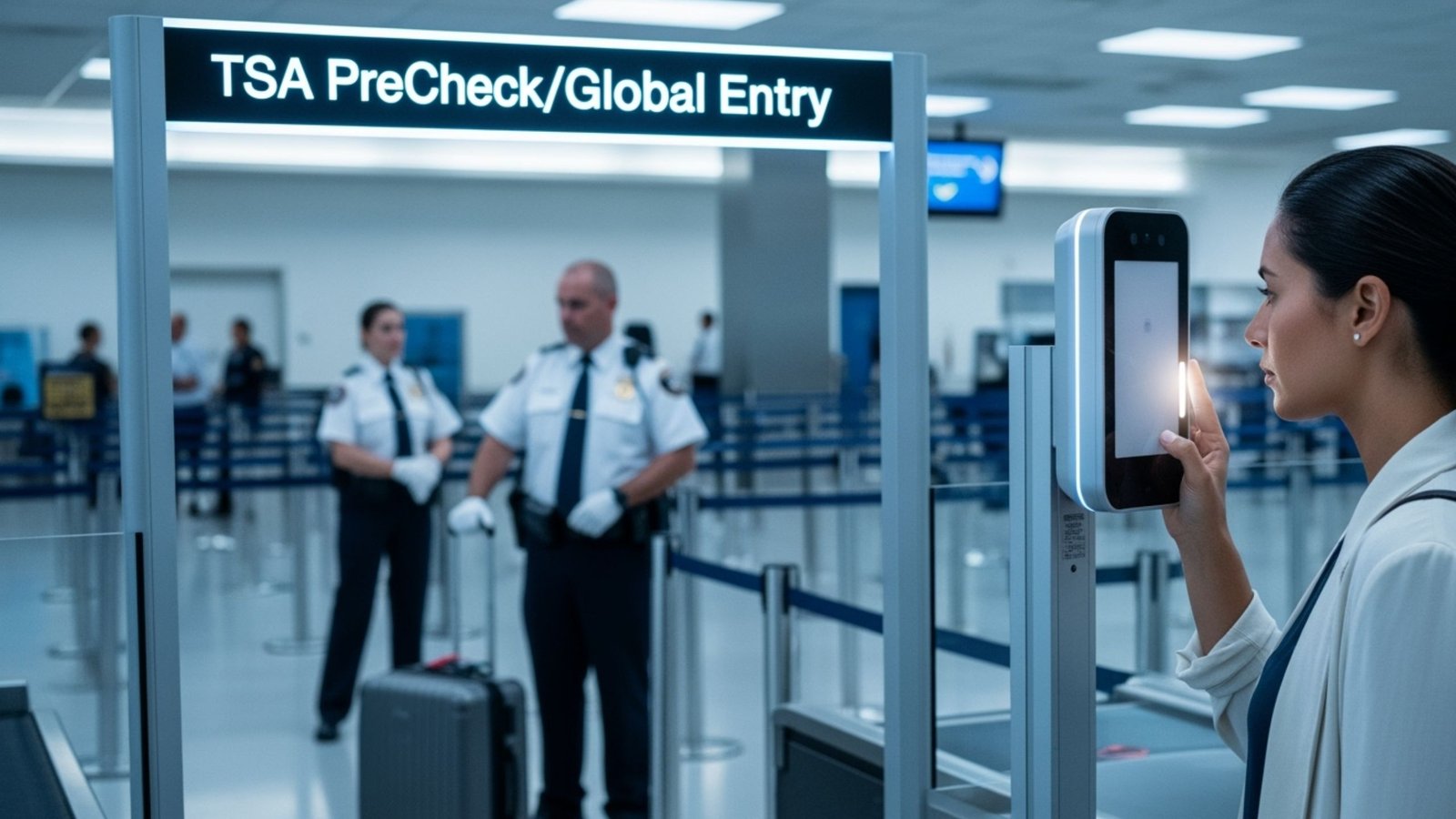
If you’ve ever stood barefoot in a long airport security line, juggling your laptop and toiletries while trying not to hold up the people behind you, you know how stressful flying can be. That’s exactly why TSA PreCheck was created.
Run by the Transportation Security Administration, TSA PreCheck is a trusted traveler program designed to make airport security faster and less intrusive for low-risk passengers. For many travelers, it transforms the entire airport experience from chaotic to efficient.
In this guide, you’ll learn what TSA PreCheck is, how it works, how much it costs, who qualifies, and whether it’s truly worth it.
What Is TSA PreCheck?
TSA PreCheck is an expedited airport security program available at more than 200 airports across the United States. Once approved, members can use dedicated security lanes that move significantly faster than standard lines.
The biggest difference? You don’t have to unpack half your carry-on bag.
With TSA PreCheck, you typically:
- Keep your shoes on
- Leave laptops inside your bag
- Keep light jackets and belts on
- Leave compliant liquids in your carry-on
While standard screening requires removing several items, TSA PreCheck simplifies the process. That convenience alone makes it appealing to frequent flyers.
How Does TSA PreCheck Work?
The process begins with an application and background check. Once approved, you’ll receive a Known Traveler Number (KTN). This number is essential—it links your identity to your trusted traveler status.
When booking flights, you enter your KTN into your airline reservation. If everything matches correctly, your boarding pass will display a TSA PreCheck indicator. That mark gives you access to the expedited lane at participating airports.
It’s important to understand that TSA PreCheck applies to security screening before departure, not to customs when returning from international travel.
How Much Does TSA PreCheck Cost?
As of 2026, TSA PreCheck costs approximately $78 to $85 for a five-year membership, depending on the enrollment provider you choose.
When broken down, that’s about $16 per year—less than many airport meals.
Even better, many travel credit cards offer reimbursement for the TSA PreCheck application fee. If you already carry a premium travel card, your membership could effectively cost you nothing.
How to Apply for TSA PreCheck
Applying is straightforward and typically takes less than 15 minutes of your time.
Step 1: Submit an Online Application
Complete the application form with basic personal information.
Step 2: Schedule an Enrollment Appointment
Choose a nearby enrollment center for identity verification and fingerprinting.
Step 3: Attend Your Appointment
Bring valid identification, such as a passport or driver’s license. The appointment itself usually takes about 10 minutes.
Step 4: Wait for Approval
Many applicants receive approval within 3–5 days, though processing can take a few weeks in some cases.
Once approved, you’ll receive your Known Traveler Number and can start using TSA PreCheck immediately when flying with participating airlines.
TSA PreCheck vs. Global Entry
Travelers often compare TSA PreCheck to Global Entry, another trusted traveler program.
Here’s the key difference:
- TSA PreCheck speeds up security screening before departure from U.S. airports.
- Global Entry speeds up customs processing when entering the U.S. from abroad and includes TSA PreCheck benefits.
If you travel internationally even a few times per year, Global Entry may offer better overall value since it includes TSA PreCheck automatically.
If you mostly fly domestically, TSA PreCheck alone is usually sufficient.
Who Is Eligible for TSA PreCheck?
TSA PreCheck is available to:
- U.S. citizens
- U.S. nationals
- Lawful permanent residents
Applicants must pass a background check. Certain criminal offenses, providing false information, or security-related concerns may result in denial.
The program is designed for low-risk travelers, which is why the vetting process exists in the first place.
Is TSA PreCheck Worth It?
For most frequent travelers, absolutely.
Consider how often you fly. If you take three or more round trips per year, you’re likely spending a significant amount of time in airport security lines. Over five years, TSA PreCheck can save you hours—if not days—of waiting.
Beyond time savings, there’s also stress reduction. Moving through security without removing shoes or unpacking electronics makes the airport experience feel smoother and more predictable.
Families benefit as well. Children 12 and under can typically use the TSA PreCheck lane when traveling with an eligible parent or guardian.
If you only fly once every couple of years, the cost may not feel justified. But for regular travelers, the value adds up quickly.
Frequently Asked Questions (FAQs)
1. How long is TSA PreCheck valid?
TSA PreCheck membership is valid for five years from the date of approval. After that, you’ll need to renew.
2. Do I always get TSA PreCheck on every flight?
Most of the time, yes—but not always. TSA occasionally conducts random security checks that may require standard screening, even for approved members.
3. Can I use TSA PreCheck for international flights?
Yes, but only for departures from U.S. airports. TSA PreCheck does not speed up customs when you return from an international trip.
4. Do all airlines participate?
Most major U.S. airlines and many international carriers operating in the U.S. participate, but not every airline is included. Always confirm that your airline supports TSA PreCheck.
5. Is the application fee refundable?
No. The TSA PreCheck fee is non-refundable, even if your application is denied.
6. Can my spouse use my TSA PreCheck?
No. Each adult traveler must apply separately. TSA PreCheck membership is individual and cannot be shared.
7. What happens if I forget to enter my Known Traveler Number?
If you forget to add your KTN when booking, you can usually update your reservation later through your airline’s website or by contacting customer service.
Final Thoughts
TSA PreCheck is one of the simplest upgrades you can make to your travel routine. For a relatively small five-year fee, you gain access to faster lines, less hassle, and a smoother airport experience.
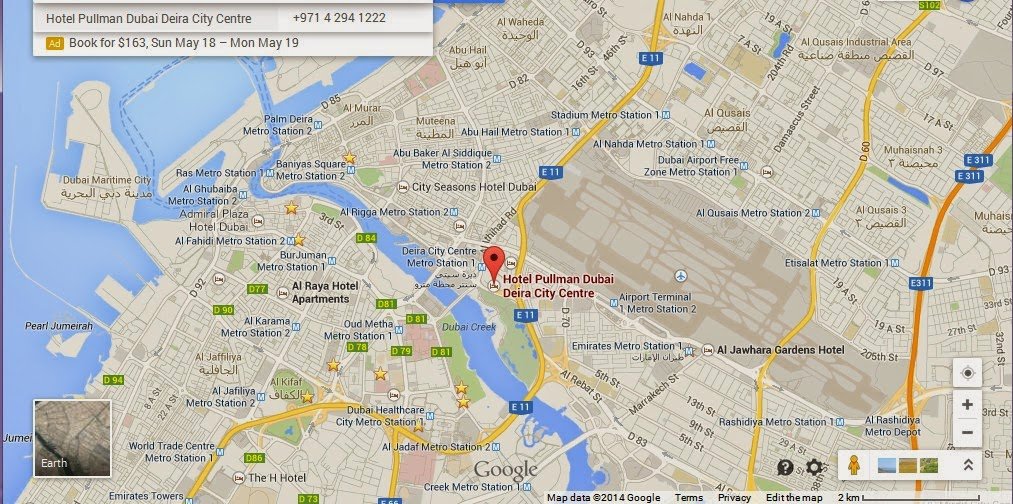
Navigating a city can be exciting, but it can also be confusing—especially when you’re trying to find your way around the busiest part of town. This is where a city center location map becomes an essential tool. Whether you are a tourist, a business professional, a student, or a local resident, having a clear map of the city center helps you move confidently and efficiently.
The city center is often the most active and important area of a city. It usually includes major landmarks, government offices, shopping districts, business hubs, restaurants, hotels, and transportation points. A well-designed city center location map gives you a clear overview of all these elements in one place.
What Is a City Center Location Map?
A city center location map is a visual representation of the central area of a city. It highlights key streets, intersections, landmarks, and services that people commonly need access to. Unlike a full city map, which may cover wide suburban areas, this map focuses specifically on the core zone where most daily activity takes place.
These maps can be found in digital formats, such as mobile apps and websites, or as printed versions in tourist centers, hotels, offices, and public spaces. Both formats serve the same purpose: helping people understand where things are located and how to reach them easily.
Why a City Center Location Map Is Important
The city center can be crowded and fast-paced. Without proper guidance, it’s easy to waste time, miss appointments, or feel overwhelmed. A city center location map offers several practical benefits:
First, it improves navigation. With clear street names and landmarks, you can quickly identify your location and choose the best route to your destination.
Second, it saves time. Instead of guessing directions or repeatedly asking for help, a map allows you to plan ahead and move with confidence.
Third, it enhances accessibility. Many city center maps show public transportation routes, metro stations, bus stops, and parking areas, making it easier to choose the most convenient travel option.
Finally, it supports better decision-making. Whether you’re selecting a hotel, planning a meeting location, or choosing a place to eat, a city center location map helps you see what’s nearby.
Who Uses City Center Location Maps?
City center location maps are useful for a wide range of people. Tourists rely on them to explore attractions, museums, shopping streets, and cultural sites. Business travelers use them to locate offices, conference venues, and hotels close to meeting points.
Real estate buyers and renters often study city center maps to evaluate how close properties are to workspaces, schools, and essential services. Event organizers include location maps to guide attendees smoothly to venues. Even local residents use these maps to discover new places or find faster routes during busy hours.
Key Features of a Good City Center Location Map
A high-quality city center location map should be easy to read and visually clear. Important features include labeled streets, recognizable landmarks, and clear symbols for transportation and services.
Good maps also show nearby facilities such as hospitals, banks, restaurants, shopping areas, and parking zones. Walking distances or estimated travel times are another helpful feature, especially for people exploring the area on foot.
In digital versions, interactive elements like zooming, live navigation, and traffic updates make the map even more effective. However, simplicity is still key—too much information can make a map confusing rather than helpful.
Digital vs Printed City Center Location Maps
Digital maps have become extremely popular due to smartphones and easy internet access. They offer real-time updates, step-by-step navigation, and location sharing. For visitors unfamiliar with the city, digital city center location maps are especially useful.
Printed maps, on the other hand, still have value. They don’t rely on battery life or internet connectivity and are often easier to scan quickly. Hotels, tourism offices, and event venues frequently provide printed city center maps for convenience.
Many people prefer using both—planning routes digitally and keeping a printed map as a backup.
How to Use a City Center Location Map Effectively
To get the most out of a city center location map, start by identifying your current position. Mark your key destinations and check the distance between them. Look for nearby transport options and note any major landmarks along the way.
If you’re visiting multiple places, planning your route in advance can help reduce travel time and avoid unnecessary backtracking. This approach makes your time in the city center more organized and enjoyable.
FAQs About City Center Location Maps
What is a city center location map used for?
It is used to help people navigate the central area of a city by showing important locations, roads, and services.
Are city center location maps helpful for tourists?
Yes, they are especially useful for tourists looking to explore attractions, hotels, shopping areas, and public transport options.
Can businesses use city center location maps?
Yes, businesses often use them to show their accessibility and proximity to major landmarks or transport hubs.
Where can I find a city center location map?
They are available online through map services, city websites, and travel platforms, as well as in printed form at hotels and tourist centers.
Do city center location maps show public transport?
Most good maps include metro lines, bus routes, stations, and nearby parking areas.

Pravi Celer: Complete Guide to Benefits, Uses, Nutrition, and FAQs

Fútbol Libre: A Complete Guide to Free Football Streaming