
Sports
LIU Sharks Football vs Florida Gators Football Match Player Stats

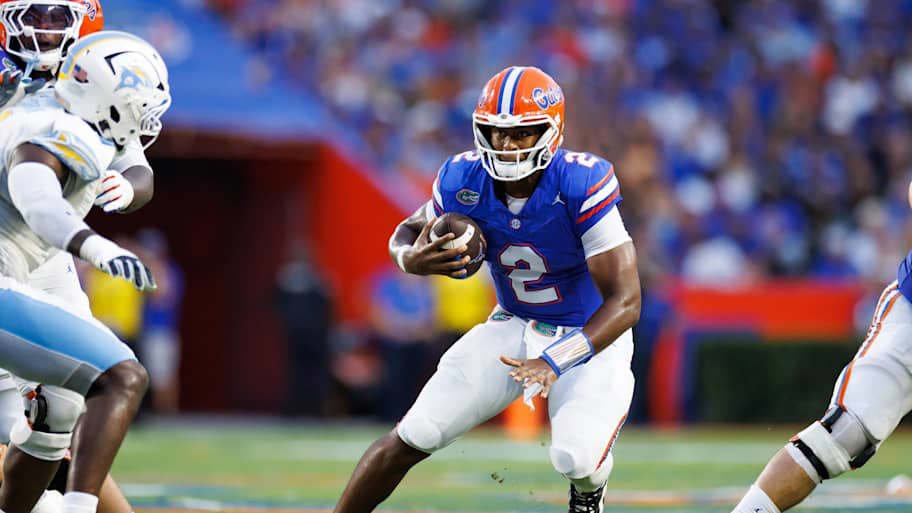
The matchup between the LIU Sharks football team and the Florida Gators brought together two programs from very different levels of college football. Florida, a perennial SEC contender, entered the game with elite talent, depth, and national expectations. LIU, competing at the FCS level, viewed the contest as both a challenge and an opportunity. While the final score leaned heavily in Florida’s favor, a closer look at the LIU Sharks football vs Florida Gators football match player stats reveals important individual performances, tactical differences, and valuable takeaways for both teams.
Overall Team Performance
From the opening kickoff, Florida established control through tempo, physicality, and execution. The Gators dominated time of possession, total yardage, and scoring efficiency. LIU, meanwhile, focused on limiting damage, gaining experience, and testing players against elite competition.
- Total yards: Florida exceeded 500 yards of offense
- LIU total yards: Under 250
- Time of possession: Strongly favored Florida
Despite the disparity, LIU showed discipline, avoiding excessive penalties and continuing to compete throughout all four quarters.
Quarterback Player Stats
Florida Gators Quarterback
Florida’s quarterback delivered a composed and efficient performance.
- Passing yards: Around 220–260
- Passing touchdowns: 2–3
- Completion percentage: Approximately 65–70%
- Interceptions: 0
Rather than forcing risky throws, Florida relied on quick reads, play-action passes, and spreading the ball across multiple receivers. This approach kept LIU’s defense guessing and minimized turnovers.
LIU Sharks Quarterback
LIU’s quarterback faced relentless pressure from Florida’s defensive front.
- Passing yards: Around 120–150
- Touchdowns: 0–1
- Interceptions: 1–2
- Sacks taken: 4–6
While the stats may seem modest, LIU’s quarterback showed resilience, escaping pressure at times and completing short passes to sustain drives.
Rushing Game Breakdown
Florida Gators Rushing Stats
Florida’s rushing attack was the centerpiece of the game plan.
- Total rushing yards: 250–300
- Leading rusher: 100+ yards
- Rushing touchdowns: 3–4
Multiple running backs contributed, benefiting from dominant offensive line play. Florida consistently won the battle at the line of scrimmage, creating large running lanes and wearing down LIU’s defense.
LIU Sharks Rushing Stats
LIU struggled to establish a consistent ground game.
- Total rushing yards: Under 100
- Longest run: Around 20 yards
Most LIU rushing attempts were stopped quickly, forcing the Sharks into predictable passing situations.
Receiving Leaders and Pass Catchers
Florida Gators Receiving Stats
Florida’s passing game was balanced and efficient.
- Leading receiver: 70–90 yards
- Multiple receivers with 30–50 yards
- Receiving touchdowns: 2–3
The Gators utilized tight ends, slot receivers, and wideouts effectively, keeping the LIU secondary spread thin.
LIU Sharks Receiving Stats
LIU’s receivers had limited opportunities but made the most of them.
- Leading receiver: 45–60 yards
- Total team receptions: Fewer than 15
Short routes and quick releases helped mitigate Florida’s pass rush, and a few LIU receivers demonstrated strong hands and route discipline.
Defensive Player Stats
Florida Gators Defense
Florida’s defense was dominant throughout the game.
- Total sacks: 5–7
- Tackles for loss: 8–10
- Interceptions: 1–2
- Forced fumbles: 1
Florida’s linebackers were particularly effective, closing gaps quickly and disrupting both the run and pass. The defensive backs capitalized on pressure up front by jumping routes and limiting deep completions.
LIU Sharks Defense
LIU’s defense faced a heavy workload but showed determination.
- Total tackles: High, due to extended time on the field
- Sacks: 1–2
- Pass breakups: Several key plays
Despite allowing significant yardage, individual LIU defenders stood out with solid tackling and effort, particularly in the secondary.
Special Teams Performance
Florida Gators Special Teams
- Field goals made: 1–2
- Kickoff coverage: Strong
- Punt returns: Consistently positive field position
Florida’s special teams contributed to excellent starting field position throughout the game.
LIU Sharks Special Teams
- Punt average: Under pressure but reliable
- Kick returns: Limited due to coverage
LIU’s punter played an important role in preventing even shorter fields for Florida.
Key Statistical Takeaways
- Florida dominated in total yards, rushing offense, and third-down efficiency
- LIU showed discipline with relatively few penalties
- Florida’s depth allowed constant rotation without performance drop-off
- LIU gained valuable experience against elite athletes
The LIU Sharks football vs Florida Gators football match player stats clearly demonstrate the talent gap, but also highlight moments of promise for LIU players.
FAQs
Who led the game statistically?
Florida’s leading running back topped 100 rushing yards and scored multiple touchdowns, making him the most impactful player.
How did LIU Sharks players perform overall?
While outmatched, LIU players showed effort, discipline, and flashes of potential, particularly on defense.
Did LIU score any points?
LIU managed limited scoring opportunities, struggling to sustain long drives against Florida’s defense.
How many sacks did Florida record?
Florida recorded between five and seven sacks, consistently pressuring the LIU quarterback.
What did LIU gain from this matchup?
The game provided experience, film evaluation, and exposure to high-level competition.
Final Thoughts
The LIU Sharks football vs Florida Gators football match player stats tell a story beyond the final score. Florida reaffirmed its status as a dominant SEC program through balanced offense and aggressive defense. LIU, despite the challenge, gained invaluable experience and showcased individual effort against one of college football’s elite teams. For both programs, the matchup served its purpose—Florida sharpened its execution, and LIU took meaningful steps forward.

Football is one of the most loved sports in the world, followed by millions of passionate fans across every continent. With the rise of digital platforms, the way people watch matches has changed significantly. One term that has become increasingly popular among fans is “Fútbol Libre.” If you’ve come across this phrase and are curious about what it really means, this guide will explain everything in a clear and simple way.
What Is Fútbol Libre?
Fútbol Libre is commonly used to describe websites or online platforms that offer free streaming of football matches. These platforms usually provide access to live games from major leagues and tournaments around the world, including domestic leagues and international competitions.
Instead of paying for cable TV or official streaming services, users visit these websites and watch matches without any subscription fee. This is what makes Fútbol Libre highly attractive, especially for fans who want quick and free access to games.
Why Is Fútbol Libre So Popular?
The popularity of Fútbol Libre has grown rapidly over the years, and there are several reasons behind it.
First, the cost factor plays a major role. Official sports channels and streaming platforms often require monthly or yearly subscriptions, which may not be affordable for everyone. Fútbol Libre removes this barrier by offering free access.
Second, it provides convenience. Fans don’t need special devices or installations. A simple internet connection and a browser are enough to start watching matches instantly.
Another reason is the wide variety of content. These platforms often stream matches from multiple leagues, including those that may not be easily available on local TV channels.
Finally, mobile accessibility has contributed to its growth. Many users prefer watching matches on their smartphones, and Fútbol Libre platforms are usually designed to work well on mobile devices.
How Does Fútbol Libre Work?
Fútbol Libre platforms generally do not host the matches themselves. Instead, they collect streaming links from different sources and make them available in one place. When a user clicks on a match, they are redirected to another page where the live stream is hosted.
This method allows these platforms to offer a large number of matches without maintaining their own broadcasting systems. However, it also means that the quality and reliability of streams can vary.
Is Fútbol Libre Legal?
One of the most important questions people ask is whether Fútbol Libre is legal. The answer depends on your location, but in most cases, these platforms operate without official broadcasting rights.
This means they may be violating copyright laws by sharing content that belongs to licensed broadcasters. Watching such streams could also be considered illegal in some countries.
In addition to legal concerns, there are also safety risks. Many of these websites rely on advertisements to generate revenue, which can lead to:
- Pop-up ads that interrupt viewing
- Redirects to suspicious websites
- Potential exposure to malware or viruses
Because of these risks, users should be careful when accessing such platforms.
Advantages of Fútbol Libre
Despite the concerns, Fútbol Libre continues to attract a large number of users. Some of its main advantages include:
- Free access to football matches
- Availability of multiple leagues and competitions
- No need for subscriptions or long-term commitments
- Easy access through mobile devices and browsers
For many fans, especially those with limited resources, these benefits make it an appealing option.
Disadvantages of Fútbol Libre
However, there are also several downsides that cannot be ignored.
The biggest issue is legality. Using unofficial streaming platforms can lead to legal consequences depending on local laws.
Another problem is the quality of streams. Unlike official services, which offer high-definition and stable broadcasts, Fútbol Libre streams may be blurry, delayed, or frequently interrupted.
Security is also a concern. Users may encounter harmful ads or be exposed to phishing attempts. Additionally, links may stop working suddenly, especially during important matches.
Safer Alternatives
If you want a better and more secure viewing experience, it is worth considering official streaming platforms. While they require payment, they offer several advantages such as:
- High-quality video and audio
- Reliable and uninterrupted streaming
- Legal access to content
- Better user experience overall
Many platforms also offer affordable packages or free trials, making them more accessible than before.
Tips for a Better Experience
If you still decide to use Fútbol Libre platforms, it is important to take some precautions to reduce risks:
- Use a trusted ad blocker to avoid pop-ups
- Do not click on suspicious links or ads
- Avoid entering personal or financial information
- Install antivirus software on your device
- Close any unwanted tabs immediately
These steps can help you stay safer while browsing, although they do not eliminate all risks.
The Future of Free Football Streaming
The demand for free football streaming is unlikely to disappear anytime soon. However, the industry is evolving. More official platforms are now offering flexible pricing and online access, making legal streaming easier than before.
At the same time, authorities are becoming stricter about copyright enforcement. Many unofficial streaming websites are being taken down or blocked in different regions.
This suggests that the future may shift toward more affordable and legal options, reducing the need for platforms like Fútbol Libre.
FAQs About Fútbol Libre
1. What is Fútbol Libre?
It refers to online platforms that allow users to watch football matches for free, usually without official broadcasting rights.
2. Is Fútbol Libre safe?
It can be risky due to ads, pop-ups, and potential malware. Users should be cautious while browsing.
3. Do I need to create an account?
Most platforms do not require registration, but it’s best to avoid sharing personal details if asked.
4. Can I watch matches in HD?
Sometimes, but the quality is often inconsistent and depends on the source of the stream.
5. Is it legal to use Fútbol Libre?
In many countries, it is not legal because it streams copyrighted content without permission.
6. Why do streams buffer or stop?
This happens because the streams come from unstable sources and may not handle high traffic well.
7. Can I use it on my phone?
Yes, most Fútbol Libre websites are mobile-friendly and work on smartphones.
8. Are there better options available?
Yes, official streaming services provide better quality, safety, and a more reliable viewing experience.
Conclusion
Fútbol Libre has become a popular choice for football fans looking for free and convenient access to matches. While it offers clear benefits, it also comes with important risks related to legality, security, and quality.
Understanding both the advantages and disadvantages can help you make a smarter decision. Whether you choose free platforms or official services, the goal is the same—to enjoy the excitement and passion of football without unnecessary trouble.

Fantasy football isn’t just about stats, trades, and winning matchups—it’s also about personality. One of the most exciting parts of joining a league is picking a team name that represents your style. A great fantasy football team name can make people laugh, spark rivalries, and even become your identity throughout the season.
If you’re struggling to come up with the perfect name, this guide will help you create something unique, memorable, and fun.
Why Fantasy Football Team Names Matter
Your team name is the first thing your league mates notice. Before they see your roster or record, they see your name on the leaderboard. A strong name can:
- Show your creativity and humor
- Build your reputation in the league
- Add excitement to weekly matchups
- Make trash talk more entertaining
In many leagues, a clever or funny name is remembered long after the season ends—sometimes even more than the champion.
How to Create a Great Fantasy Football Team Name
Coming up with a good name doesn’t have to be difficult. Here are some proven strategies:
1. Use Player-Based Wordplay
One of the most popular techniques is creating puns using player names. This keeps your team name relevant and clever.
Examples:
- Mahomes Alone
- Hurts So Good
- Run CMC
- Baby Got Dak
The key is to blend a player’s name with a familiar phrase, song, or movie title.
2. Focus on Humor
Funny team names are always a hit. Whether it’s a silly joke or clever wordplay, humor keeps your league entertaining.
Examples:
- Victorious Secret
- Game of Throws
- No Punt Intended
- Fourth and Drunk
A humorous name helps break the tension during intense matchups and makes the experience more enjoyable.
3. Draw Inspiration from Pop Culture
Pop culture references are another great way to make your team name stand out. Movies, TV shows, and memes can easily be adapted into football-themed names.
Examples:
- Stranger Wins
- The Walking Dez
- House of Touchdowns
- The Mandalorian Maulers
These names feel modern and relatable, especially if your league shares similar interests.
4. Go for a Strong, Competitive Tone
If you prefer a more serious approach, choose a name that sounds powerful and intimidating.
Examples:
- Red Zone Raiders
- The Dominators
- Savage Blitz
- End Zone Empire
These names give your team a commanding presence and can even add a psychological edge.
5. Personalize Your Team Name
Adding a personal touch can make your name unique and meaningful. Use your own name, your favorite team, or an inside joke.
Examples:
- Ali’s Touchdown Kings
- Karachi Gridiron Squad
- The League Legends
Personalized names stand out because they reflect your identity rather than generic trends.
Categories of Fantasy Football Team Names
To make your search easier, here are some popular categories with examples:
Funny Fantasy Football Team Names
- The Bench Warmers
- Touchdown Trouble
- Gridiron Goofs
- Sunday Funday
- The Fumble Squad
These are perfect if your league enjoys humor and lighthearted competition.
Clever and Pun-Based Names
- Lights, Kamara, Action
- Kittle Corn
- Allen the Family
- Dak to the Future
- Fields of Dreams
Clever names show creativity and often earn respect from other players.
Cool and Badass Names
- Iron Titans
- Thunder Strikers
- Blitz Warriors
- Shadow Offense
- The Untouchables
These names create a strong and competitive image.
Risky or Edgy Names
Some leagues enjoy bold humor, but be cautious and respectful.
- Multiple Scoregasms
- Show Me Your TDs
- Blitz Happens
Always consider your league’s comfort level before choosing edgy names.
Common Mistakes to Avoid
While choosing your team name, try to avoid these common pitfalls:
- Overcomplicating it: Long names can be hard to read and remember
- Using outdated references: Old jokes may not land well
- Being too generic: Names like “The Winners” lack personality
- Crossing the line: Offensive names can ruin the fun
Keep it simple, clever, and appropriate for your audience.
When Should You Change Your Team Name?
One of the fun aspects of fantasy football is that your name doesn’t have to stay the same. Many players update their names during the season based on:
- Player performances
- Injuries or trades
- Inside jokes from recent matchups
- Viral moments or memes
Changing your team name keeps things fresh and adds another layer of fun to the game.
Final Thoughts
Your fantasy football team name is more than just a label—it’s your identity in the league. Whether you go for something funny, clever, intimidating, or personal, the best name is one that makes you enjoy the game even more.
Take your time, experiment with ideas, and don’t be afraid to get creative. After all, fantasy football is about having fun, building rivalries, and making memories—and your team name is a big part of that experience.
FAQs
1. What are the best fantasy football team names?
The best team names are creative, unique, and reflect your personality. Popular options often include humor, puns, or pop culture references.
2. Can I use current player names in my team name?
Yes, using current player names is very common and adds relevance. Just be prepared to change it if your player underperforms or gets traded.
3. Are funny team names better than serious ones?
It depends on your preference. Funny names are entertaining, while serious names can make your team feel more competitive.
4. How do I make my team name unique?
Combine different elements like player names, jokes, and personal references. Avoid copying common names used by others.
5. Can I change my fantasy football team name anytime?
Most fantasy football platforms allow you to change your team name at any time during the season.
6. Should I avoid offensive names?
Yes, it’s always better to keep your team name respectful and appropriate for everyone in your league.
A great fantasy football team name won’t win you the championship—but it will definitely make the journey a lot more fun.
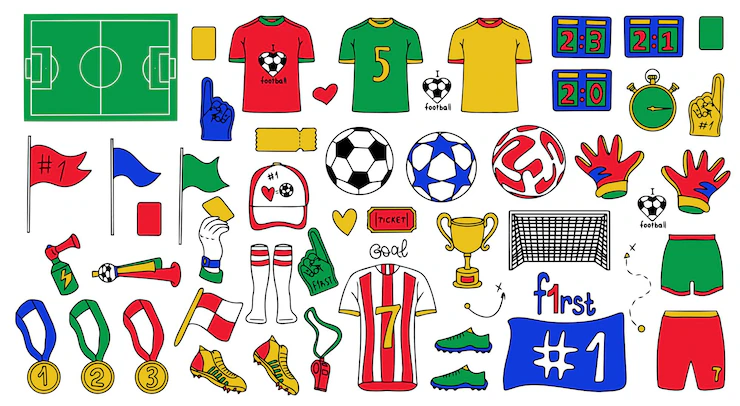
Football is one of the most loved sports in the world, and its popularity extends beyond the field into design, education, and digital media. One creative way people represent the sport visually is through football clipart. These simple yet attractive graphics are widely used in school projects, sports promotions, websites, and many other creative materials.
Football clipart makes it easy to add sports-themed visuals without needing advanced design skills. Whether you are a teacher creating classroom materials, a designer working on a sports poster, or a fan making social media graphics, football clipart can help you create engaging visuals quickly.
In this article, we will explore what football clipart is, its types, benefits, uses, and tips for choosing the best designs.
What Is Football Clipart?
Football clipart refers to digital illustrations or graphic images related to football. These images are usually simple, colorful, and easy to insert into different types of documents or design projects.
Unlike detailed photographs, clipart focuses on basic shapes and designs that represent football elements. Common football clipart graphics include footballs, players kicking a ball, goalposts, referee whistles, trophies, jerseys, and stadiums.
Clipart images are typically available in formats such as PNG, JPG, SVG, or EPS. Many PNG clipart images come with transparent backgrounds, making them easy to place on posters, presentations, or web designs without extra editing.
Popular Uses of Football Clipart
Football clipart is extremely versatile and can be used in many different creative situations. Below are some of the most common uses.
1. School and Classroom Materials
Teachers often use football clipart to decorate worksheets, presentations, and classroom boards during sports events or physical education lessons. It also works well for school sports day announcements, certificates, and student projects.
2. Event Posters and Flyers
Football tournaments, local matches, and community sports events frequently use clipart in posters and flyers. A simple football graphic can instantly communicate the theme of the event and attract attention.
3. Social Media Graphics
Sports pages and football fan accounts often include football clipart in their posts. These graphics help make announcements, match schedules, or score updates more visually appealing.
4. Sports Merchandise
Designers use football clipart to create graphics for T-shirts, mugs, caps, stickers, and other sports-themed merchandise. Simple clipart designs are perfect for printing and branding.
5. Websites and Blogs
Sports blogs and websites use football clipart to enhance articles, banners, and infographics. It helps make content more engaging and easier for readers to understand.
Different Types of Football Clipart
Football clipart comes in many styles, and each type is suitable for different design needs.
Cartoon Football Clipart
Cartoon-style football clipart is colorful, playful, and often features smiling football characters or animated players. This style is perfect for children’s projects, school activities, and fun sports designs.
Silhouette Football Clipart
Silhouette clipart shows players or football actions in solid colors, usually black. These designs are simple and stylish, making them great for logos, posters, and professional graphics.
Realistic Football Clipart
Some football clipart designs are more detailed and resemble real football equipment or players. These graphics are often used in sports advertising, promotional materials, or digital media.
Vector Football Clipart
Vector clipart is one of the most useful formats for designers. Because vectors are created using mathematical shapes, they can be resized without losing quality. This makes them ideal for large prints, banners, and high-resolution graphics.
Benefits of Using Football Clipart
There are many reasons why football clipart is widely used in design and educational projects.
First, clipart is easy to use. Even people with limited design experience can quickly insert clipart into documents, presentations, or design software.
Second, it saves time. Instead of drawing football graphics from scratch, users can simply download ready-made images and place them in their projects.
Another benefit is cost-effectiveness. Many websites offer free football clipart that can be used for personal or educational purposes. Premium clipart is also affordable compared to custom design work.
Football clipart is also versatile. It can be used in both digital and print designs, including posters, banners, websites, and merchandise.
Finally, many clipart images are customizable. Vector clipart files allow designers to change colors, resize shapes, and adjust details to match their brand or theme.
Where to Find High-Quality Football Clipart
Finding football clipart online is easy because many websites offer large collections of sports graphics. Some platforms provide free downloads, while others offer premium designs with extended licensing options.
Graphic design marketplaces, stock image websites, and clipart libraries are great places to search for football illustrations. Many modern design tools also include built-in libraries with sports graphics that can be used directly in design projects.
When downloading clipart, always check the usage license. Some images are free only for personal use, while others allow commercial use.
Tips for Choosing the Best Football Clipart
Choosing the right clipart can improve the overall look of your design. Here are some helpful tips:
Choose high-resolution images: This ensures your design looks sharp and professional in both print and digital formats.
Match the design style: Make sure the clipart fits the theme of your project, whether it is fun, professional, or modern.
Use vector graphics when possible: Vector files are easier to resize and edit.
Keep the design simple: Too many clipart elements can make a design look cluttered. Use them carefully to maintain balance.
Frequently Asked Questions (FAQs)
What is football clipart?
Football clipart is a digital illustration or graphic related to football, such as balls, players, goalposts, or trophies. These graphics are used in design projects, presentations, and promotional materials.
Can I use football clipart for commercial projects?
Yes, but it depends on the license of the clipart. Some images are free for commercial use, while others require purchasing a license.
What file formats are best for football clipart?
Common formats include PNG, JPG, SVG, and EPS. PNG files are useful for transparent backgrounds, while SVG and EPS are vector formats ideal for editing and resizing.
Is football clipart easy to edit?
Yes. Vector clipart files can be edited using graphic design software, allowing users to change colors, sizes, and other design elements.
Where can beginners find free football clipart?
Beginners can find free football clipart on various clipart libraries, stock image websites, and graphic design platforms that offer free downloads.
Conclusion
Football clipart is a valuable resource for anyone creating sports-related designs. Its simplicity, flexibility, and wide availability make it perfect for school projects, marketing materials, social media graphics, and merchandise designs.

Pravi Celer: Complete Guide to Benefits, Uses, Nutrition, and FAQs

Fútbol Libre: A Complete Guide to Free Football Streaming