
Health
Pulmonary Embolism: A Serious Condition You Shouldn’t Ignore

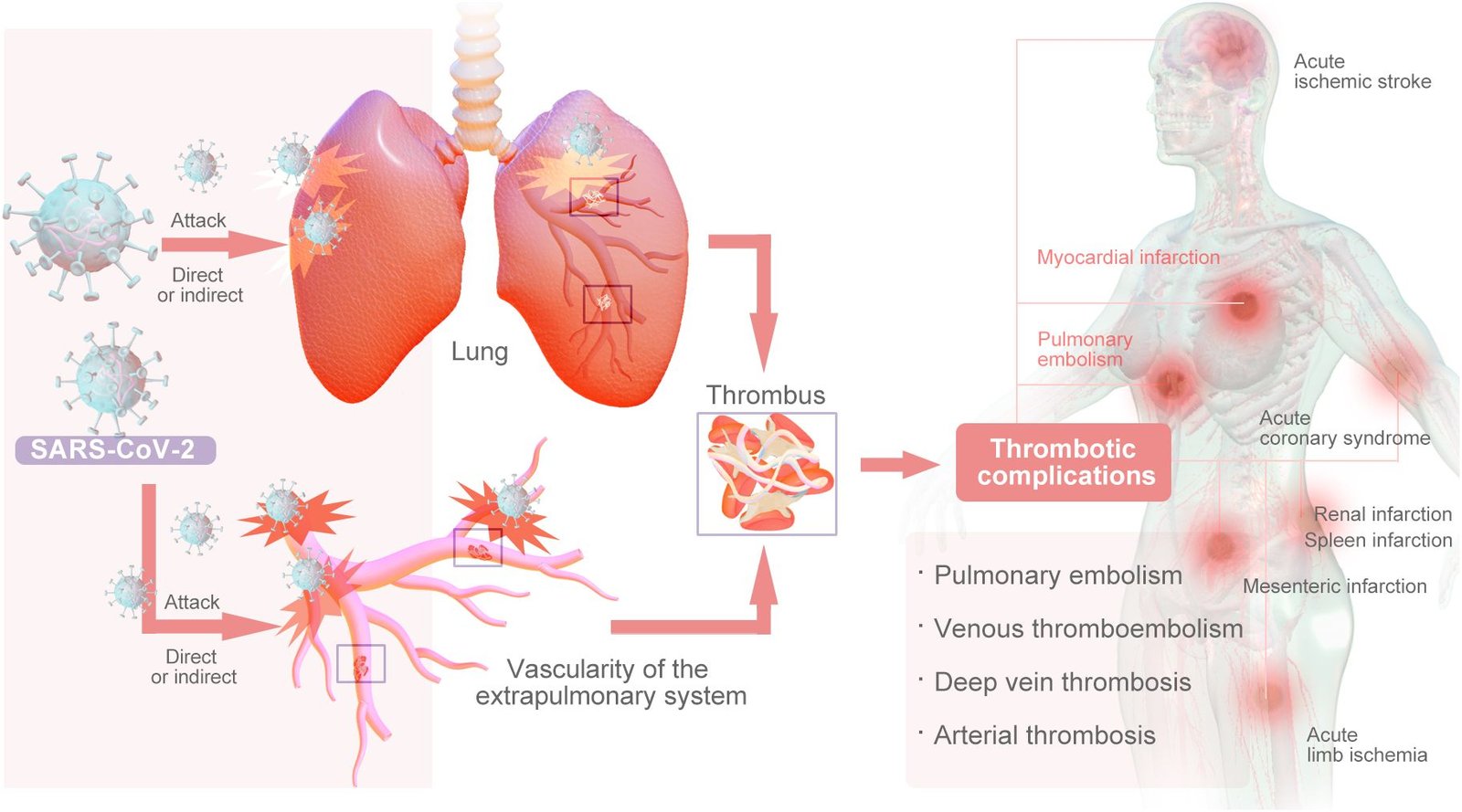
Pulmonary embolism is a medical emergency that happens when a blood clot blocks blood flow to the lungs. While it may sound rare or extreme, it’s more common than many people realize—and it can become life-threatening if not treated quickly.
Most pulmonary embolisms start somewhere else in the body, usually in the legs. A clot forms in a deep vein, breaks loose, and travels through the bloodstream until it gets stuck in the lungs. When this happens, oxygen levels can drop, the heart has to work harder, and lung tissue can be damaged.
What Exactly Is Pulmonary Embolism?
A pulmonary embolism (often called PE) occurs when a clot blocks one of the pulmonary arteries in the lungs. These arteries are responsible for carrying blood from the heart to the lungs so it can pick up oxygen. When blood flow is blocked, part of the lung doesn’t get enough oxygen, and the body can quickly become stressed.
The severity of a pulmonary embolism depends on how big the clot is and how many blood vessels are affected. Some clots are small and treatable, while others can be sudden and deadly without immediate care.
Common Causes and Risk Factors
The most common cause of pulmonary embolism is deep vein thrombosis (DVT), where clots form in the legs or pelvis. Several everyday and medical factors can increase the risk, including:
- Sitting or lying still for long periods (long flights, bed rest)
- Recent surgery or injury
- Pregnancy and childbirth
- Cancer or cancer treatments
- Smoking
- Obesity
- Hormone-based medications, including birth control pills
- A personal or family history of blood clots
Some people also have inherited conditions that make their blood clot more easily.
Signs and Symptoms to Watch For
Pulmonary embolism symptoms often appear suddenly and should never be ignored. They may include:
- Sudden shortness of breath
- Sharp or stabbing chest pain, especially when breathing deeply
- Fast or irregular heartbeat
- Coughing, sometimes with blood
- Feeling lightheaded, faint, or anxious
- Unexplained sweating
In severe cases, pulmonary embolism can lead to collapse, low blood pressure, or sudden death, which is why fast medical care is critical.
How Pulmonary Embolism Is Diagnosed
Because symptoms can look like a heart attack or lung infection, diagnosing pulmonary embolism can be tricky. Doctors usually rely on a mix of tests and medical history, including:
- Blood tests to check clot levels
- CT scans of the lungs
- Ultrasound of the legs to find clots
- Chest X-rays and heart tests to rule out other causes
Early diagnosis can make a huge difference in recovery and survival.
Treatment and Recovery
Treatment depends on how serious the embolism is. Most patients are treated with blood-thinning medications that prevent clots from growing and stop new ones from forming. In more severe cases, doctors may use clot-dissolving drugs or procedures to remove the clot directly.
Some people need treatment for several months, while others may require long-term medication to prevent future clots. With proper care, many people recover fully and return to normal life.
Can Pulmonary Embolism Be Prevented?
While not every case can be prevented, risk can be reduced. Staying active, moving regularly during long trips, staying hydrated, quitting smoking, and following medical advice after surgery or during pregnancy all help lower the chances of blood clots forming.
Frequently Asked Questions (FAQs)
Is pulmonary embolism always fatal?
No. Many people survive pulmonary embolism, especially when it’s diagnosed and treated early.
How long does recovery take?
Recovery varies. Some people feel better within weeks, while others may take months to fully regain strength.
Can pulmonary embolism come back?
Yes, especially if risk factors remain. Some patients need long-term medication to prevent recurrence.
Can you have pulmonary embolism without symptoms?
Yes. Small clots may cause few or no symptoms and are sometimes discovered by accident.
When should I go to the hospital?
Go immediately if you experience sudden shortness of breath, chest pain, coughing up blood, or unexplained dizziness.

Pravi celer, often translated as “real celery,” refers to fresh, natural celery in its purest form. Known for its crisp texture and refreshing taste, celery has been used for centuries in both cooking and natural medicine. Today, it is widely recognized as a nutrient-rich vegetable that supports overall health and wellness.
In this article, we’ll explore everything you need to know about pravi celer, including its nutritional value, health benefits, uses, and frequently asked questions.
What Is Pravi Celer?
Pravi celer is simply unprocessed celery that includes its stalks, leaves, and sometimes even the root. Unlike canned or artificially flavored celery products, pravi celer is consumed fresh and retains all its natural nutrients.
Celery is a member of the Apiaceae family, which also includes parsley, carrots, and fennel. It is widely used in cuisines around the world due to its mild flavor and versatility.
Nutritional Profile of Pravi Celer
One of the reasons pravi celer is so popular in healthy diets is its impressive nutritional composition despite being very low in calories.
A typical serving of celery contains:
- Calories: Very low (around 14 per 100g)
- Water content: Approximately 95%
- Fiber: Supports digestion
- Vitamin K: Essential for bone health
- Vitamin C: Boosts immunity
- Vitamin A: Good for vision and skin
- Potassium: Supports heart health
- Folate: Important for cell function
In addition, celery is rich in antioxidants such as flavonoids and polyphenols, which help protect the body from oxidative stress.
Health Benefits of Pravi Celer
1. Improves Digestive Health
Pravi celer is a good source of dietary fiber, which promotes healthy digestion and prevents constipation. It also contains natural compounds that may support the gut lining and reduce inflammation in the digestive tract.
2. Keeps the Body Hydrated
Due to its high water content, celery helps maintain hydration levels in the body. This is especially beneficial in warm climates or after physical activity.
3. Supports Heart Health
Celery contains compounds like phthalides that may help relax blood vessels, improving blood flow and lowering blood pressure. Its potassium content also contributes to maintaining a healthy cardiovascular system.
4. Rich in Antioxidants
The antioxidants found in pravi celer help combat free radicals, reducing the risk of chronic diseases such as heart disease and certain types of cancer.
5. Aids in Weight Loss
Low in calories and high in fiber, celery is an excellent snack for those trying to lose weight. It helps you feel full longer without adding excessive calories to your diet.
6. May Help Reduce Inflammation
Chronic inflammation is linked to many health conditions. Celery contains anti-inflammatory compounds that may help reduce inflammation naturally.
7. Supports Detoxification
Celery is often used in detox diets because it may help flush toxins from the body and support liver function. While the body naturally detoxifies itself, celery can support this process.
How to Use Pravi Celer
Pravi celer is incredibly versatile and can be incorporated into your diet in many ways:
Raw Consumption
Celery can be eaten raw as a crunchy snack. Pair it with hummus, peanut butter, or yogurt dips for added flavor.
Juicing
Celery juice has become very popular as a morning health drink. Drinking it on an empty stomach is believed to support digestion and hydration.
Cooking
Celery is commonly used as a base ingredient in soups, stews, and sauces. It adds depth of flavor and nutrition.
Smoothies
You can blend celery with fruits like apples, bananas, or oranges for a refreshing and nutritious smoothie.
Salads
Chopped celery adds a crisp texture to salads and pairs well with other vegetables.
Using Celery Leaves
Don’t discard the leaves—they are rich in nutrients and can be used as herbs in cooking or garnishing.
Tips for Buying and Storing Celery
To get the most benefits from pravi celer, it’s important to choose and store it properly:
- Select firm, tightly packed stalks with a bright green color
- Avoid celery that looks wilted or has brown spots
- Store in the refrigerator to keep it fresh
- Wrap it in aluminum foil or plastic to retain moisture
- Wash thoroughly before use
Proper storage can keep celery fresh for up to two weeks.
FAQs About Pravi Celer
1. What does “pravi celer” mean?
It means “real celery” and refers to fresh, natural celery that hasn’t been processed.
2. Is celery juice really healthy?
Celery juice is hydrating and contains beneficial nutrients. While it’s healthy, it should be part of a balanced diet rather than a miracle solution.
3. Can I eat celery every day?
Yes, celery is safe for daily consumption for most people. However, moderation is important, as excessive intake may cause digestive discomfort in some individuals.
4. Is celery good for skin health?
Yes, the antioxidants and vitamins in celery may support healthy, glowing skin.
5. Does celery help with bloating?
Celery may help reduce bloating due to its water content and digestive benefits.
6. Are there any side effects of celery?
Celery is generally safe, but some people may experience allergic reactions. Also, excessive consumption may lead to digestive issues.
7. Which is better: celery stalks or juice?
Both are beneficial. Eating whole celery provides fiber, while juice offers quick hydration and nutrient absorption.
8. Can celery help lower blood pressure?
Yes, celery contains natural compounds that may support lower blood pressure levels when combined with a healthy lifestyle.
Conclusion
Pravi celer is a simple yet powerful vegetable that deserves a place in your daily diet. Packed with essential nutrients, antioxidants, and hydration benefits, it supports digestion, heart health, and overall well-being. Its versatility makes it easy to include in meals, whether raw, cooked, or juiced.
By incorporating pravi celer into your routine, you can take a natural step toward a healthier and more balanced lifestyle.

When people ask what is trump’s life expectancy, they are usually trying to understand how long a public figure like Donald Trump might live based on age, lifestyle, and health factors. While no one can predict an exact lifespan, we can analyze key elements like genetics, medical history, and general life expectancy trends to get a realistic idea.
In this article, we’ll break down everything in simple terms—without speculation or misinformation—so you can clearly understand how life expectancy works and how it may apply to Trump.
What Is Trump’s Life Expectancy?
The question what is trump’s life expectancy does not have a fixed answer. Life expectancy is not a guaranteed number—it is an estimate based on statistics and personal health factors.
As of now:
- Donald Trump was born in 1946
- He is in his late 70s
- The average life expectancy for men in the U.S. is around 73–76 years, but this varies widely
However, many people live well beyond average life expectancy, especially with access to quality healthcare.
Key Factors That Influence Life Expectancy
To better understand what is trump’s life expectancy, we need to look at the main factors that affect how long someone may live.
1. Age and Current Health
Trump is already past the average life expectancy range. This is actually a positive indicator, because:
- The longer someone lives, the higher their chances of living even longer
- Many individuals in their late 70s can live into their 80s or 90s
2. Access to Healthcare
As a former U.S. president, Trump has access to top-level healthcare. This includes:
- Regular medical checkups
- Early detection of diseases
- Advanced treatments
This significantly increases the chances of a longer life.
3. Lifestyle Habits
Lifestyle plays a huge role in determining life expectancy.
Reported habits include:
- Non-smoker
- Limited alcohol use
- Preference for fast food (less healthy factor)
- Low physical exercise compared to recommended levels
These mixed factors create a balanced but not perfect health profile.
4. Family History (Genetics)
Genetics are extremely important when estimating what is trump’s life expectancy.
- Trump’s father lived to 93 years
- His mother lived to 88 years
This suggests strong genetic potential for longevity.
Medical Reports and Public Health Information
Over the years, official medical reports have described Trump’s health as generally good for his age.
Some highlights include:
- Normal cognitive function
- Stable cardiovascular condition (with monitoring)
- Weight considered slightly above ideal range
While these reports are not deeply detailed, they suggest no immediate major health risks.
How Life Expectancy Works (Simple Explanation)
Life expectancy is based on probability—not certainty.
Here’s how it works:
- It uses data from millions of people
- It considers age, gender, and health
- It adjusts as a person gets older
For example:
- A man at birth may have a life expectancy of 75
- But if he reaches 78, his new expected lifespan may extend to 85+
So when asking what is trump’s life expectancy, the estimate increases because he has already reached an older age.
Estimated Life Expectancy Range
Based on all available factors, experts would typically estimate:
Possible range:
- Early 80s (lower estimate)
- Mid to late 80s (realistic average)
- 90+ (possible with strong health and genetics)
This is not a prediction—just a statistical range.
Why People Are Curious About Trump’s Life Expectancy
The question what is trump’s life expectancy is often searched because:
- He is a major political figure
- His age is relevant to leadership discussions
- People are curious about longevity in high-stress roles
Public figures naturally attract more attention regarding health and aging.
Benefits of Understanding Life Expectancy
Learning about life expectancy—even for someone like Trump—can help you:
- Understand how aging works
- Make better health decisions
- Focus on lifestyle improvements
- Realize the importance of genetics and prevention
It’s not just about one person—it’s about applying the knowledge to your own life.
Common Misconceptions
Life expectancy is a fixed number
It changes over time based on health and age.
Wealth guarantees a longer life
It helps, but lifestyle and genetics still matter.
Older age means less time left
Not always—many people live decades beyond expectations.
FAQs About What Is Trump’s Life Expectancy
1. What is Trump’s life expectancy right now?
There is no exact number, but estimates suggest he could live into his mid-to-late 80s based on current data.
2. Does Trump’s lifestyle affect his life expectancy?
Yes. Diet, exercise, and daily habits all influence longevity, even with good healthcare.
3. Is Trump considered healthy for his age?
Public medical reports have described him as generally healthy, though not without minor concerns.
4. Can genetics really impact life expectancy?
Absolutely. Trump’s parents lived long lives, which increases his chances of longevity.
Final Thoughts
So, what is trump’s life expectancy? The honest answer is that no one can predict it exactly. However, based on age, genetics, healthcare access, and current health, it is reasonable to expect that Donald Trump could live well into his 80s or beyond.
The bigger takeaway is this: life expectancy is not just about numbers—it’s about choices. Healthy habits, regular checkups, and awareness can make a huge difference in how long and how well we live.
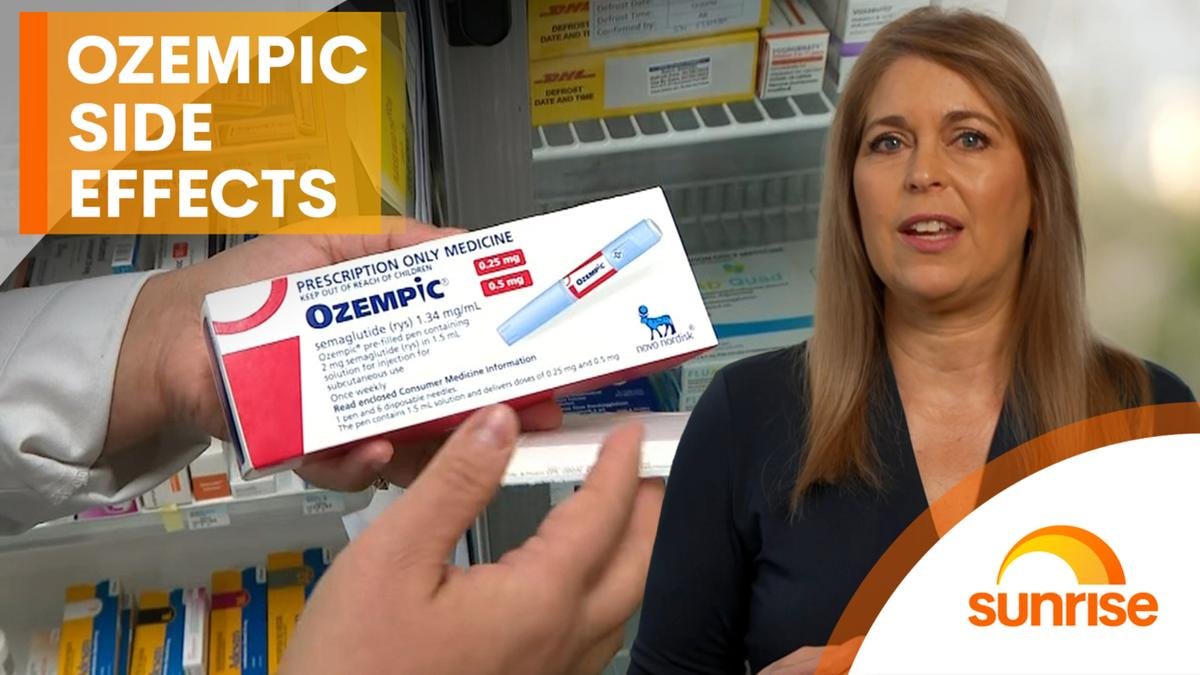
Weight loss medications are becoming more popular than ever, and one name you’ve probably heard is Ozempic. While it was originally designed to treat type 2 diabetes, many people now use it for shedding extra weight.
But here’s the truth: ozempic for weight loss side effects is something you must understand before considering it.
In this guide, we’ll break everything down in simple terms—what Ozempic is, how it works, its benefits, and most importantly, its side effects.
What Is Ozempic?
Ozempic is a prescription medication that contains semaglutide, a compound that mimics a hormone in your body called GLP-1.
How It Works:
- Slows down digestion
- Reduces appetite
- Helps you feel full longer
- Controls blood sugar levels
Because of these effects, many people experience significant weight loss, even if they don’t have diabetes.
Why People Use Ozempic for Weight Loss
Although Ozempic is FDA-approved for diabetes, doctors sometimes prescribe it “off-label” for weight loss.
Key Benefits:
- Reduces hunger cravings
- Helps control portion sizes
- Supports steady, gradual weight loss
- Improves blood sugar balance
However, these benefits come with potential downsides. Understanding ozempic for weight loss side effects is essential before starting.
Common Ozempic for Weight Loss Side Effects
Let’s start with the most common side effects. These usually appear in the first few weeks.
1. Nausea (Most Common)
- Happens when your body adjusts
- Usually mild to moderate
- Often improves over time
2. Vomiting
- Can occur if dosage is increased too quickly
- More likely in sensitive individuals
3. Diarrhea or Constipation
- Digestive system slows down
- May cause irregular bowel movements
4. Loss of Appetite
- While helpful for weight loss, it can:
- Lead to under-eating
- Cause weakness or fatigue
5. Stomach Pain
- Mild discomfort or bloating
- Usually temporary
These are the most reported ozempic for weight loss side effects, and many people tolerate them well.
Serious Ozempic for Weight Loss Side Effects
Although rare, some side effects can be serious and require medical attention.
1. Pancreatitis
- Severe abdominal pain
- Nausea and vomiting
- Needs immediate treatment
2. Gallbladder Problems
- Gallstones may develop
- Symptoms include:
- Sharp pain
- Fever
- Yellowing of skin
3. Kidney Issues
- Dehydration from vomiting or diarrhea
- Can worsen existing kidney problems
4. Thyroid Tumor Risk
- Seen in animal studies
- Symptoms may include:
- Neck swelling
- Trouble swallowing
Because of these risks, doctors carefully monitor patients using Ozempic.
Who Should Avoid Ozempic?
Not everyone is a good candidate.
Avoid Ozempic if you:
- Have a history of thyroid cancer
- Have pancreatitis
- Are pregnant or breastfeeding
- Have severe gastrointestinal issues
Always consult a doctor before starting, especially when concerned about ozempic for weight loss side effects.
Tips to Reduce Ozempic Side Effects
The good news? You can manage many side effects with simple habits.
✔ Start with a Low Dose
- Helps your body adjust slowly
✔ Eat Smaller Meals
- Prevents nausea and discomfort
✔ Avoid Fatty Foods
- Reduces digestive issues
✔ Stay Hydrated
- Prevents dehydration
✔ Follow Doctor’s Instructions
- Never self-adjust dosage
These steps can significantly reduce ozempic for weight loss side effects and improve your experience.
Ozempic vs Other Weight Loss Medications
Ozempic is often compared with similar drugs.
Compared to Others:
- More effective for appetite control
- Longer-lasting results
- Weekly injection (more convenient)
However:
- Side effects can be stronger in some people
- Cost can be higher
Understanding how it compares helps you make an informed decision.
Latest Updates on Ozempic for Weight Loss
In recent years, semaglutide-based treatments have gained massive popularity.
Recent Trends:
- Increased demand worldwide
- More off-label prescriptions
- Development of similar drugs (like Wegovy)
Researchers continue studying long-term safety and ozempic for weight loss side effects.
FAQs About Ozempic for Weight Loss Side Effects
1. How long do Ozempic side effects last?
Most side effects last a few days to weeks. Your body usually adjusts over time.
2. Is Ozempic safe for long-term use?
It can be safe under medical supervision, but long-term effects are still being studied.
3. Can Ozempic cause permanent damage?
Rarely, but serious issues like pancreatitis or kidney problems can occur if not monitored.
4. Do all users experience side effects?
No. Some people experience mild or no side effects at all.
Final Thoughts: Is Ozempic Worth It?
Ozempic can be a powerful tool for weight loss, especially for people struggling with obesity or appetite control.
But here’s the reality:
ozempic for weight loss side effects should never be ignored.
Key Takeaways:
- Effective for weight loss
- Common side effects are manageable
- Serious risks are rare but possible
- Medical guidance is essential
Call-to-Action:
If you’re considering Ozempic, talk to a qualified healthcare provider first. A personalized plan will help you lose weight safely while minimizing risks.

Pravi Celer: Complete Guide to Benefits, Uses, Nutrition, and FAQs

Fútbol Libre: A Complete Guide to Free Football Streaming