
Blog
Smoothiepussit – arjen pieni ratkaisu jolla on suuri merkitys


Smoothiet ovat vakiinnuttaneet paikkansa monien suomalaisten arjessa. Ne toimivat nopeana aamupalana, kevyenä lounaana, treenin jälkeisenä palautusjuomana tai lasten terveellisenä välipalana. Harvemmin kuitenkaan pysähdytään miettimään, kuinka suuri merkitys pakkauksella on koko smoothie-kokemukseen. Tässä kohtaa smoothiepussit astuvat kuvaan.
Smoothiepussit eivät ole vain trendikäs vaihtoehto perinteisille pulloille ja mukeille. Ne ovat käytännöllinen, tilaa säästävä ja usein myös ympäristöystävällisempi ratkaisu, joka sopii moderniin ja liikkuvaan elämäntyyliin.
Mitä smoothiepussit ovat?
Smoothiepussit ovat joustavia juomapusseja, jotka on suunniteltu erityisesti smoothieiden, soseiden ja muiden paksumpien juomien säilyttämiseen ja kuljettamiseen. Useimmissa pusseissa on uudelleensuljettava korkki tai pilliosa, joka tekee juomisesta helppoa ja siistiä.
Pusseja on saatavilla sekä kertakäyttöisinä että uudelleenkäytettävinä. Uudelleenkäytettävät smoothiepussit on yleensä valmistettu kestävästä, BPA-vapaasta materiaalista, joka kestää pesua ja pakastamista.
Miksi smoothiepussit ovat niin suosittuja?
Yksi suurimmista syistä smoothiepussien suosioon on niiden helppous. Ne ovat kevyitä, vievät vähän tilaa ja sopivat täydellisesti mukaan otettaviksi.
Smoothiepussien tärkeimmät edut:
- Helppo kuljettaa laukussa tai repussa
- Vähemmän sotkua ja läikkymistä
- Vie vähän tilaa jääkaapissa ja pakastimessa
- Sopii sekä aikuisille että lapsille
- Mahdollisuus esivalmistella smoothieita etukäteen
Monille kiireisille ihmisille smoothiepussi tarkoittaa sitä, että terveellinen vaihtoehto on aina käden ulottuvilla.
Smoothiepussit lapsiperheiden arjessa
Lapsiperheissä smoothiepussit ovat erityisen suosittuja. Pussi on helppo pitää kädessä, eikä se kaadu yhtä helposti kuin muki. Monille lapsille pillillinen pussi tuntuu myös hauskemmalta, mikä helpottaa hedelmien ja vihannesten lisäämistä ruokavalioon.
Vanhemmat arvostavat myös sitä, että smoothiet voi valmistaa valmiiksi useammaksi päiväksi. Pussit voidaan pakastaa, ottaa aamulla mukaan ja antaa sulaa päivän aikana.
Smoothiepussit ja ympäristö
Ympäristönäkökulma on yhä tärkeämpi tekijä kulutusvalinnoissa. Uudelleenkäytettävät smoothiepussit auttavat vähentämään kertakäyttöisten pullojen ja tölkkien määrää. Vaikka pussi on valmistettu muovista, sen pitkä käyttöikä tekee siitä kestävämmän vaihtoehdon.
Kertakäyttöiset smoothiepussit voivat silti olla perusteltu valinta esimerkiksi tapahtumissa, myyntikäytössä tai tilanteissa, joissa pesumahdollisuutta ei ole.
Yrityskäyttö ja myynti
Smoothiepussit ovat löytäneet tiensä myös yritysmaailmaan. Kahvilat, smoothiebaarit, kuntosalit ja hyvinvointibrändit käyttävät niitä yhä enemmän. Pussi on helppo brändätä, ja asiakas saa juoman, jonka voi ottaa mukaan ilman ylimääräistä vaivaa.
Lisäksi smoothiepussit mahdollistavat tehokkaan kylmäsäilytyksen ja annoskoon hallinnan, mikä helpottaa myyntiä ja vähentää hävikkiä.
Kuinka valita oikeat smoothiepussit?
Valinnassa kannattaa huomioida oma käyttötarkoitus. Kotikäyttöön paras vaihtoehto on usein uudelleenkäytettävä pussi, joka kestää pesua ja pakastusta. Yrityskäytössä taas kertakäyttöinen, hygieeninen pussi voi olla järkevämpi ratkaisu.
Tarkista aina:
- Onko materiaali elintarviketurvallinen
- Kestääkö pussi pakastuksen
- Onko suljin tiivis ja helppokäyttöinen
Usein kysytyt kysymykset (FAQs)
Ovatko smoothiepussit turvallisia käyttää?
Kyllä, kun ne on valmistettu elintarvikekäyttöön hyväksytyistä materiaaleista ja käytetään ohjeiden mukaisesti.
Voiko smoothiepussit pakastaa?
Useimmat smoothiepussit on suunniteltu kestämään pakastusta, ja ne soveltuvat hyvin smoothieiden esivalmisteluun.
Kuinka kauan smoothie säilyy pussissa?
Jääkaapissa smoothie säilyy yleensä 1–3 päivää. Pakastettuna useita viikkoja riippuen raaka-aineista.
Miten uudelleenkäytettävät smoothiepussit pestään?
Ne voidaan pestä käsin lämpimällä vedellä ja miedolla pesuaineella. Monet mallit kestävät myös astianpesukoneen.
Voiko smoothiepussissa säilyttää muuta kuin smoothieita?
Kyllä. Ne sopivat hyvin esimerkiksi jogurtille, vauvanruoalle, keitoille ja proteiinijuomille.
Ovatko smoothiepussit ympäristöystävällisiä?
Uudelleenkäytettävät smoothiepussit ovat selvästi ympäristöystävällisempi vaihtoehto kuin kertakäyttöiset pullot.
Yhteenveto
Smoothiepussit ovat yksinkertainen mutta tehokas ratkaisu terveellisemmän ja sujuvamman arjen tueksi. Ne säästävät tilaa, vähentävät sotkua ja tekevät smoothieiden nauttimisesta helpompaa missä tahansa. Oikein valittuna smoothiepussit palvelevat pitkään ja tuovat arkeen sekä käytännöllisyyttä että vastuullisuutta.

Snow is usually associated with purity, calmness, and bright white landscapes. But in some parts of the world, people have witnessed something deeply unsettling—black snow falling from the sky. Known as “black snowing,” this unusual event is not just visually shocking; it is also a strong indicator of environmental problems that should not be ignored.
What Does Black Snowing Mean?
Black snowing refers to snowfall that appears dark gray or black instead of white. This happens when snowflakes form around polluted particles in the atmosphere. Normally, snow develops from clean water vapor that freezes into ice crystals. However, when the air is heavily polluted with soot, ash, or industrial dust, these particles become part of the snow, changing its color.
The darker the particles in the air, the darker the snow appears when it reaches the ground.
Why Does Black Snow Occur?
Black snow is not a random or mysterious occurrence—it has clear causes, most of which are linked to pollution or natural environmental events.
Industrial Emissions
One of the biggest causes of black snow is industrial pollution. Factories, power plants, and heavy manufacturing units release large amounts of carbon particles into the air. In regions where coal is widely used, these emissions can become extremely dense. When it snows, these particles mix with snowflakes, giving them a dark, dirty look.
Coal Mining and Dust
Areas near coal mines often experience black snow due to airborne coal dust. During mining and transportation, fine particles of coal spread into the atmosphere. When snowfall occurs, these particles are trapped within the snow, turning it black or dark gray.
Wildfires and Smoke
Wildfires release massive clouds of smoke and ash that can travel hundreds of kilometers. These particles remain suspended in the air for days or even weeks. If snow forms during this time, it can carry ash down to the ground, resulting in dark-colored snow.
Volcanic Ash
Although less common, volcanic eruptions can also lead to black snow. Volcanoes release ash high into the atmosphere, and when it mixes with clouds, it can fall as black or gray snow in nearby regions.
Urban Air Pollution
Even in cities without heavy industry, black snow can occur due to traffic pollution, burning waste, and construction dust. While it may not always be completely black, the snow can appear dirty, slushy, or gray due to contaminants.
Environmental Effects of Black Snow
Black snow is more than just a strange sight—it has serious environmental consequences.
One of the biggest concerns is that black snow absorbs more sunlight than clean white snow. White snow reflects sunlight, helping to keep temperatures lower. In contrast, dark snow absorbs heat, causing it to melt faster. This can disrupt local ecosystems, reduce water availability, and contribute to climate change.
Additionally, when black snow melts, it releases pollutants into the soil and water. This can harm plants, animals, and even drinking water sources. Over time, this contamination can build up and affect entire ecosystems.
Health Risks for Humans
Black snow can also pose health risks, especially in areas with severe pollution. The particles that darken the snow often include harmful substances such as soot, heavy metals, and fine dust. When these particles become airborne again or come into contact with humans, they can cause respiratory problems.
Children, the elderly, and people with existing lung conditions are particularly vulnerable. Direct contact with black snow is also not advisable, as it may carry toxic materials.
Real-Life Incidents
There have been several reports of black snow around the world, particularly in industrial and coal-mining regions. In some cases, residents woke up to find their neighborhoods covered in dark snow, raising concerns about air quality and public health.
These incidents often lead to investigations and increased awareness about pollution levels in the affected areas. They also highlight the need for stricter environmental regulations and cleaner industrial practices.
Can Black Snow Be Prevented?
In many cases, yes. While natural causes like wildfires and volcanic eruptions cannot be fully prevented, human-related causes can be controlled.
Reducing industrial emissions is one of the most effective steps. Switching to cleaner energy sources, such as solar or wind power, can significantly lower the amount of soot released into the air. Proper regulation of mining activities and better waste management can also help reduce airborne particles.
Improving air quality standards in cities and encouraging sustainable practices are equally important. Small changes, such as reducing vehicle emissions and avoiding open burning, can make a big difference over time.
Why This Phenomenon Matters
Black snowing is not just a rare curiosity—it is a warning sign. It shows how deeply pollution can affect even the most natural processes, like snowfall. When snow turns black, it reflects the state of the air we breathe and the environment we live in.
Understanding black snow helps us recognize the impact of human activities on the planet. It also reminds us that environmental problems are interconnected. Air pollution does not stay in one place—it eventually returns to the ground, affecting everything from soil to water to human health.
Frequently Asked Questions (FAQs)
1. Is black snow harmful to humans?
Yes, black snow can be harmful because it often contains pollutants like soot and fine particles that can affect breathing and overall health.
2. What causes snow to turn black?
Snow turns black when it mixes with pollutants such as industrial emissions, coal dust, ash from wildfires, or volcanic particles.
3. Can black snow happen anywhere?
It is more common in polluted areas, industrial regions, or places affected by wildfires or volcanic activity, but it can happen anywhere under the right conditions.
4. Is black snow safe to touch?
It is best to avoid touching black snow, as it may contain toxic substances that can irritate the skin or pose health risks.
5. Does black snow affect climate change?
Yes, black snow absorbs more heat than white snow, which can speed up melting and contribute to warming effects.
6. How can we reduce black snowing?
Reducing air pollution, controlling industrial emissions, using clean energy, and improving environmental regulations can help prevent black snow.
Black snowing may be rare, but it carries an important message. It reminds us that environmental protection is not optional—it is essential for a healthier future.
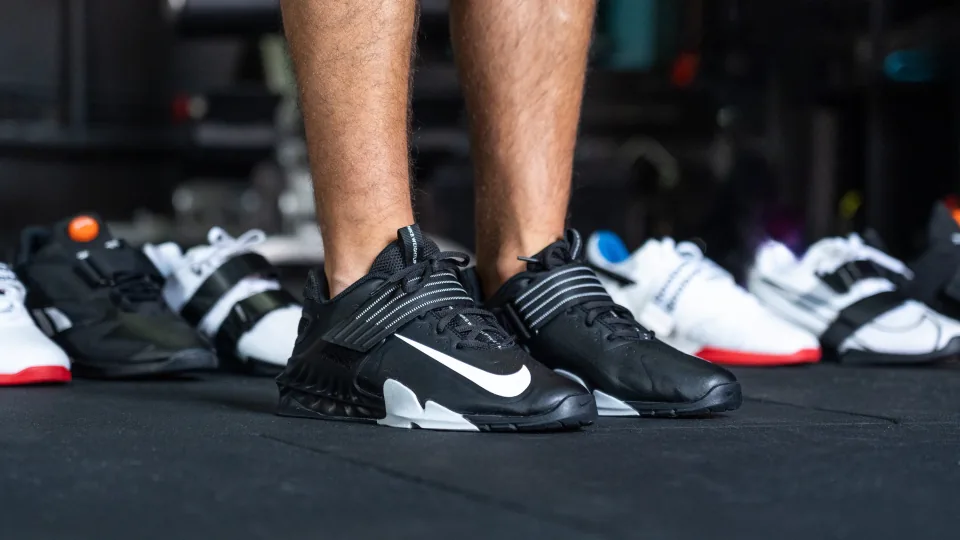
If you’re serious about strength training, your footwear plays a bigger role than you might expect. The best gym shoes for lifting aren’t about style or brand hype—they’re about stability, support, and helping you lift safely and effectively. Whether you’re doing squats, deadlifts, or full-body workouts, the right shoes can improve your form and performance almost instantly.
Many beginners make the mistake of wearing running shoes to the gym. While they’re great for cardio, they can actually work against you when lifting weights. That’s because running shoes are designed for cushioning and forward movement, not for stability under heavy loads. For lifting, you need something firm, grounded, and secure.
Why the Right Shoes Matter
When you lift weights, especially heavy ones, your body relies on a stable base. If your shoes compress or wobble, your balance and form can suffer. This not only reduces your lifting efficiency but also increases your risk of injury.
Good lifting shoes help you:
- Maintain proper posture
- Improve balance and control
- Generate more power from the ground
- Reduce strain on joints and muscles
Think of your shoes as your foundation. A weak foundation leads to weak lifts.
Key Features to Look For
Choosing the best gym shoes for lifting comes down to a few essential features:
1. Firm, Non-Compressible Sole
A hard sole ensures that your foot stays stable during lifts. Unlike soft foam, it doesn’t sink under pressure, allowing better force transfer.
2. Minimal Cushioning
Too much cushioning can make you unstable. Lifting shoes typically have very little padding compared to running shoes.
3. Secure Fit
Your shoes should feel snug. Many lifting shoes include straps or strong lacing systems to keep your foot locked in place.
4. Good Grip
Slipping during a lift can be dangerous. Look for shoes with a strong rubber outsole that grips the floor well.
5. Heel Height (Optional)
Some lifting shoes come with a raised heel. This is especially helpful for squats, as it improves ankle mobility and allows deeper movement.
Types of Gym Shoes for Lifting
Not all lifting shoes are the same. The best choice depends on your workout style and goals.
Weightlifting Shoes
These are designed specifically for heavy lifting and Olympic movements. They feature a raised heel and a very rigid sole. If you struggle with squat depth or ankle flexibility, these can be a game-changer.
Flat Sole Shoes
Flat shoes have no heel elevation and keep you close to the ground. They’re ideal for exercises like deadlifts, where stability and balance are critical.
Cross-Training Shoes
These are versatile and suitable for mixed workouts. If your routine includes both lifting and cardio, cross-training shoes can be a practical option, though they may not be as specialized.
Choosing Based on Your Training
The best gym shoes for lifting depend on what you do most in the gym.
- For squats: Go for shoes with a slight heel to improve depth and posture
- For deadlifts: Choose flat, thin soles for maximum ground contact
- For general workouts: A stable cross-training shoe works well
- For beginners: Start with a balanced option that offers both comfort and support
It’s not uncommon for experienced lifters to own more than one pair of shoes for different exercises.
Common Mistakes to Avoid
Even with so many options available, people often make simple mistakes when choosing lifting shoes.
Using running shoes:
This is the most common error. Their soft cushioning reduces stability and can affect your form.
Ignoring fit:
Shoes that are too loose or too tight can lead to discomfort and poor performance.
Focusing only on looks:
A stylish shoe won’t help if it doesn’t support your lifts properly.
Trying one shoe for everything:
While convenient, one pair may not suit all types of workouts.
Tips Before You Buy
Before you invest in a pair of lifting shoes, keep these tips in mind:
- Try them on and walk around to test comfort
- Simulate a squat or stance to check stability
- Wear your usual gym socks when testing
- Don’t rush—prioritize function over brand
If possible, test different types to see what feels best for your lifting style.
FAQs: Best Gym Shoes for Lifting
1. Can I lift weights barefoot instead of wearing shoes?
Some people prefer lifting barefoot, especially for deadlifts, because it increases ground contact. However, in most gyms, shoes are required for safety and hygiene reasons.
2. Are expensive lifting shoes necessary?
Not necessarily. While high-end shoes offer durability and premium materials, many affordable options provide excellent support and stability for most lifters.
3. How long do lifting shoes last?
With proper use, lifting shoes can last several years. Since they’re not exposed to as much wear as running shoes, they tend to be more durable.
4. Do lifting shoes improve performance?
Yes, they can. By providing better stability and positioning, lifting shoes can help you maintain proper form and lift more efficiently.
5. What type of shoe is best for beginners?
Beginners should look for a stable, comfortable shoe with a firm sole. Cross-training shoes or basic flat lifting shoes are a great starting point.
6. Can I use lifting shoes for running?
No, lifting shoes are not designed for running. Their rigid soles and structure can make running uncomfortable and even unsafe.
7. Should lifting shoes feel tight?
They should feel snug but not painful. Your foot should be secure without any slipping during movement.
8. Do I need different shoes for different exercises?
It depends on your goals. Casual gym-goers can manage with one good pair, but serious lifters often use different shoes for squats, deadlifts, and other movements.
Final Thoughts
Finding the best gym shoes for lifting isn’t about following trends—it’s about understanding your needs. The right pair will give you a solid base, improve your technique, and help you lift with confidence.

Online streaming has changed the way people watch movies and television shows. Instead of downloading content or waiting for scheduled broadcasts, viewers can now access thousands of titles instantly. While subscription platforms like Netflix, Amazon Prime Video, and Disney+ dominate the market, many users still search for free streaming options. One platform that frequently appears in these searches is Levidia.
This article explains what Levidia is, how it works, its main features, safety concerns, and legal alternatives for watching movies online.
What Is Levidia?
Levidia is a free online streaming website that allows users to watch movies and TV shows without paying a subscription fee. The platform gained popularity because it provides access to a large collection of entertainment content in one place.
Unlike official streaming services that require monthly payments, Levidia usually offers instant streaming with no mandatory account registration. Users can simply visit the site, search for a movie or series, and start watching.
However, Levidia does not typically host all content directly. Instead, it often embeds video players from third-party streaming servers. This means the site acts more like a directory or index that connects users to external video sources.
Why Levidia Became Popular
Levidia gained a large audience due to several reasons:
Free Access to Movies
The biggest attraction is that users can watch movies without paying subscription fees. This makes it appealing for people who do not want to subscribe to multiple streaming platforms.
Wide Range of Content
Levidia usually offers movies and shows from different genres such as action, comedy, horror, drama, and science fiction. Users can also find both older classics and newer releases.
Simple User Experience
The platform typically has a basic and easy-to-navigate interface. Visitors can browse by category, check trending titles, or use the search feature to find specific movies.
No Registration Required
Many streaming platforms require users to create accounts and provide payment details. Levidia often removes this step, allowing viewers to start watching immediately.
How Levidia Works
Levidia functions differently from licensed streaming platforms.
Here is the typical process:
- A user searches for a movie or TV show on the website.
- The platform displays available streaming links or embedded video players.
- The video player loads content from a third-party hosting server.
- The movie or episode streams directly in the user’s browser.
Because the videos are hosted elsewhere, the availability of certain titles can change frequently. If a hosting server removes a file, the stream may stop working until a new source is added.
Is Levidia Legal?
The legality of Levidia can vary depending on the country and copyright laws. Most official streaming services like Netflix and Amazon Prime Video obtain licenses from movie studios and production companies before distributing content.
Free streaming websites often do not have these licensing agreements. As a result, streaming copyrighted content through unofficial sources may violate copyright regulations in many regions.
Because of legal pressure, websites like Levidia sometimes change their domain names or appear through mirror sites to remain accessible.
Is Levidia Safe to Use?
Safety is another common concern when it comes to free streaming platforms.
While many users access such sites without major problems, there are several risks to consider.
Pop-Up Advertising
Free streaming sites often rely on advertising networks. Some of these ads can be intrusive and open new browser tabs.
Malware Risks
Certain ads or links may redirect users to unsafe websites that attempt to install harmful software.
Data Privacy Concerns
Unofficial platforms may not provide clear policies about how user data is handled.
Safety Tips
To reduce risks, users often take precautions such as:
- Using an ad blocker
- Avoiding suspicious download buttons
- Keeping antivirus software updated
- Not entering personal or payment information
Why Levidia Sometimes Stops Working
Many users report that Levidia occasionally becomes unavailable. There are several reasons this can happen:
- Domain suspension or legal action
- Internet service provider (ISP) blocking
- Server downtime
- Removal of third-party streaming sources
Because of these issues, the site may reappear under different domain names or mirror websites.
Legal Alternatives to Levidia
For viewers who prefer a safer and legal streaming experience, several legitimate platforms offer high-quality content.
Paid Streaming Services
Popular subscription platforms include:
- Netflix
- Amazon Prime Video
- Disney+
- Hulu
These services provide licensed movies, original content, and reliable streaming quality.
Free Legal Streaming Platforms
Some platforms offer free content supported by advertisements:
- Tubi
- Pluto TV
- Crackle
These services operate legally and provide a safer viewing experience.
Conclusion
Levidia became popular because it allows users to stream movies and TV shows online without paying subscription fees. Its large content library, simple interface, and easy access attract viewers who want free entertainment.
However, there are important factors to consider, including legal issues, safety risks, and unreliable availability. Since the platform operates outside official licensing systems, users may encounter domain changes, broken links, or security concerns.
For viewers who want consistent quality, better security, and legal access to entertainment, official streaming services remain the most reliable option.
Frequently Asked Questions (FAQs)
What is Levidia?
Levidia is a website that offers free streaming access to movies and TV shows through embedded third-party video sources.
Is Levidia completely free?
Yes, the platform generally allows users to watch content without subscription fees or account registration.
Do I need to create an account to use Levidia?
Most versions of the site allow streaming without signing up.
Why does Levidia change domains?
The site may change domains due to copyright complaints, legal actions, or hosting issues.
Is it safe to watch movies on Levidia?
There can be risks such as pop-up ads and potentially unsafe links, so caution is recommended.
What are the best legal alternatives to Levidia?
Some popular alternatives include Netflix, Amazon Prime Video, Disney+, and free platforms like Tubi.

Pravi Celer: Complete Guide to Benefits, Uses, Nutrition, and FAQs

Fútbol Libre: A Complete Guide to Free Football Streaming