Foods
Alaskan Seiti: A Complete Guide to This Popular Whitefish


Alaskan seiti is a widely used whitefish known for its mild taste, affordability, and reliable supply from the cold waters of Alaska. While it may not always receive the same attention as salmon or cod, Alaskan seiti plays an important role in global seafood consumption. From frozen fillets to breaded products and surimi, this fish is a staple in homes, restaurants, and food manufacturing across the world.
Understanding what Alaskan seiti is, how it tastes, and why it is so popular can help consumers make informed seafood choices that are both nutritious and sustainable.
What Is Alaskan Seiti?
Alaskan seiti refers to a whitefish species harvested primarily from the North Pacific Ocean, especially in Alaskan waters. It is closely related to pollock and is sometimes marketed under similar names depending on the region. The fish has lean, white flesh with a soft yet flaky texture when cooked.
Because of its consistent size and availability, Alaskan seiti is often used in processed seafood products. It is commonly found frozen rather than fresh, which helps preserve quality and makes it accessible year-round.
Flavor Profile and Texture
One of the key reasons for the popularity of Alaskan seiti is its mild and neutral flavor. It does not have a strong fishy taste, making it appealing even to people who are new to seafood. The flesh absorbs marinades, spices, and sauces easily, allowing it to fit into many different cuisines.
Texture-wise, Alaskan seiti is tender and flaky, similar to cod but slightly softer. When cooked correctly, it remains moist and delicate, making it ideal for breaded, battered, or lightly seasoned dishes.
Nutritional Value of Alaskan Seiti
Alaskan seiti is a healthy addition to a balanced diet. It is naturally low in fat and calories while providing high-quality protein. A typical serving supports muscle growth, energy levels, and overall wellness.
Key nutritional benefits include:
- High protein content for muscle and tissue repair
- Low saturated fat, supporting heart health
- Essential vitamins such as B12 for nerve function
- Minerals like selenium, which supports immune health
While it may not be as rich in omega-3 fatty acids as fatty fish like salmon, Alaskan seiti still contributes to overall nutritional balance.
Sustainability and Environmental Impact
Sustainability is one of the strongest advantages of Alaskan seiti. Alaska is known for having some of the strictest fisheries management practices in the world. Fishing quotas are carefully regulated, and populations are monitored to prevent overfishing.
Most Alaskan seiti fisheries operate under science-based management plans that protect marine ecosystems while supporting long-term fish stocks. Many products are certified by sustainability organizations, giving consumers confidence that their seafood choices are environmentally responsible.
This commitment to sustainability has made Alaskan seiti a preferred option for large retailers and foodservice companies focused on ethical sourcing.
Common Uses of Alaskan Seiti
Alaskan seiti is extremely versatile and used in many different seafood products. Some of the most common applications include:
- Frozen fillets for home cooking
- Breaded fish sticks and nuggets
- Battered fish for fast-food and casual dining
- Surimi and imitation crab products
- Ready-to-cook seafood meals
Because it holds its shape well and has a consistent texture, it is especially popular in large-scale food production.
How to Cook Alaskan Seiti at Home
Cooking Alaskan seiti is simple, even for beginners. The key is avoiding overcooking, as the flesh can dry out if left too long.
Popular cooking methods include:
- Baking: Season lightly and bake until flaky
- Pan-frying: Quick cooking with a light coating
- Air-frying: A healthier option for crispy fillets
- Steaming: Preserves moisture and natural flavor
Alaskan seiti pairs well with vegetables, rice, potatoes, or fresh salads. Simple seasonings like lemon, garlic, herbs, or mild spices work best.
Alaskan Seiti Compared to Other Whitefish
When compared to cod, haddock, or hake, Alaskan seiti is usually more affordable while offering similar culinary flexibility. Although its texture is slightly softer, the difference is minimal in most dishes, especially breaded or processed products.
This balance of quality and cost has made Alaskan seiti a reliable substitute for more expensive whitefish in many markets.
Frequently Asked Questions (FAQs)
What is Alaskan seiti?
Alaskan seiti is a mild whitefish harvested from Alaskan waters, commonly used in frozen and processed seafood products.
Is Alaskan seiti good for you?
Yes, it is low in fat, high in protein, and provides essential vitamins and minerals.
Does Alaskan seiti taste fishy?
No, it has a very mild flavor, making it suitable for people who prefer subtle-tasting fish.
Is Alaskan seiti the same as pollock?
They are closely related and often used similarly, but they are not exactly the same species.
Is Alaskan seiti sustainably sourced?
Yes, Alaskan fisheries are highly regulated, and many Alaskan seiti products are sustainably certified.
What is the best way to cook Alaskan seiti?
Baking, frying, air-frying, and steaming are all effective methods when done carefully.
Conclusion
Alaskan seiti is an affordable, nutritious, and sustainable whitefish that fits easily into modern diets. Its mild flavor, versatility, and responsible sourcing make it an excellent choice for both everyday meals and large-scale food production. Whether you are shopping for frozen seafood or preparing a simple home-cooked dish, Alaskan seiti delivers quality, value, and reliability.


Hollywood is famous for movies, red carpets, and global celebrities, but there is another side of the entertainment capital that food lovers admire—iconic Hollywood fast food. For decades, quick-service restaurants around Los Angeles have served delicious burgers, hot dogs, and tacos to actors, film crews, tourists, and locals. These places are not just about convenience; they are part of Hollywood’s culture and storytelling.
From legendary burger chains to historic hot dog stands, Hollywood fast food spots have built reputations through celebrity visits, movie appearances, and unforgettable flavors. Many visitors consider eating at these locations a must-do experience when they travel to the entertainment capital.
The Culture Behind Hollywood Fast Food
Fast food became an important part of Hollywood life because of the unique lifestyle of the film industry. Movie productions often involve long working hours, late-night shoots, and quick breaks between scenes. Because of this, actors and crew members frequently rely on nearby fast food restaurants for quick and satisfying meals.
Over time, these casual eateries became social spots where celebrities and fans could share the same dining experience. You might see an award-winning actor ordering a burger next to a tourist taking photos. This blend of glamour and simplicity is one of the reasons Hollywood fast food became so iconic.
Another reason for its popularity is affordability. While Hollywood is known for luxury, fast food restaurants offer tasty meals at prices that almost anyone can enjoy.
Famous Hollywood Fast Food Spots
Several fast food restaurants have gained legendary status due to their history, unique menus, and celebrity visitors.
In-N-Out Burger
Few fast food brands are as beloved in California as In-N-Out Burger. Known for its simple menu and fresh ingredients, the restaurant has built a loyal following among both locals and celebrities.
One of the most talked-about aspects of the restaurant is its “secret menu,” which includes fan favorites like Animal Style burgers and fries. These off-menu options have become part of the brand’s identity.
Many celebrities have been spotted grabbing a quick meal at In-N-Out, including Leonardo DiCaprio and Kendall Jenner. After major events like movie premieres or award shows, it’s not unusual to see stars enjoying burgers and milkshakes here.
Pink’s Hot Dogs
Another legendary stop in Hollywood is Pink’s Hot Dogs. Founded in 1939, this small hot dog stand became a cultural landmark over the years. Despite its modest size, Pink’s has attracted countless celebrities and tourists.
The restaurant is famous for its creative hot dog combinations, including chili dogs loaded with toppings. One of the most recognizable features of the stand is the wall covered with celebrity photos, showing the many famous visitors who have eaten there.
Celebrities such as Kim Kardashian and Jay Leno have visited Pink’s, helping cement its reputation as one of the most iconic fast food spots in Hollywood.
Fatburger
Fatburger is another classic Hollywood fast food destination. Established in 1947, the restaurant built its reputation on large, customizable burgers cooked fresh to order.
Unlike many fast food chains that rely on frozen patties, Fatburger focuses on quality and flavor. Customers can choose from different burger sizes and toppings, making each meal unique.
The restaurant has also gained popularity in music culture. Hip-hop artists, including Kanye West, have referenced the brand in songs, which further increased its fame among younger audiences.
Tito’s Tacos
For taco lovers, Tito’s Tacos is a must-visit location near Hollywood. Since 1959, this restaurant has served classic crunchy tacos filled with seasoned beef, lettuce, and cheese.
The menu is simple, but that simplicity is exactly what fans love. Many Hollywood locals and film crew members stop by for quick meals during busy production schedules.
Because of its consistency and long history, Tito’s Tacos remains one of the most respected fast food spots in the area.
Fast Food and Hollywood Movies
Fast food has also appeared in numerous films and television shows, making it part of Hollywood storytelling. Casual dining scenes help filmmakers create realistic everyday moments for their characters.
For example, the cult classic Pulp Fiction includes memorable dialogue about fast food culture. Films like The Big Lebowski also feature scenes connected to casual dining environments.
These moments reinforce the connection between Hollywood entertainment and the fast food culture surrounding it.
Why Tourists Love Hollywood Fast Food
Many tourists traveling to Los Angeles add famous fast food restaurants to their travel plans. Visiting these spots allows them to experience a small piece of Hollywood lifestyle.
Some visitors hope to spot a celebrity enjoying a late-night meal, while others simply want to taste the famous burgers and hot dogs they have heard about for years.
Another reason these places attract tourists is their history. Some of these restaurants have been operating for more than 70 years, making them living landmarks of Hollywood culture.
The Lasting Appeal of Hollywood Fast Food
Even as dining trends change, iconic Hollywood fast food restaurants continue to thrive. Many have adapted to modern tastes by offering healthier options, plant-based meals, and updated menus while still preserving their classic flavors.
What makes these places truly special is their connection to Hollywood history. They represent a meeting point between everyday life and the world of entertainment.
Whether it’s a late-night burger, a classic chili dog, or a quick taco, iconic Hollywood fast food continues to serve both delicious meals and unforgettable cultural experiences.
FAQs About Iconic Hollywood Fast Food
What is the most famous fast food restaurant in Hollywood?
One of the most famous is In-N-Out Burger, known for its fresh ingredients, secret menu, and celebrity fans.
Do Hollywood celebrities really eat fast food?
Yes, many celebrities enjoy casual meals at iconic places like Pink’s Hot Dogs and Fatburger.
Why is Hollywood fast food considered iconic?
Hollywood fast food is iconic because of its long history, celebrity visits, and frequent appearances in films and pop culture.
Where can tourists try famous Hollywood fast food?
Visitors to Los Angeles often visit places like Tito’s Tacos and In-N-Out Burger.
Are these restaurants still popular today?
Yes, these iconic restaurants continue to attract locals, tourists, and celebrities, keeping Hollywood’s fast food culture alive.

If you love cashews, you may have heard of the Maranon cashew—a premium variety that is larger, sweeter, and often considered superior to regular cashews. While standard cashews are widely available around the world, Maranon cashews are more exclusive and highly valued for their size, flavor, and quality.
In this article, you’ll discover what makes Maranon cashew unique, where it comes from, its health benefits, uses, and answers to common questions.
What Is Maranon Cashew?
The Maranon cashew is a special variety of cashew nut grown mainly in northern Peru, especially in areas surrounding the Marañón River. The region’s climate and soil conditions help produce cashews that are significantly larger than typical varieties.
What truly sets Maranon cashews apart is their impressive size and naturally sweet, buttery taste. They often appear almost twice as large as standard cashews and have a smooth, creamy texture that makes them highly enjoyable as a snack.
Because of their limited growing region and careful harvesting process, Maranon cashews are considered a gourmet product.
Origin and Growing Conditions
Maranon cashews thrive in the dry, tropical climate of Peru’s Marañón Valley. The trees grow in mineral-rich soil, and many farmers use traditional, sustainable farming practices. Unlike large industrial farms, much of the harvesting is done by small-scale farmers.
The cashew fruit grows on a tree as a cashew apple with the nut attached to the bottom. After harvesting, the nuts are carefully processed to remove their hard shell. This careful handling helps preserve the nut’s large size and natural sweetness.
Because production is limited to specific regions, Maranon cashews are not as common in supermarkets as regular cashews.
Nutritional Value of Maranon Cashew
Like other cashews, Maranon cashews are packed with nutrients. They are rich in:
- Healthy monounsaturated fats
- Plant-based protein
- Dietary fiber
- Magnesium
- Iron
- Zinc
- Phosphorus
- Vitamin K
A small handful provides energy, essential minerals, and healthy fats that support overall wellness.
Health Benefits of Maranon Cashew
1. Supports Heart Health
Maranon cashews contain heart-friendly fats that may help reduce bad cholesterol levels when consumed in moderation. These healthy fats support cardiovascular health.
2. Provides Long-Lasting Energy
Thanks to their combination of protein and healthy fats, Maranon cashews offer sustained energy. They are an excellent snack choice for busy days or pre-workout fuel.
3. Promotes Bone Strength
Magnesium and phosphorus in Maranon cashews contribute to strong bones and teeth. These minerals are essential for maintaining bone density.
4. Aids in Weight Management
Although they are calorie-dense, Maranon cashews can help you feel full longer. Their protein and fiber content may reduce unnecessary snacking.
5. Supports Brain Function
Healthy fats and essential nutrients found in these cashews contribute to brain health and cognitive function.
Taste and Texture
One of the biggest reasons people prefer Maranon cashews is their taste. They are naturally sweeter and creamier than regular cashews. Their large size gives a satisfying bite, and their smooth texture makes them enjoyable on their own.
Because of this premium flavor, many people choose to eat them plain rather than mixing them with other snacks.
How to Use Maranon Cashew
Maranon cashews are versatile and can be used in many ways:
- Snacking: Enjoy them raw or lightly roasted.
- Baking: Add them to cookies, brownies, and cakes.
- Cooking: Use in curries, stir-fries, or rice dishes.
- Nut Butter: Blend into smooth, creamy cashew butter.
- Salads: Sprinkle chopped cashews over salads for crunch.
Due to their premium quality, they are also popular as gift items or specialty food products.
Maranon Cashew vs Regular Cashew
While both types offer nutritional benefits, there are clear differences:
- Size: Maranon cashews are significantly larger.
- Flavor: They have a sweeter, richer taste.
- Availability: Regular cashews are widely grown in countries like India and Vietnam, while Maranon cashews are mainly from Peru.
- Price: Maranon cashews are typically more expensive due to limited production and premium quality.
If you are looking for a gourmet snacking experience, Maranon cashews stand out.
Are Maranon Cashews Worth It?
For those who appreciate high-quality nuts, the answer is yes. Their large size, sweet flavor, and careful production methods justify the higher price for many buyers. They are perfect for special occasions, healthy snacking, or gifting.
However, if you simply need cashews for cooking in large quantities, regular cashews may be more budget-friendly.
FAQs About Maranon Cashew
1. What makes Maranon cashew different?
Maranon cashews are larger, sweeter, and creamier than regular cashews. They are grown mainly in Peru’s Marañón region.
2. Are Maranon cashews healthy?
Yes. They are rich in healthy fats, protein, fiber, and essential minerals that support heart, bone, and brain health.
3. Where can I buy Maranon cashews?
They are often available in specialty food stores, health food shops, or online retailers that sell premium nuts.
4. Can I eat Maranon cashews daily?
Yes, but in moderation. A small handful per day is generally considered a healthy portion.
5. Why are Maranon cashews more expensive?
They are grown in limited quantities, harvested carefully, and considered a premium product, which increases their price.
6. Are Maranon cashews good for weight loss?
When eaten in controlled portions, they can support weight management because they help you feel full longer.
7. Do Maranon cashews cause allergies?
Yes. Like all tree nuts, they can trigger allergic reactions in people with nut allergies.
Conclusion
The Maranon cashew is a premium, oversized, and naturally sweet variety of cashew grown mainly in Peru. With its impressive size, rich flavor, and strong nutritional profile, it offers both taste and health benefits. Whether enjoyed as a snack, used in cooking, or given as a gift, Maranon cashews provide a unique and satisfying experience for nut lovers.
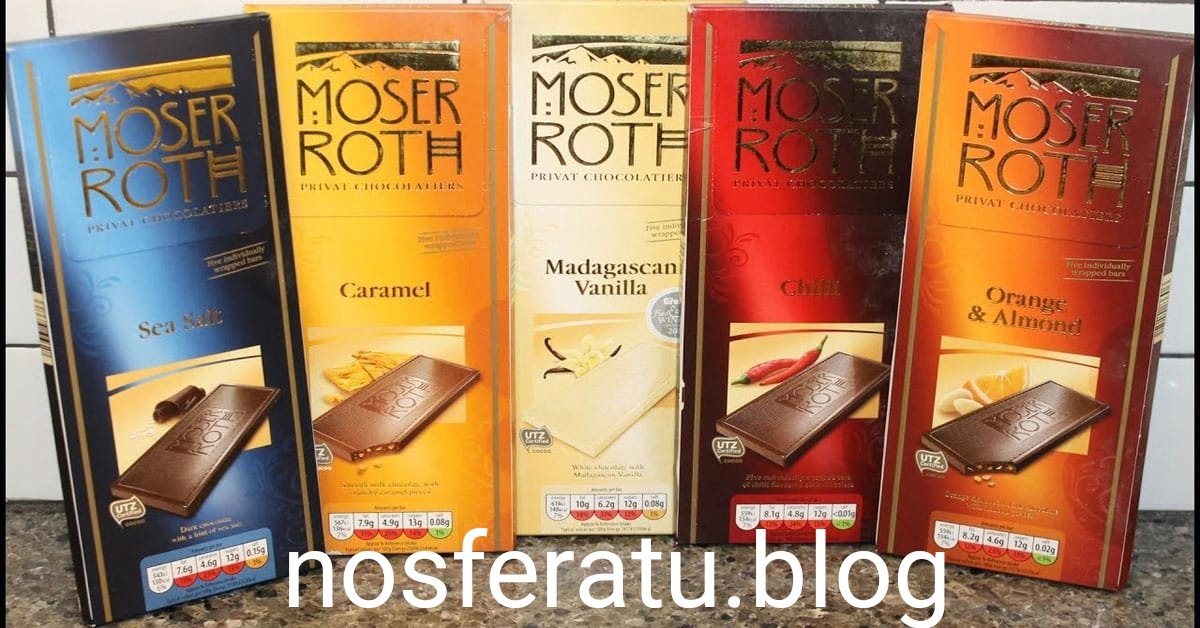
The demand for plant-based chocolates has grown rapidly, and brands are now creating options that don’t compromise on taste or texture. One standout product in this category is the Moser Roth Vegan Blonde Chocolate Bar 100g. Known for its smooth, caramelized flavor and creamy mouthfeel, this chocolate bar has become a favorite among vegans and non-vegans alike.
In this article, we’ll explore what makes this chocolate special, its ingredients, taste profile, nutritional aspects, and why it’s worth adding to your snack list.
What Is Moser Roth Vegan Blonde Chocolate?
Moser Roth is a premium chocolate brand widely recognized for its high-quality ingredients and European chocolate craftsmanship. The Vegan Blonde Chocolate Bar 100g is a dairy-free alternative to traditional white or blonde chocolate, crafted without milk but still delivering a rich, creamy experience.
“Blonde chocolate” refers to chocolate that has been gently caramelized, giving it a golden color and a sweet, toffee-like flavor. Unlike dark chocolate, it’s milder and smoother, making it ideal for those who prefer a softer sweetness.
Flavor and Texture Experience
One of the most impressive aspects of the Moser Roth Vegan Blonde Chocolate Bar 100g is its flavor balance. The caramelized notes provide a subtle sweetness without being overpowering. Hints of biscuit, vanilla, and light toffee come through with every bite.
Texture-wise, the chocolate melts smoothly in the mouth, closely mimicking traditional milk-based blonde chocolate. This is a major achievement for a vegan product, as many dairy-free chocolates can feel waxy or grainy. Moser Roth manages to avoid that, offering a genuinely indulgent experience.
Key Ingredients and Vegan Credentials
This chocolate bar is completely plant-based, making it suitable for vegans and those with lactose intolerance. Instead of dairy milk, it uses carefully selected plant-derived ingredients to recreate creaminess.
While ingredient lists may vary slightly by region, the bar is generally made with:
- Cocoa butter
- Sugar
- Plant-based milk alternatives (such as rice or almond derivatives)
- Natural flavorings
The product is clearly labeled as vegan, providing confidence for consumers who follow a plant-based lifestyle.
Nutritional Considerations
The Moser Roth Vegan Blonde Chocolate Bar 100g is designed as a treat rather than a health food, but it still fits well into a balanced diet when enjoyed in moderation.
Compared to traditional milk chocolate, it contains:
- No dairy or lactose
- Similar calorie levels to other blonde or white chocolates
- A satisfying richness that can reduce the need for large portions
For people reducing animal products without giving up chocolate entirely, this bar is an excellent compromise.
Packaging and Portion Size
The 100g size is ideal for sharing or enjoying over multiple servings. The chocolate is divided into neat squares, making portion control easier. The packaging reflects Moser Roth’s premium identity, with a clean and elegant design that appeals to conscious shoppers.
Why Choose Moser Roth Vegan Blonde Chocolate?
There are several reasons why this chocolate bar stands out in the growing vegan chocolate market:
- Authentic taste – It closely resembles traditional blonde chocolate.
- High quality – Moser Roth is known for consistent quality standards.
- Accessible indulgence – Suitable for vegans, vegetarians, and flexitarians.
- Versatility – Great on its own or used in desserts like baking, melting, or topping vegan cakes.
FAQs About Moser Roth Vegan Blonde Chocolate Bar 100g
Is Moser Roth Vegan Blonde Chocolate completely dairy-free?
Yes, the Moser Roth Vegan Blonde Chocolate Bar 100g is made without milk or dairy ingredients, making it suitable for vegans and lactose-intolerant individuals.
What does vegan blonde chocolate taste like?
It has a sweet, caramelized flavor with notes of toffee and vanilla. It’s smoother and milder than dark chocolate and richer than standard white chocolate alternatives.
Is this chocolate suitable for non-vegans?
Absolutely. Many non-vegans enjoy this chocolate because of its creamy texture and balanced sweetness, even without dairy.
Does the chocolate contain nuts?
Some versions may be produced in facilities that handle nuts. Always check the packaging if you have nut allergies.
Can I use Moser Roth Vegan Blonde Chocolate for baking?
Yes, it melts well and works beautifully in vegan baking, desserts, and drizzles.
Where can I buy Moser Roth Vegan Blonde Chocolate Bar 100g?
It is commonly available in major supermarkets and online stores, especially in regions where Moser Roth products are sold.
Final Thoughts
The Moser Roth Vegan Blonde Chocolate Bar 100g proves that vegan chocolate doesn’t have to be a compromise. With its creamy texture, caramelized flavor, and premium quality, it offers a satisfying alternative to traditional blonde chocolate. Whether you’re vegan, dairy-free, or simply curious, this chocolate bar is well worth trying for a truly indulgent plant-based treat.
Provascin: Uses, Benefits, Ingredients, Side Effects, and Everything

SEO in 2026: Complete Guide to Ranking Websites, Pricing & Real Strategies


