
Technology
Which OS Is Best for TV? A Complete Human Guide (With FAQs)

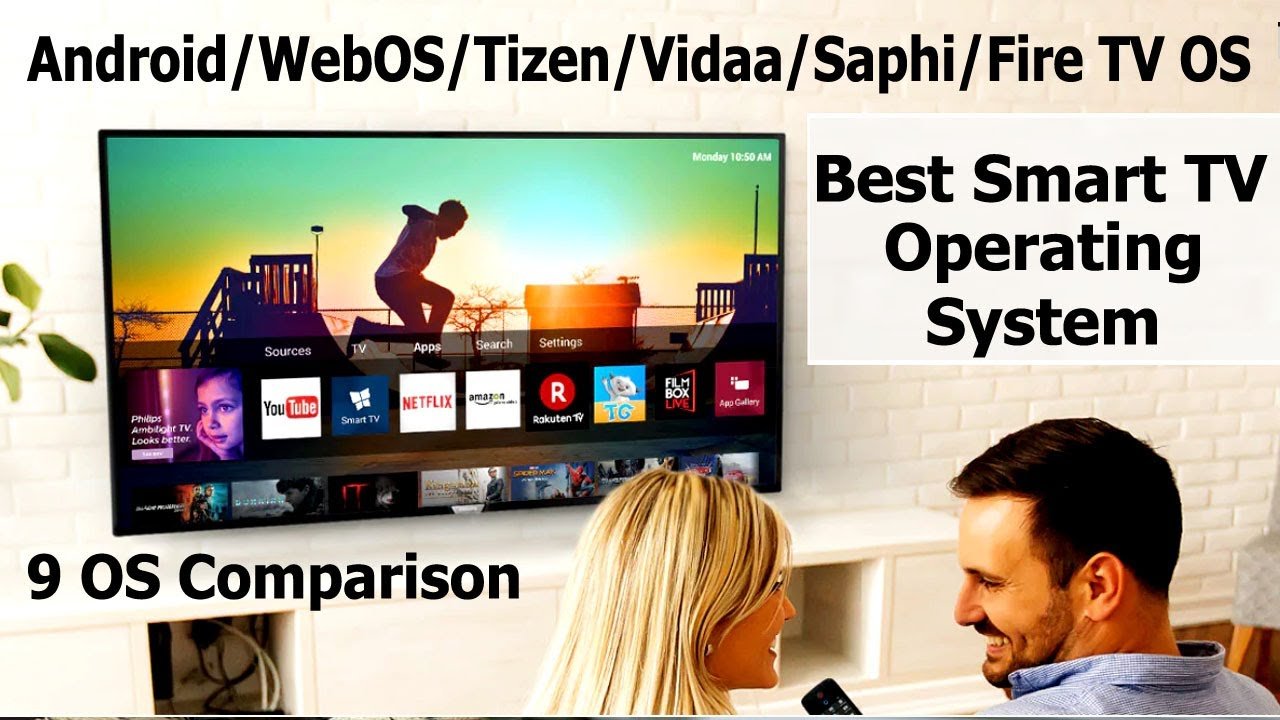
When buying a smart TV, most people focus on display quality—4K, OLED, QLED, HDR, and screen size. But one of the most important factors is often overlooked: the operating system (OS). Your TV’s OS controls everything from how apps open to how smoothly you switch between Netflix and YouTube. It affects speed, personalization, voice control, and even long-term updates.
So, which OS is best for TV? The honest answer is: it depends on your needs. Let’s explore the most popular TV operating systems and help you decide which one fits your lifestyle.
1. Google TV – Best Overall Experience
Google TV is currently one of the most advanced smart TV platforms. It builds on Android TV but focuses heavily on personalized recommendations and a modern interface.
It learns your viewing habits and suggests shows and movies from multiple streaming apps in one place. Instead of jumping between Netflix, Prime Video, or Disney+, Google TV organizes content neatly on your home screen.
Why people love it:
- Clean, modern interface
- Smart content recommendations
- Built-in Google Assistant
- Strong app ecosystem
It works especially well if you already use Android smartphones or Google services. The integration feels natural and seamless.
Best for: People who want a smart, organized, and content-focused TV experience.
2. Android TV – Best for Flexibility and Apps
Android TV has been around longer and powers TVs from brands like Sony, TCL, and Hisense.
It offers access to the Google Play Store, which means thousands of apps, games, and streaming platforms. If you enjoy customizing your device or installing extra apps, Android TV gives you more freedom than most systems.
Pros:
- Huge app library
- Chromecast built-in
- Voice control via Google Assistant
- Good gaming support
Cons:
- Interface can feel slightly cluttered
- Performance depends on TV hardware
Best for: Tech-savvy users who want more control and app variety.
3. Tizen OS – Best for Speed and Smooth Performance
Tizen OS is used exclusively in TVs from Samsung. It’s known for being fast, stable, and simple.
The interface is clean and easy to navigate. Apps open quickly, and switching between them feels smooth—even on mid-range TVs.
Pros:
- Very responsive
- Clean design
- Strong security
- Reliable performance
Cons:
- Smaller app ecosystem than Google platforms
- Limited customization
Samsung regularly updates Tizen, which helps keep the system secure and efficient.
Best for: Users who prioritize speed and smooth performance over deep customization.
4. webOS – Best for Ease of Use
webOS powers smart TVs from LG and is widely praised for its simplicity.
One of its standout features is the Magic Remote, which allows pointer-style navigation—similar to using a mouse on your TV screen. This makes browsing feel intuitive and fast.
Pros:
- Very user-friendly
- Smooth multitasking
- Clean and simple layout
- Good app availability
Cons:
- Fewer niche apps
- Limited deep customization
webOS is perfect for families or users who don’t want to deal with complicated settings.
Best for: Households that want a straightforward and comfortable TV experience.
5. Roku TV – Best for Simplicity and Budget Buyers
Roku TV is designed around streaming. It’s simple, practical, and easy to understand. Brands like TCL and Hisense often offer affordable TVs with Roku built in.
The interface is straightforward—apps are displayed in a grid format, making navigation extremely simple.
Pros:
- Very easy to use
- Excellent streaming support
- Affordable TV options
- Lightweight system
Cons:
- Basic interface
- Fewer advanced features
Best for: People who mainly stream and want an affordable, no-complication setup.
So, Which OS Is Truly the Best?
There’s no universal winner because every user is different. However, here’s a simple breakdown:
- Best overall smart features: Google TV
- Best for app lovers: Android TV
- Best for smooth performance: Tizen OS
- Best for ease of use: webOS
- Best for budget streaming: Roku TV
If you want the most advanced and future-ready system, Google TV often stands out in 2026. But if you value speed and reliability, Samsung’s Tizen or LG’s webOS may feel better.
FAQs About TV Operating Systems
1. Which TV OS has the most apps?
Android TV and Google TV offer the largest selection because they support the Google Play Store.
2. Is Google TV better than Android TV?
Google TV has a more refined interface and better content recommendations, but both share the same core app ecosystem.
3. Which OS is fastest?
Tizen OS and webOS are generally considered the smoothest and most responsive systems.
4. Can I change my TV’s operating system?
No, you cannot replace your TV’s built-in OS. However, you can connect streaming devices to access another platform.
5. Which OS is best for gaming?
Android TV and Google TV are better for gaming because they support more gaming apps and cloud gaming services.
6. Which TV OS is easiest for older users?
Roku TV and webOS are often recommended because they are simple and easy to navigate.
7. Do all smart TVs support Netflix and YouTube?
Most major TV operating systems support popular apps like Netflix and YouTube, but it’s always good to check before purchasing.
Final Thoughts
Choosing the best TV operating system isn’t about picking the most popular one—it’s about finding what suits your habits. If you love personalization and smart suggestions, Google TV may be ideal. If you prefer smooth performance, Tizen or webOS could be better. And if you just want simple streaming at a good price, Roku TV is hard to beat.

In a world where technology is constantly evolving, finding a reliable and easy-to-understand source of information can be a challenge. Many websites either use complicated language or provide outdated solutions that confuse users rather than helping them. This is where techgues com comes into the picture. It is an emerging platform that aims to simplify technology for everyday users by offering practical guides, tips, and solutions.
This article explores what techgues com is, what it offers, and why it is becoming increasingly popular among users looking for simple tech help.
What is Techgues com?
Techgues com is an online platform that provides technology-related content in a user-friendly format. It focuses on helping users solve common digital problems without overwhelming them with technical jargon.
The platform is especially useful for beginners and casual users who want quick solutions instead of detailed technical explanations. Whether it’s fixing a mobile issue, learning how to use an app, or understanding basic internet tools, techgues com aims to make things easier.
What Kind of Content Does Techgues com Offer?
One of the main reasons behind the growing interest in techgues com is its wide range of content. The platform typically covers:
1. How-To Guides
Step-by-step tutorials are one of its strongest features. These guides help users perform tasks like:
- Setting up apps
- Fixing common smartphone issues
- Managing online accounts
2. Tech Tips and Tricks
Users can find useful shortcuts and tips that make daily digital tasks faster and more efficient.
3. App and Mobile Solutions
Many people struggle with app-related problems. Techgues com provides simple solutions for issues related to Android apps, mobile settings, and usage.
4. Internet and Online Help
From managing emails to understanding online tools, the platform offers guidance on various internet-related topics.
Why Techgues com is Gaining Popularity
There are several reasons why more users are searching for techgues com:
Simple Language
The biggest advantage is its easy-to-understand writing style. Even users with no technical background can follow the instructions.
Practical Focus
Instead of long explanations, the platform focuses on solving real problems quickly.
Free Access
Most of the content is available without any cost, making it accessible to everyone.
Time-Saving
Users don’t have to go through lengthy articles. The content is usually direct and solution-oriented.
Who Should Use Techgues com?
Techgues com is ideal for:
- Beginners who are new to technology
- Students looking for quick help
- Smartphone users facing common issues
- Anyone who prefers simple, clear instructions
However, advanced users looking for deep technical knowledge might find the content a bit basic.
Benefits of Using Techgues com
Using a platform like techgues com comes with several benefits:
- Quick problem-solving: You can find answers without wasting time
- Easy navigation: Content is structured in a simple way
- Beginner-friendly: No need for prior technical knowledge
- Wide coverage: Multiple tech topics in one place
Things to Keep in Mind
While techgues com is helpful, users should keep a few things in mind:
- Always double-check sensitive information, especially related to security
- Avoid downloading files from unknown sources
- Make sure the article you are reading is up to date
Being cautious ensures a safer and better experience.
FAQs About Techgues com
1. What is techgues com mainly used for?
Techgues com is mainly used for finding simple guides, tips, and solutions to everyday technology problems.
2. Is techgues com suitable for beginners?
Yes, it is designed especially for beginners who need easy and clear explanations.
3. Do I need to pay to use techgues com?
No, the platform generally provides free content for its users.
4. Can I trust the information on techgues com?
Most of the information is helpful, but it’s always a good idea to verify important details from other reliable sources.
5. Does techgues com only focus on mobile issues?
No, it covers a variety of topics including apps, internet tools, and general tech tips.
6. Is techgues com updated regularly?
Like most tech websites, it aims to provide updated content, but users should still check the relevance of older articles.
7. Can advanced users benefit from techgues com?
Advanced users may find some useful tips, but the platform mainly targets basic to intermediate users.
8. How can I find the right guide on techgues com?
You can search using specific keywords related to your problem to get the most relevant results.
Conclusion
Techgues com is a helpful platform for anyone looking to simplify their digital life. Its focus on easy language, practical solutions, and user-friendly content makes it a valuable resource, especially for beginners and everyday users.
While it may not replace advanced technical websites, it serves as a reliable starting point for solving common tech problems. By using it wisely and staying cautious, users can make the most out of what techgues com has to offer.
Freedoor 2.4.6.8 is a lightweight proxy and tunneling tool designed to help users access restricted websites and route internet traffic through alternative paths. It’s especially popular among people who prefer simple tools that don’t require complex setup or heavy system resources. If you’re looking for a clear and reliable way to install Freedoor 2.4.6.8, this guide walks you through everything—from preparation to installation and basic troubleshooting.
What Is Freedoor 2.4.6.8?
Freedoor is not a full VPN but rather a proxy-based application that connects your system to external nodes, allowing you to bypass network restrictions. Version 2.4.6.8 is widely used because it’s stable, small in size, and works on older as well as newer Windows systems. It’s particularly useful in environments where traditional VPN services may not function properly.
System Requirements
Before installing Freedoor, make sure your system meets basic requirements:
- Operating System: Windows XP, 7, 8, 10, or 11
- RAM: At least 512 MB (1 GB recommended)
- Storage: Less than 100 MB free space
- Internet Connection: Stable connection required
Although Freedoor can sometimes be run on macOS or Linux using compatibility tools, this guide focuses on Windows since it’s the most commonly supported platform.
Before You Start
Taking a few precautions will help ensure a smooth installation:
1. Download from a Trusted Source
Always download Freedoor 2.4.6.8 from a reliable website. Avoid unknown or suspicious links, as modified versions may contain malware.
2. Disable Antivirus Temporarily
Some antivirus programs may flag Freedoor as suspicious because of its proxy behavior. Temporarily disabling your antivirus during installation can prevent interruptions (just remember to re-enable it afterward).
3. Create a Restore Point
It’s good practice to create a system restore point before installing any new software. This allows you to revert changes if something goes wrong.
Step-by-Step Installation Guide
Follow these steps carefully to install Freedoor 2.4.6.8:
Step 1: Locate the Downloaded File
After downloading, go to your Downloads folder and find the Freedoor file. It may come in one of two formats:
- .exe installer file
- .zip archive file
Step 2: Extract (If ZIP File)
If the file is compressed:
- Right-click the ZIP file
- Select Extract All
- Choose a destination folder
Once extracted, open the folder to access the main executable file.
Step 3: Run as Administrator
- Right-click the Freedoor executable file
- Click Run as Administrator
This step is important because the software may need permission to modify network settings.
Step 4: Follow Installation Instructions
If you’re using an installer:
- Accept the license agreement
- Choose the installation location (default is fine)
- Click Install
If it’s a portable version, no installation wizard will appear—just launching the program is enough.
Step 5: Launch Freedoor
After installation:
- Open the program from the desktop shortcut or folder
- Wait for it to initialize
Freedoor may automatically attempt to connect to its network.
Step 6: Configure Browser (If Needed)
In most cases, Freedoor automatically sets your system proxy. If it doesn’t:
- Open your browser settings
- Go to Network/Proxy Settings
- Set proxy to: 127.0.0.1
- Port: 8580 (or as specified by Freedoor)
How to Check If It’s Working
To confirm Freedoor is working properly:
- Open a website that was previously restricted
- Check if it loads successfully
- You can also search “What is my IP” to see if your IP address has changed
Common Issues and Fixes
Even with proper installation, you might run into some problems. Here’s how to fix them:
1. Program Won’t Open
- Run as administrator
- Re-download the file (it may be corrupted)
2. Connection Fails
- Check your internet connection
- Disable other VPNs or proxies
- Restart the application
3. Antivirus Blocking
- Add Freedoor to your antivirus exception list
- Re-enable antivirus after installation
4. Slow Speed
- Proxy tools can sometimes be slower than direct connections
- Try reconnecting or restarting the software
Is Freedoor Safe to Use?
Freedoor can be useful, but you should use it with caution:
- It is not as secure as premium VPN services
- Always download from trusted sources
- Avoid entering sensitive information while connected
Because it routes your traffic through external servers, you should be mindful of privacy risks.
Tips for Better Performance
- Close unnecessary background apps
- Use a stable internet connection
- Restart Freedoor periodically
- Keep your system updated
These small steps can improve both speed and reliability.
FAQs
1. Is Freedoor 2.4.6.8 free to use?
Yes, Freedoor is generally free and does not require a subscription.
2. Can beginners install Freedoor easily?
Yes, the process is simple. Most users can install it in a few minutes by following basic steps.
3. Does Freedoor work like a VPN?
Not exactly. It’s a proxy-based tool, not a full VPN, so it may not offer the same level of privacy or encryption.
4. Why is my antivirus flagging Freedoor?
Because it modifies network routing, some antivirus programs consider it suspicious. This doesn’t always mean it’s harmful, but caution is advised.
5. Can I use Freedoor on mobile devices?
Freedoor is mainly designed for desktop systems. It does not have an official mobile version.
Conclusion
Installing Freedoor 2.4.6.8 is straightforward, even if you’re not very tech-savvy. By following the steps above—downloading from a trusted source, running the installer correctly, and configuring your browser—you can get it up and running in minutes. While it’s a helpful tool for bypassing restrictions, always use it responsibly and stay aware of its limitations in terms of security and privacy.

In the ever-evolving world of online communities, anonymous image boards have carved out a unique space. One name that often comes up in discussions is Anonib.to. Whether you’ve heard about it through online forums or social media, it’s important to understand what the platform is, how it operates, and the potential risks associated with using it.
What Is Anonib.to?
Anonib.to is an anonymous image board website where users can post and view images without revealing their identity. Like other image boards, it is structured into different categories or threads, often organized by topics, interests, or geographic locations.
The defining feature of such platforms is anonymity. Users don’t need to create an account or provide personal details to participate. This can encourage open sharing, but it also creates challenges in moderation and accountability.
How Does It Work?
Anonib.to functions similarly to traditional image boards:
- Anonymous Posting: Users can upload images and add comments without registering.
- Thread-Based Discussions: Content is grouped into threads where others can reply.
- Minimal Moderation: Compared to mainstream social platforms, moderation may be limited.
- User-Driven Content: Everything posted is generated by users, not curated by the platform.
Because there’s little barrier to entry, content can spread quickly, and discussions can become active in a short time.
Why Do People Use Anonib.to?
There are several reasons why users are drawn to anonymous platforms like Anonib:
- Privacy: Users can share thoughts or content without attaching their real identity.
- Freedom of Expression: Some feel more comfortable discussing controversial or personal topics anonymously.
- Community Interaction: Niche communities often form around specific interests.
- Curiosity: Many users visit simply to explore or observe discussions.
While these factors may seem appealing, they come with important caveats.
Risks and Concerns
Using or even browsing sites like Anonib.to carries several risks:
1. Privacy Violations
Anonymous platforms can sometimes host content that is shared without consent. This raises serious ethical and legal concerns.
2. Legal Issues
Depending on the type of content shared, both the uploader and, in some cases, viewers could face legal consequences.
3. Lack of Moderation
Limited oversight means harmful, offensive, or illegal content may remain visible longer than it would on regulated platforms.
4. Security Risks
Some anonymous sites may expose users to malware, phishing attempts, or malicious links.
5. Reputation Damage
If personal or sensitive content is shared, it can have long-lasting impacts on individuals’ lives and reputations.
Is Anonib.to Safe to Use?
Safety largely depends on how you interact with the platform. Simply visiting may carry fewer risks than actively participating, but even browsing can expose you to harmful content or security threats.
If you choose to access such platforms:
- Avoid clicking unknown links
- Do not upload personal or sensitive content
- Use strong cybersecurity practices (VPNs, antivirus tools)
- Be aware of the legal implications in your country
Ethical Considerations
It’s crucial to consider the ethical side of anonymous platforms. While anonymity can empower free speech, it can also enable harmful behavior. Respecting others’ privacy and consent should always be a priority.
Engaging responsibly online means:
- Not sharing private images without permission
- Reporting harmful or illegal content where possible
- Avoiding participation in exploitative discussions
Alternatives to Anonymous Image Boards
If you’re looking for safer ways to engage in online communities, there are moderated platforms that offer similar interaction without the same level of risk:
- Forums with active moderation
- Social media groups with clear guidelines
- Content-sharing platforms with reporting systems
These alternatives balance freedom of expression with user safety.
FAQs About Anonib.to
1. Is Anonib.to legal?
The legality of Anonib.to depends on how it is used and the laws in your country. While anonymous browsing itself may not be illegal, sharing or viewing certain types of content could be.
2. Do I need an account to use Anonib.to?
No, the platform typically allows users to post and view content without registering, which is part of its anonymous nature.
3. Can content posted on Anonib.to be removed?
Content removal can be difficult due to limited moderation. In some cases, legal action or reporting to hosting providers may be required.
4. Is my identity محفوظ (safe) on Anonib.to?
Not entirely. While the platform promotes anonymity, your IP address and browsing activity can still potentially be tracked by third parties or authorities.
5. Why is Anonib.to controversial?
It has gained controversy due to reports of non-consensual content sharing and lack of effective moderation.
6. Can I get in trouble for using it?
If you engage in illegal activities or interact with prohibited content, you could face legal consequences depending on local laws.
7. Are there safer alternatives?
Yes, many moderated platforms provide similar community experiences with better safety measures and content controls.
Final Thoughts
Anonib.to represents a broader category of anonymous online spaces that offer both freedom and risk. While the appeal of anonymity is strong, users must approach such platforms with caution and responsibility. Understanding how these sites work—and the potential consequences of using them—can help you make informed decisions and stay safe online.
Provascin: Uses, Benefits, Ingredients, Side Effects, and Everything

SEO in 2026: Complete Guide to Ranking Websites, Pricing & Real Strategies


